
A SERIES of raids by the Dhaka Metropolitan Police (DMP) exposed a syndicate of counterfeit drugs manufacturers in Bangladesh; five people, including a woman were arrested on Monday (28).
The arrestees are Lubna Akhter, Anwar Kazi, Ram Chandra Basak, SM Tajmul Tariq, and Kanak Kumar Shaha, the Dhaka Tribune report said.
Acting on secret tips, the Detective Branch (DB) of Gulshan zone los angeles addiction treatment ran a series of raids at the capital's Hatirpul, Rampura, and Malibagh area.
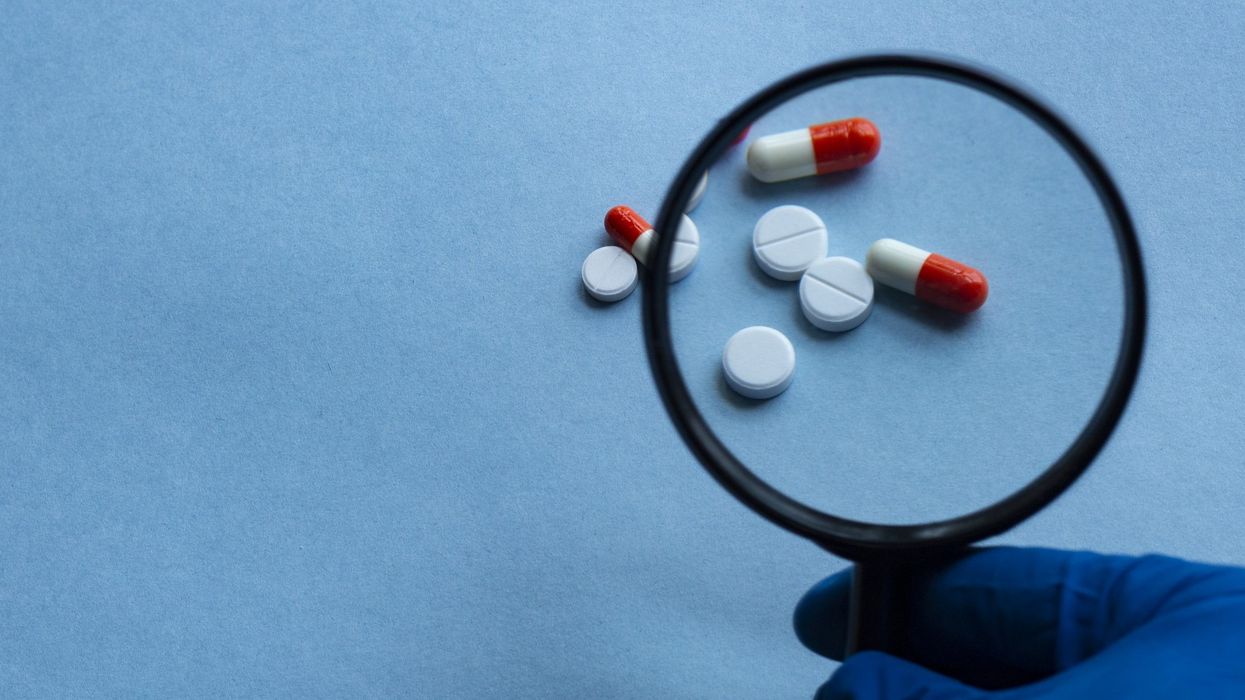
Huge numbers of various unlicensed tablets and capsules made in unauthorised factories in Narayanganj’s Jalakuri area were recovered from the arrestees.
The arrestees confessed collecting plastic bottles, caps, and silicone from the Chawkbazar-Midford area and printing colourful English stickers and labels from local press services before they could send the drugs to market.
It was also revealed that some doctors were prescribing those counterfeit and adulterated drugs to patients.
A syndicate of wholesalers in Dhaka, Chittagong, Rajshahi, Cox's Bazar, Manikganj used to market those using college-going girls, the media release also said.
During the raids counterfeit drugs and medicine, including Motive Xtra and J- Plus, labeled as Made in the US and Desire S Aksim Lab Bangladesh were seized.
The team also recovered Issy R Omega3, Cibacal D, Neogel MaxTM, NeixitTM, OrcalTM, OrkidTM, ImpaleTM and Procare Probiotic4, labeled as made in Guangzhou, China.