PHARMA giant AstraZeneca Plc on Tuesday (8) said it has paused global trials, including large late-stage trials, of its experimental coronavirus vaccine because of an unexplained illness in a study participant.
The vaccine, developed with the University of Oxford, has been widely seen as one of the leading global candidates against the coronavirus, and the suspension of the trial dims prospects for a potential year-end rollout its lead developer had signaled earlier.
AstraZeneca said it voluntarily paused trials to allow review of safety data by an independent committee and was working to expedite the review of the single event to minimise any potential impact on the trial timeline.
"This is a routine action which has to happen whenever there is a potentially unexplained illness in one of the trials," the company said.
The nature of the illness and when it happened were not detailed, although the participant is expected to recover, according to Stat News, which first reported the suspension due to a "suspected serious adverse reaction".
The US Food and Drug Administration defines an adverse event as one in which evidence suggests a possible relationship to the drug being tested.
According to a New York Times report which cited a person familiar with the situation, a participant based in the UK was found to have transverse myelitis, an inflammatory syndrome that affects the spinal cord and is often sparked by viral infections.
Whether the illness was directly linked to AstraZeneca's vaccine remains unclear, the report said. The company declined to comment on the report.
The suspension of the trial has impacted other AstraZeneca vaccine trials -- as well as clinical trials being conducted by other vaccine makers, which are looking for signs of similar reactions, Stat said.
Health Secretary Matt Hancock said AstraZeneca's decision to pause trials was "obviously a challenge", adding that it was "not actually the first time this has happened to the Oxford vaccine".
Asked whether the halt would set back the vaccine development process, he told Sky News: "Not necessarily, it depends on what they find when they do the investigation."
The US National Institutes of Health, which is providing funding for AstraZeneca's trial, declined to comment.
AstraZeneca's statement said that "in large trials, illnesses will happen by chance but must be independently reviewed to check this carefully".
Trials of the vaccine, called AZD1222, are underway at different stages in Britain, the US, Brazil, South Africa and India. Trials are also planned in Japan and Russia.
AstraZeneca's shares fell more than 8 per cent in after-hours US trading, while shares in rival vaccine developer Moderna Inc rose more than 4 per cent. Shares in AstraZeneca's Indian unit, AstraZeneca Pharma India Ltd, tumbled more than 12 per cent.
Moderna said it was "not aware of any impact" to its ongoing Covid-19 vaccine study at this time.
Nine leading US and European vaccine developers pledged on Tuesday to uphold scientific safety and efficacy standards for their experimental vaccines despite the urgency to contain the coronavirus pandemic.
The companies, including AstraZeneca, Moderna and Pfizer, issued what they called a "historic pledge" after a rise in concern that safety standards might slip in the face of political pressure to rush out a vaccine.
The companies said they would "uphold the integrity of the scientific process as they work towards potential global regulatory filings and approvals of the first Covid-19 vaccines."
The other signatories were Johnson & Johnson, Merck & Co, GlaxoSmithKline, Novavax Inc, Sanofi and BioNTech.






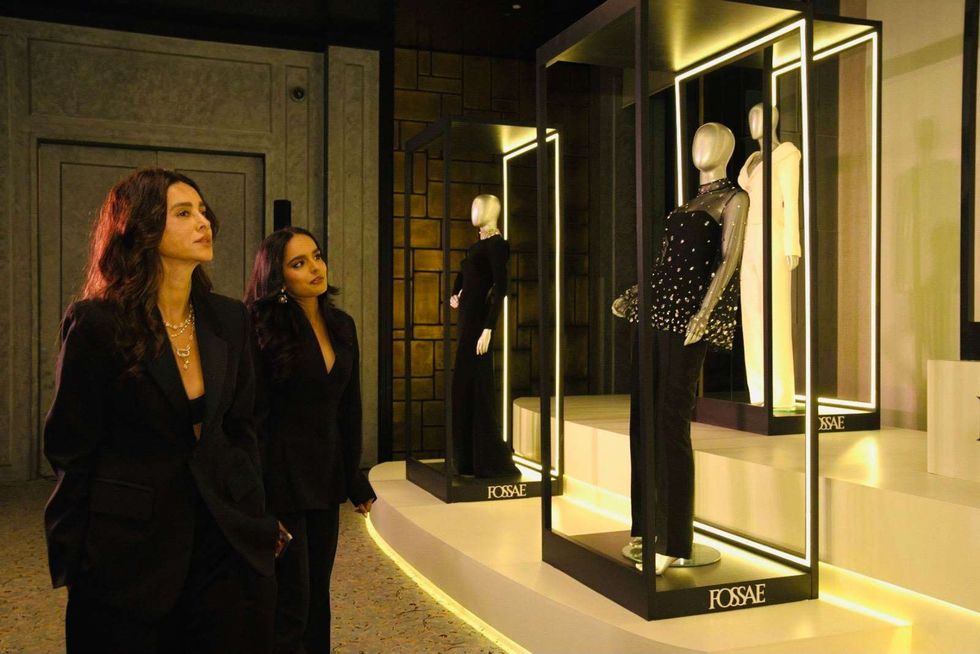 FOSSAE LaunchEastern Eye
 Unnati with father Rakesh K ShuklaEastern Eye
 FOSSAE LaunchEastern Eye
 FOSSAE LaunchEastern Eye