
A PROPOSED law allowing terminally ill adults to choose assisted dying has been published, detailing safeguards that require mandatory approvals from doctors and a judge to address concerns over potential misuse.
Lawmakers in Britain will vote on the proposal on November 29, nearly a decade after an earlier attempt to legalise assisted dying was rejected.
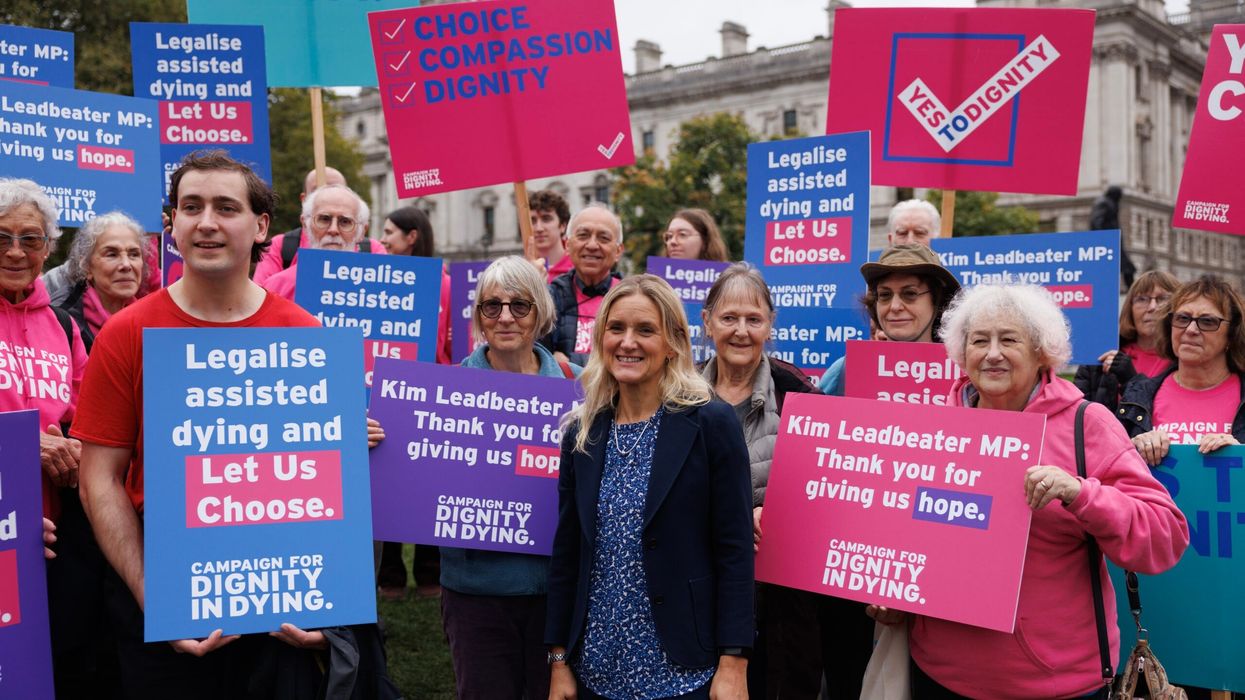
The proposal, introduced by Labour lawmaker Kim Leadbeater, has stirred debate within the Labour Party and among the public. Leadbeater described the proposal as "very robust," with multiple safeguards to protect vulnerable individuals who might otherwise feel pressured. Critics worry that legalising assisted dying could create undue influence for some to end their lives.
Under the proposed law, only mentally competent adults with a terminal illness and a prognosis of six months or less would qualify. Additional safeguards require confirmation from two doctors, who would verify the patient’s eligibility and absence of external pressure on two occasions, seven days apart. A judge would also consult one of the doctors before a required 14-day reflection period.
"This is just for terminally ill adults. It's not for anybody else. It's for people who are dying, and it is about shortening death rather than ending life," Leadbeater told BBC Radio.
The bill would criminalise coercion or pressure on someone to pursue assisted dying, with violators facing up to 14 years in prison.
Currently, assisting suicide in Britain carries a penalty of up to 14 years in prison. Leadbeater argues that public opinion on assisted dying has shifted significantly over the past decade, making it timely to reconsider the law. Advocates point out that the UK is lagging behind other nations, including Australia, Canada, New Zealand, several US states, as well as long-standing laws in Switzerland and the Netherlands.
Keir Starmer has stated that lawmakers will have a free vote, allowing them to act according to their conscience rather than party lines. While Starmer has previously supported changing the law, health minister Wes Streeting has said he opposes it.
If the bill, formally titled the Terminally Ill Adults (End of Life) Members Bill, passes an initial vote, it will undergo further scrutiny, requiring additional approvals from both the House of Commons and the House of Lords.
In 2015, British lawmakers rejected similar legislation, voting 330 to 118 against a second reading to legalise assisted dying.
(With inputs from Reuters)