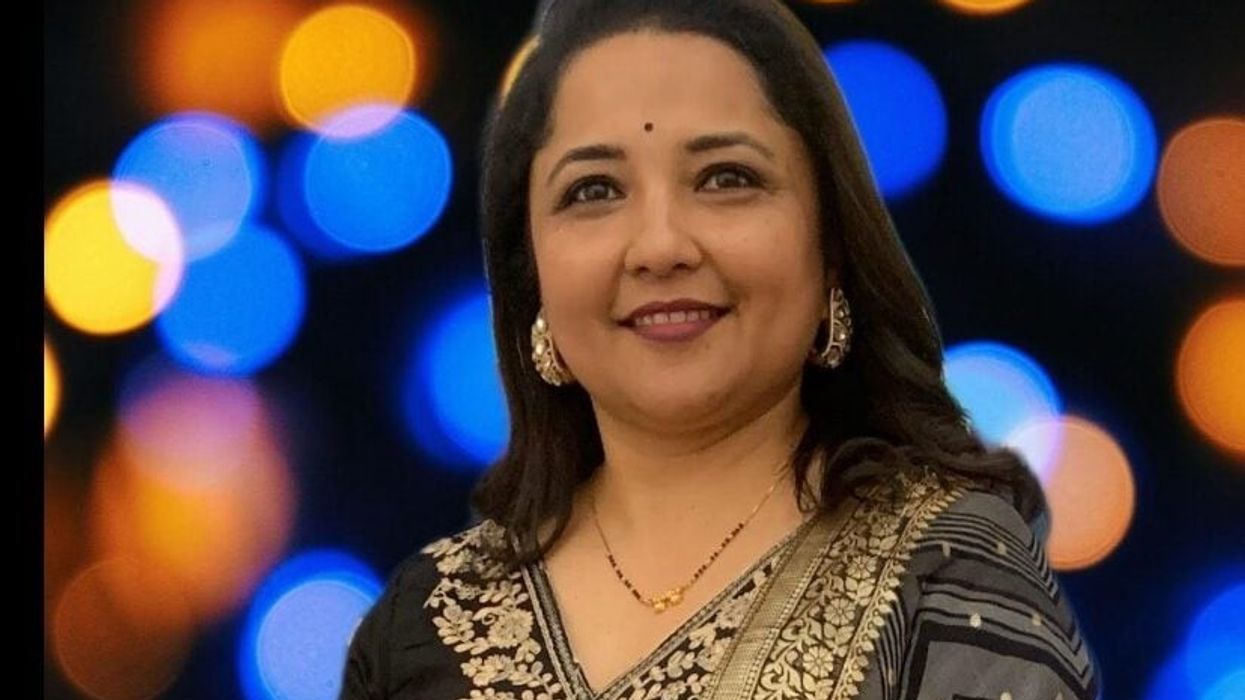

TEACHING plays a central role in the life of acclaimed dancer and choreographer Ashwini Kalsekar.
As the artistic director of the Kathak institute Kirti Kala Mandir UK, she draws on more than 25 years of experience to preserve and promote classical Indian dance through classes for all ages across London. She empowers and inspires dancers while celebrating cultural heritage and artistic expression. Her students’ annual showcase, Dharohar, will take place at the Bhavan in London next Sunday (8).
Eastern Eye spoke to the Kathak maestro about the forthcoming event, her journey, and the importance of teaching and live performance.
How do you reflect on your classical Indian dance journey?
For me, classical Indian dance is more than a journey – it’s an ongoing process. Since I was young, I’ve felt deeply connected to this art form. Its purity and calmness bring me peace and stimulate my soul and spirit. Dance has shaped and fulfilled me, providing a lifelong, soulful experience that makes me feel whole as an Indian classical dancer.
How important is the teaching aspect for you personally?
Teaching is essential to me as an Indian classical dancer. It’s not just about sharing technique but also the discipline, spirituality, and depth of the art. Teaching helps preserve tradition and inspire new dancers while deepening my own connection to Kathak. Each student brings unique energy, and guiding them makes the process even more meaningful and fulfilling.
Tell us about your forthcoming Dharohar event.
Dharohar, which means heritage, is our annual showcase at the Bhavan next Sunday (8). It celebrates the creativity, dedication, and artistry of our students while connecting tradition with the present through powerful performances.
How will you select the performances for the show?
We choose performances carefully, focusing on each student’s strengths, talents and growth. The pieces reflect technical mastery and artistic expression, balancing traditional and innovative elements. The goal is to create a diverse representation of classical forms, ensuring the performances honour Indian dance heritage while resonating with the show’s theme of cultural legacy and artistic depth.
What do you admire the most about your students?
I admire their dedication and commitment to learning, especially as they balance school, university, or work with their passion for dance. They adjust their routines and prioritise rehearsals with devotion. Seeing them integrate Indian classical dance into their lives fills me with pride as their Guru. It reassures me that this art form is rooted in their hearts and will continue through them for generations.
How important is it to support the next generation of dancers?
Supporting young dancers is vital to preserving and evolving Indian classical dance. By nurturing their talent, we ensure this cultural heritage remains vibrant and relevant. Guiding them instils discipline, creativity, and a deep appreciation for tradition, empowering them to become ambassadors of this timeless art for future generations.
What was your own experience of learning from dance teachers?
I learned Kathak under my mother, Guru Rekha Nadgauda, for 17 wonderful years, which gave me a strong foundation and deep love for the art. Later, studying under Vidushi Shama Bhate for my MA in Pune pushed me out of my comfort zone, challenging and broadening my understanding. These invaluable experiences deepened my technique, appreciation for Kathak’s nuances, and dedication to clarity and simplicity.
What advice would you give those who are learning classical Indian dance?
Don’t compare yourself to others. Success comes from dedication, hard work, patience, and regular riyaz (practice). Embrace mistakes as part of the journey – they are valuable for growth. Stay focused, keep learning with love, and trust in the process.
What, in your opinion, is the secret to a great performance?
The key is connection. Even in a solo performance, involve the audience as part of the experience. Dance is about savouring every movement, not rushing to the end. Let the audience feel the music through you – make it visible as you embody it.
Finally, why should we attend your annual showcase?
Join us for an inspiring evening celebrating the artistry and dedication of emerging dancers. These young talents have worked tirelessly to perfect their craft, and your support will mean the world to them. Experience the magic of Kathak as music and movement become one, and be part of a community that nurtures the future of this beautiful classical art form.
Dharohar is at the Bhavan, 4A Castletown Road, London W14 9HE next Sunday (8). www. bhavan.net and Instagram: @ Kathak ashwini