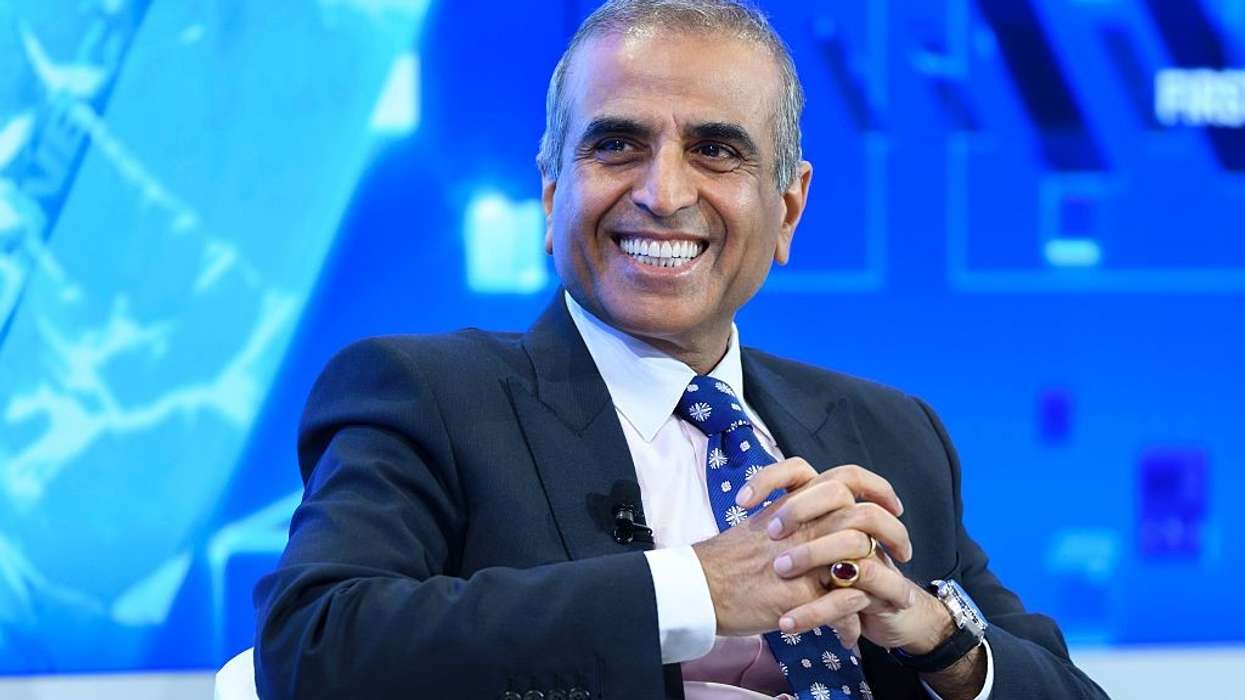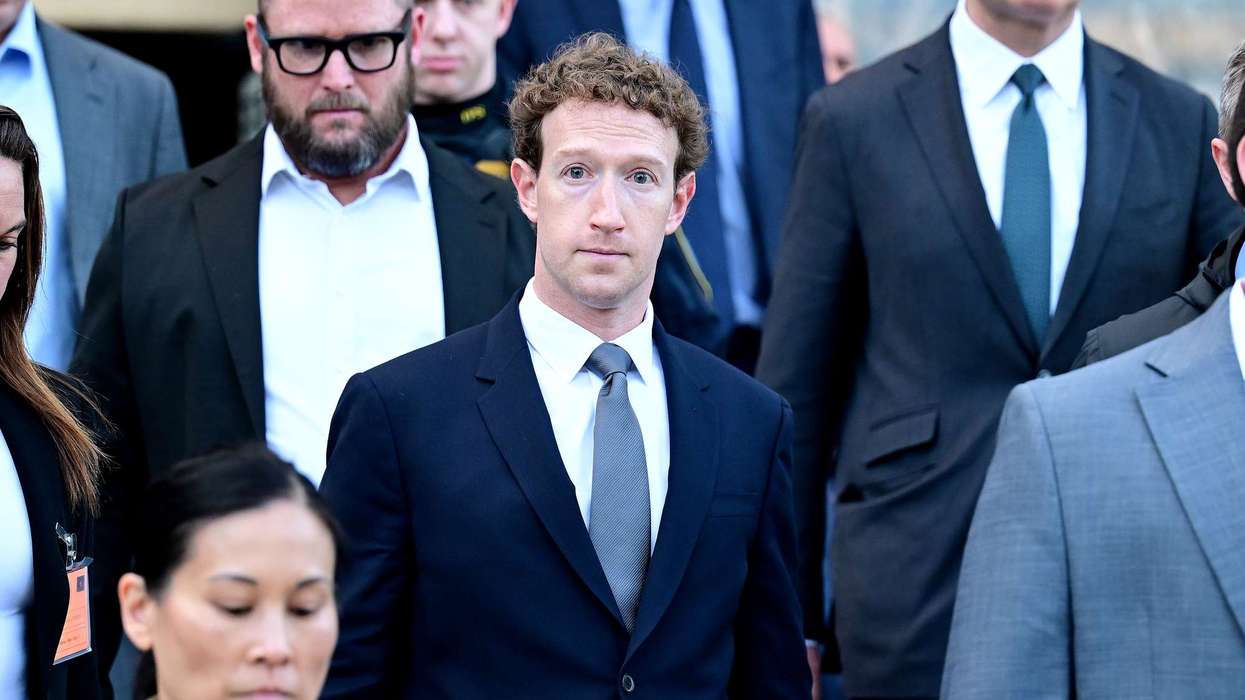

- A Meta whistleblower says he raised concerns about harm to children directly with Mark Zuckerberg.
- He estimated he spoke to the Meta chief executive at least 100 times during his work at the company.
- The US states bringing the case are seeking damages of up to $200 billion and changes to Meta’s platforms.
Meta's public promise to protect young users is facing scrutiny in a US courtroom after a former safety engineer told jurors he repeatedly warned the company about harmful content reaching children.
Arturo Béjar, a former Meta safety engineer, testified that he raised concerns with senior executives, including chief executive Mark Zuckerberg, about the problems children were experiencing on Facebook and Instagram.
Béjar said his work regularly involved briefing Zuckerberg on product issues and estimated that he had spoken to the chief executive at least 100 times.
He also sent Zuckerberg an email in 2021 warning about reports of harmful content and damage to teenage wellbeing on the platforms.
Béjar told the court he contacted Zuckerberg because he believed that when the chief executive made an issue a priority, “mountains move”.
But when asked whether Zuckerberg ever responded to his warning, Béjar replied: “No. I didn’t hear back from him.”
The testimony forms part of a major federal trial in Oakland, California, brought by 29 US state attorneys general against Meta.
The states accuse the company of deliberately designing Facebook and Instagram in ways that encourage addictive use among children and teenagers, while also alleging that Meta collected data from children under 13 without the required parental permission.
Meta denies the allegations.
What Meta was allegedly warned about
Béjar's testimony focused on the kinds of experiences children were having on Meta's platforms and what the company allegedly knew about them.
He told jurors that Meta's recommendation systems could push young users towards content from sexual predators, as well as violent and graphic material.
He said he repeatedly raised concerns about the impact of these experiences on teenagers' wellbeing but believed the company did not do enough to address them.
Béjar described Meta's approach to child safety as a “don’t ask, don’t tell” strategy, arguing that the company had information about the problems but did not properly act on it.
He also pointed to features such as infinite scroll, which he said had been beneficial to Meta because they encouraged people to remain on its platforms for longer.
That is important to the wider case because the states are not simply arguing that harmful material exists on Facebook and Instagram. They are challenging the way the products themselves are designed and how their algorithms recommend content.
California deputy attorney general Megan O’Neill reportedly told jurors during opening arguments that protecting children's health and wellbeing was a shared responsibility, but claimed Meta had failed to do its part.
Meta says it has already taken action
Meta has rejected the allegations and told the court that there is no dispute that some people struggle with social media, but said it has introduced tools to address those problems.
The company also pointed out that children under 13 are not permitted to create accounts on its platforms and said it has disabled more than one million accounts belonging to users below that age.
Meta's lawyer Paul Schmidt reportedly argued that the company has been taking steps to address concerns around young users rather than deliberately designing products to harm them.
The trial is expected to last at least six weeks and is set to hear evidence from Zuckerberg, Instagram chief Adam Mosseri, Meta executives and experts on children's mental health and addiction.
Millions of pages of internal documents and emails are also expected to feature during the proceedings.
The financial stakes are considerable. The states could seek as much as $200 billion in damages if Meta is found liable, while they are also asking the court to force changes to the way its platforms operate.
That could prove more significant for Meta than the financial penalty itself.
The company's advertising business depends heavily on people spending time on Facebook and Instagram. Changes to recommendation systems, notifications, infinite scrolling or other engagement-focused features could therefore affect how the platforms work and how much time users spend on them.
For now, Béjar's testimony presents the jury with a direct challenge to Meta's public position: if child safety was a priority, what happened when the company's own safety engineer says he raised serious concerns directly with its chief executive?