
Highlights:
- Chinese singer-actor Zhang Yiyang was executed by firing squad in December 2024.
- He was convicted of murdering his 16-year-old girlfriend in 2022.
- Authorities confirmed he lured her to a remote forest and fatally stabbed her.
- Public anger continues over the release of his posthumous film in March 2025.
Zhang Yiyang, a 33-year-old Chinese singer and television actor, was executed by firing squad in December 2024 after being convicted of the brutal murder of his 16-year-old girlfriend. The Xianyang Intermediate People’s Court in Shaanxi province confirmed the execution, making Zhang the first known figure from China’s entertainment industry to receive the death penalty.
The crime, which occurred in February 2022, involved a premeditated attack that left the nation stunned. The court found Zhang guilty of luring the teenager, identified only by her surname Zhang, to a secluded forest in Xingping City under the pretext of celebrating his birthday. There, following an argument, he fatally stabbed her in the neck with a folding knife.
 Chinese singer Zhang Yiyang executed for murdering teenage girlfriend, public backlash grows over film released after death Screengrab/K-Sélection
Why was Zhang Yiyang sentenced to death?
According to court documents and multiple Chinese media reports, Zhang reacted violently when the teenage girl tried to end their relationship. He had reportedly displayed signs of emotional instability, including threatening suicide to manipulate her into staying with him. On the day of the murder, after stabbing her, Zhang attempted to disguise the crime as a suicide.
Authorities later discovered that he returned home, disposed of her mobile phone and his bloodstained clothes in a nearby reservoir, and checked into a hotel. There, he attempted to end his own life but was found by hotel staff and taken to hospital. His arrest soon followed.
The autopsy confirmed that the victim died from mechanical asphyxiation caused by deep neck wounds. The severity and planning behind the act led prosecutors to pursue a charge of intentional homicide, which carries the maximum penalty under Chinese law.
What made Zhang’s case stand out in China?
Zhang’s execution has been viewed as unprecedented in the context of China’s entertainment industry. While capital punishment is still enforced in China for violent crimes, it is rare for a public figure to receive such a sentence.
At the time of his arrest, Zhang had a modest but growing presence in Chinese pop culture. He had appeared in web dramas and music shows and was seen as an emerging talent. The trial became a subject of intense public debate, not only for its gruesome details but also for what it revealed about toxic relationships, mental health, and manipulation.
 Chinese singer Zhang Yiyang executed for murdering teenage girlfriend, public backlash grows over film released after death Screengrab/KBIZoom
Why are people upset about Zhang Yiyang’s posthumous film?
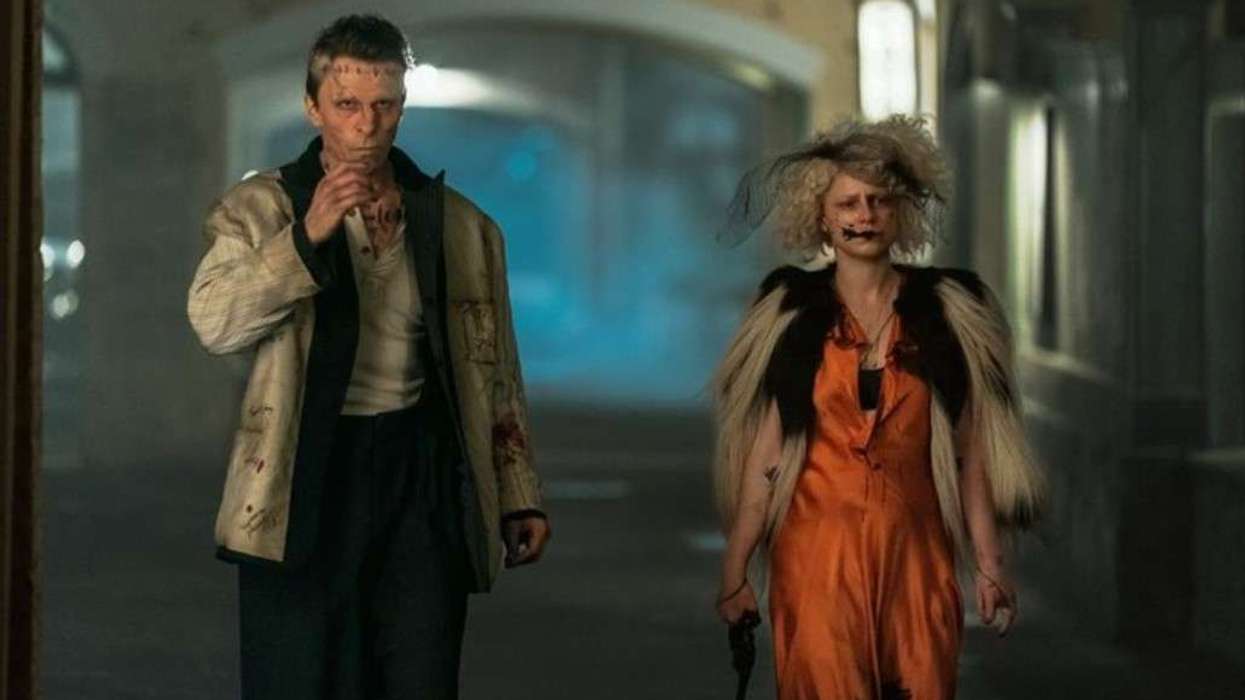
The controversy intensified in March 2025 when Jieyou Sound Hall (also referred to as The Sound of Music), a film starring Zhang, was released after his execution. Critics have questioned the decision to distribute the film despite his criminal conviction and public outrage. Social media users expressed anger that Zhang was still being “memorialised” on screen, while the victim's identity and memory remained largely protected due to Chinese legal protocols around underage victims.
Calls have grown for stricter industry regulations and moral vetting of performers, particularly in the wake of criminal charges. Some argue that streaming platforms and production companies must be held accountable for promoting or releasing work involving convicted individuals, regardless of their status.
What does this mean for the Chinese entertainment industry?
The case has triggered a wider conversation about celebrity conduct, justice, and the limits of forgiveness in public life. Legal analysts note that Zhang’s execution reinforces China's zero-tolerance approach to crimes involving minors and premeditated violence. The case may also influence how the entertainment industry handles posthumous releases and addresses the mental wellbeing of its artists.
As the debate continues, Zhang Yiyang’s name remains a grim reminder of the dangers of unchecked aggression and manipulation, and the ultimate consequences under Chinese law.