
Highlights
- Six payments made over five years for Lee Kun-hee's estate.
- Payment equals 1.5 times country's total 2024 inheritance tax revenue.
- 23,000 artworks given to museums instead of international auction.
The bill came from the estate left by Lee Kun-hee, who died in October 2020. The former Samsung chairman left behind wealth valued at £ 15.1 billion, made up of company shares, property and large art collections.
South Korea charges inheritance tax at 50 percent, among the steepest rates anywhere in the world.
The family said when Lee Kun-hee died that "paying taxes is a natural duty of citizens".
Investors watched how the family handled the tax bill carefully, worried it might stop the Lee family from keeping control of Samsung, South Korea's biggest chaebol or family-owned business group.
Art donation choice
A major part of Lee Kun-hee's estate was an art collection worth up to $2.7 billion. Instead of sending the artworks to auction houses abroad, the Lee family donated all 23,000 pieces to public museums across South Korea.
The art community valued the collection at up to £ 5.8 billion when the donation was made. The works included some of the most recognised names in art history.
Claude Monet's Water Lily Pond was among them, as were Marc Chagall's Red Bouquet With Lovers, Salvador Dali's Family of Marsupial Centaurs and pieces by Pablo Picasso and Paul Gauguin.
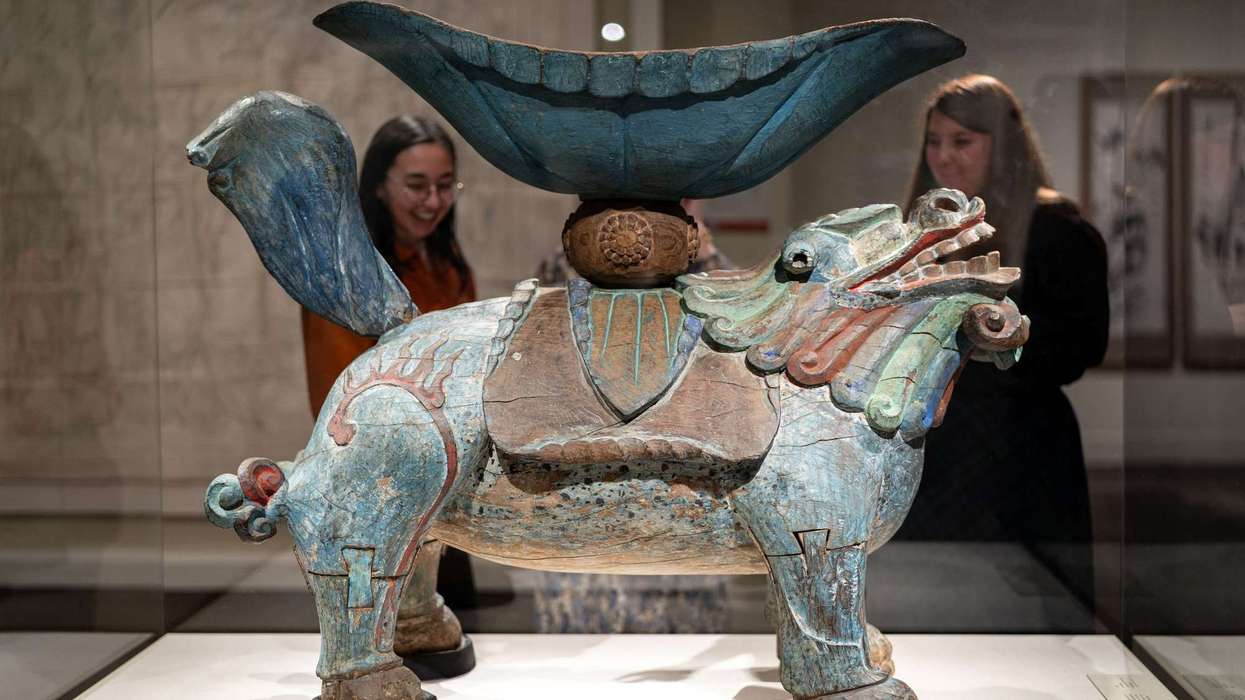 Thirty works were designated Korean National Treasures, spanning paintings, ceramics, calligraphy, Buddhist sculptures and manuscriptsColleen J. Dugan/National Museum of Asian Art, Smithsonian Institution
Thirty works in the collection had been given the status of Korean National Treasures. These covered a wide range, from paintings and ceramics to calligraphy, Buddhist sculptures and historical manuscripts.
A further 1,488 modern and contemporary works were shared between the National Museum of Modern and Contemporary Art and five regional galleries, including museums in Jeju, Gwangju and Daegu.
The National Museum of Modern and Contemporary Art said the donation was the largest it had ever received from a private individual or family.
The choice to donate was not straightforward. South Korean law does not allow artworks to be used directly to pay inheritance tax. Only real estate and securities are accepted for that purpose.
Reforms after 2020 allowed artworks to be accepted in some cases, but strict conditions and limited incentives still apply.
As a result, heirs facing high taxes often sell valuable artworks rather than donate them, which can affect the preservation of the country’s cultural heritage.
This had created genuine concern that the family would have no option but to sell the collection to overseas buyers to raise the money needed.
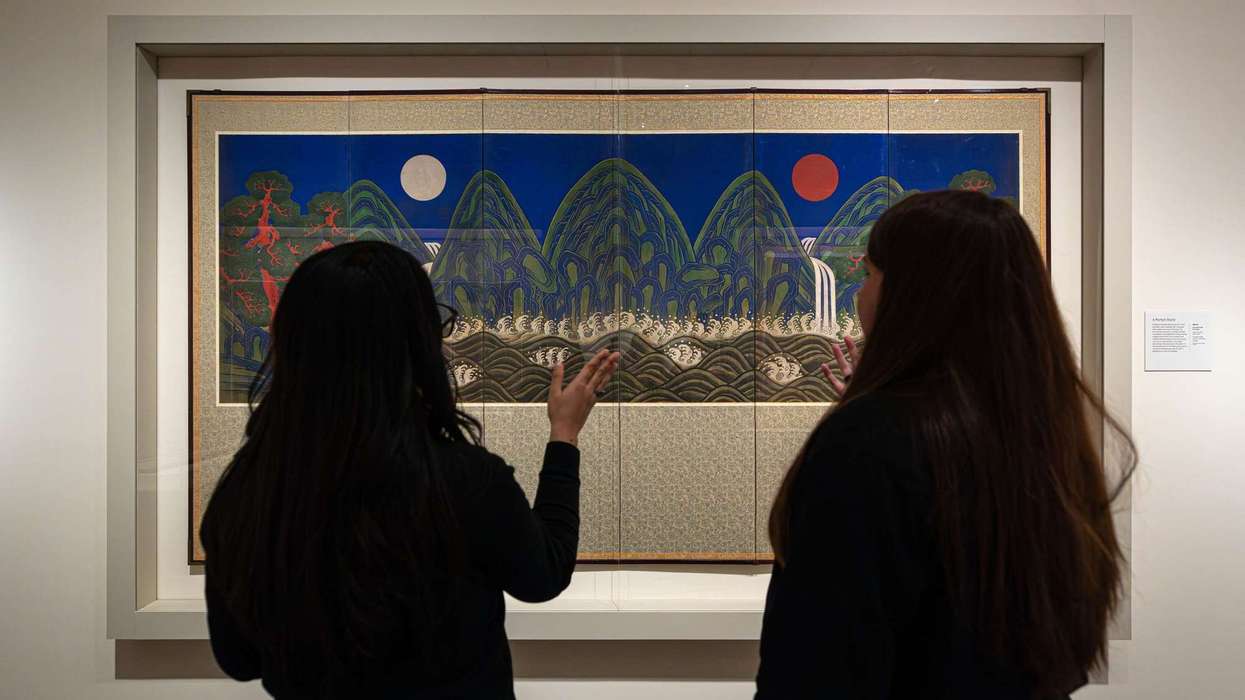 The donation aligned with Lee Kun-hee’s goal of making South Korea a global cultural powerhouseColleen J. Dugan/National Museum of Asian Art, Smithsonian Institution
Eight former ministers of culture and 12 art organisations had come together to publicly ask the government to change the tax rules and stop the works from leaving the country. When the Lee family announced the donation, it put those fears to rest.
Lee Kun-hee’s art acquisitions were not without controversy: in 2007, he was accused by Kim Yong-chul, a former Samsung lawyer, of acquiring expensive artworks using company slush funds.
Lee denied the allegation, which prompted an investigation into the former chairman and resulted in his conviction for tax evasion in 2008, although prosecutors did not bring any bribery charges related to the alleged slush funds.
The donation choice fitted with Lee Kun-hee's often-stated goal of making South Korea a cultural powerhouse on the world stage.
The collection started with Samsung founder Lee Byung-chul, Lee Kun-hee's father, who began buying artworks partly to bring back Korean cultural heritage.