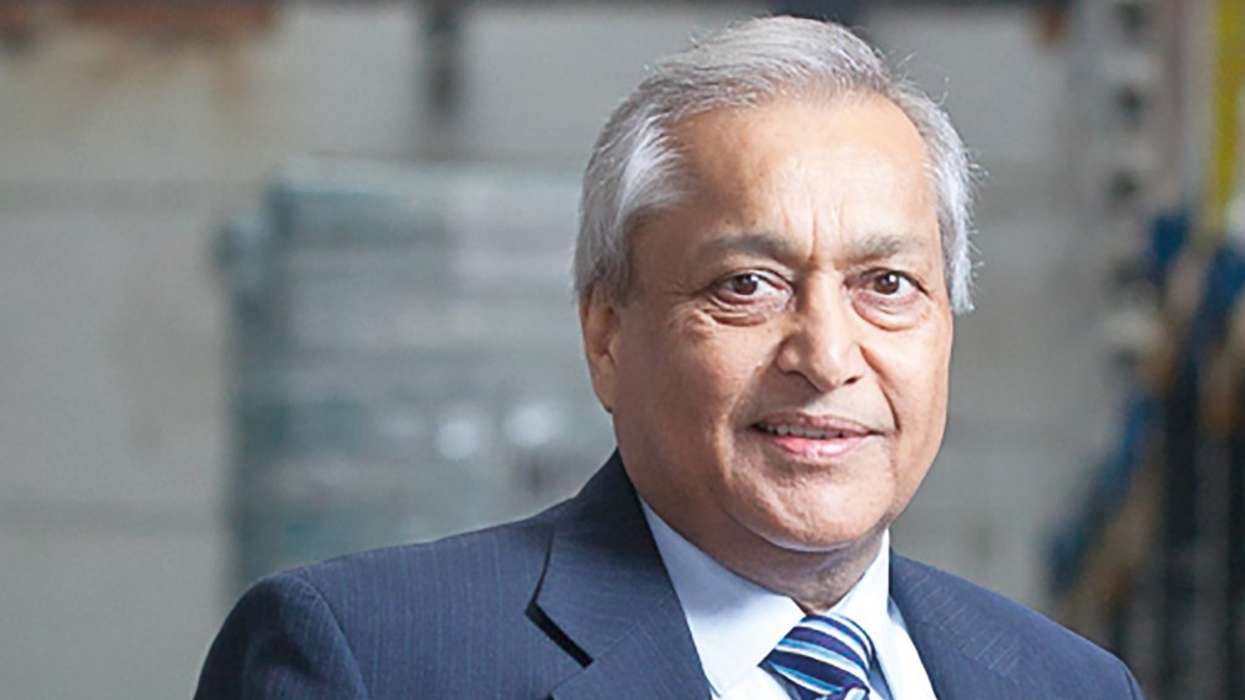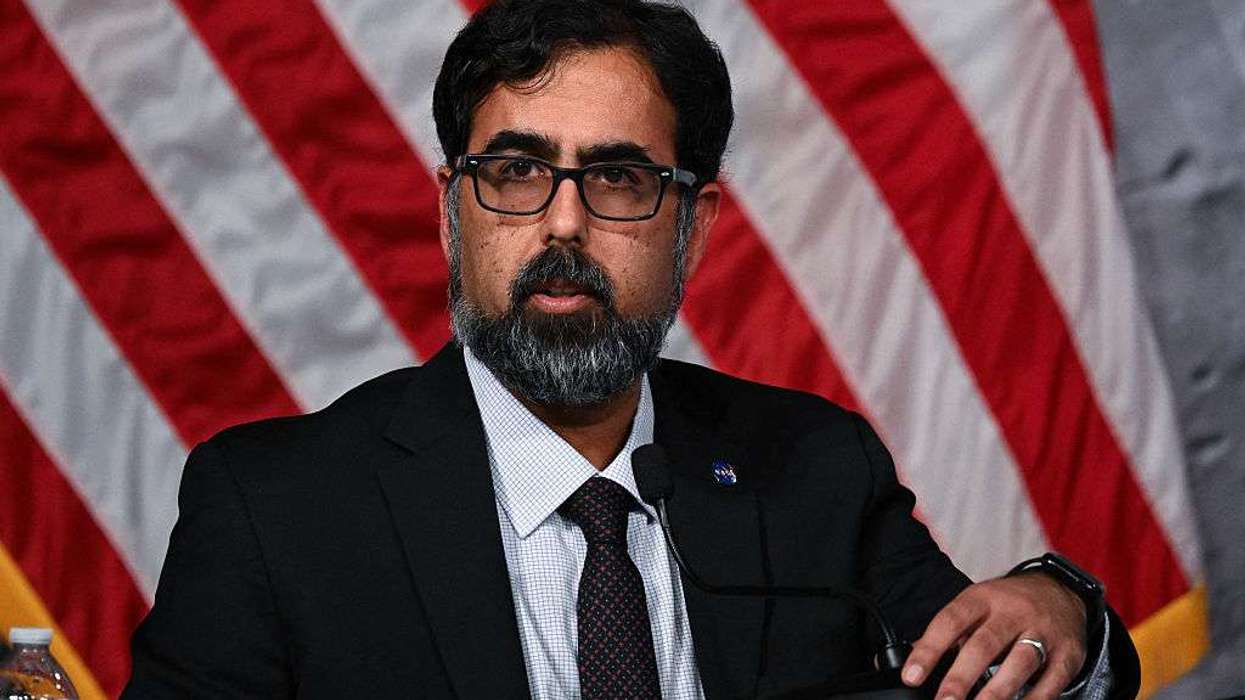

AS FOUR astronauts splashed down in the Pacific Ocean on Friday (10) after the first crewed journey to the moon in more than 50 years, one man stood at the centre of it all — Amit Kshatriya, NASA's most senior civil servant.
Born in Brookfield, Wisconsin, to first-generation Indian immigrant parents, Kshatriya grew up in Katy, a suburb of Houston, Texas, where he watched space launches as a child. Houston is home to NASA's Mission Control at the Johnson Space Centre, and those early memories appear to have shaped everything that followed.
Now 42, he serves as NASA's associate administrator, the highest-ranking civil servant at the agency, and as a senior adviser to administrator Jared Isaacman. He oversees NASA's ten centre directors and its mission directorates, and also acts as the agency's chief operating officer.
Speaking shortly after the Artemis II crew returned to Earth, Kshatriya set out the scale of the challenge still to come. "The path to the moon is open, but the work ahead is greater than the work behind," he said.
He was full of praise for the teams who made the mission possible. "Yesterday, flight director Jeff Radigan said we had less than a degree of an angle to hit after a quarter of a million miles to the moon — and their team hit it. This is not luck; that is 1,000 people doing their job," he told a press conference.
Kshatriya studied mathematics at the California Institute of Technology and later completed a master's degree at the University of Texas at Austin. After working briefly in oil and gas and the medical sector, he joined United Space Alliance, NASA's primary contractor for the space shuttle programme, in 2003.
He went on to work as a software engineer, robotics engineer and spacecraft operator, focusing largely on the robotic assembly of the International Space Station. Between 2014 and 2017, he served as a space station flight director, leading global teams through all phases of the station's operation.
In 2021, he moved to NASA headquarters, where he played a key role in the Artemis I mission — the uncrewed test flight that sent a spacecraft designed to carry humans back towards the moon. He then served as deputy associate administrator for NASA's Moon to Mars programme before being named associate administrator in September last year.
His achievements have been recognised with some of the agency's most prestigious honours. He received the NASA Outstanding Leadership Medal for his work as lead flight director on the 50th expedition to the space station, and was given the Silver Snoopy — an award given by astronauts themselves for outstanding contributions to flight safety.
The Artemis II mission, which flew 700,237 miles and reached a peak speed of 24,664 miles per hour, was the first crewed lunar flyby since Apollo 17 in December 1972. Its crew, commander Reid Wiseman, pilot Victor Glover, Christina Koch and Canada's Jeremy Hansen, also witnessed a total solar eclipse from space.
NASA says its next mission, Artemis III, which aims to land astronauts on the moon, is "right around the corner."
(Agencies)