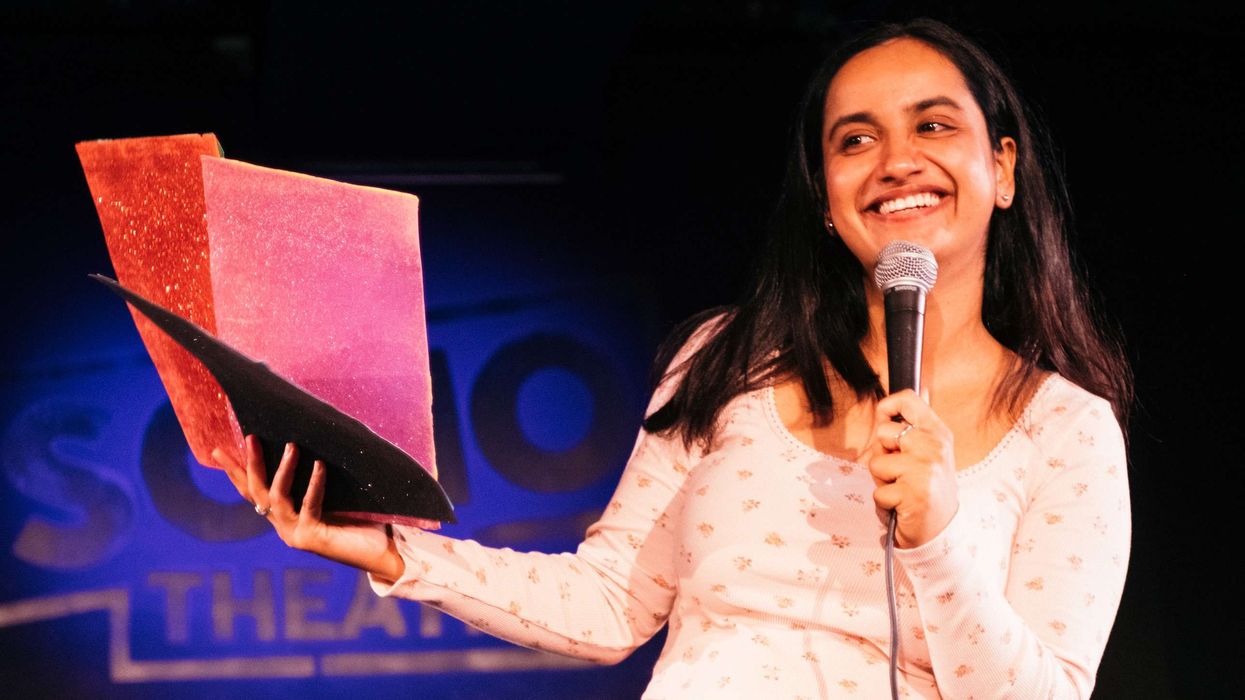

Indian stand-up comedian Urooj Ashfaq returns with How to Be a Baddie, a follow-up to her acclaimed 2023 debut show that made her the first Indian comic to win the Best Newcomer award at the Edinburgh Fringe. After previously performing extensively across the UK and further Fringe runs, she returns with a month long UK tour throughout November. The rising star follows up her biggest London engagement at Soho Theatre, until November 15, with shows across the UK, which promise edge, irreverence, and rebellion.
The show is built around a clever conceit: a critic once accused her of not being ‘edgy enough’, and this is her tongue-in-cheek attempt to prove them wrong. She dives headfirst into taboo territory — sex, erotica, beating children, religion, even haemorrhoids — tackling each with her trademark candour and charm. There’s a particularly funny section about dark romance fan fiction inspired by One Direction, complete with hilarious impressions of Harry Styles and Zayn Malik, that captures her mix of sharp observation and silly joy.
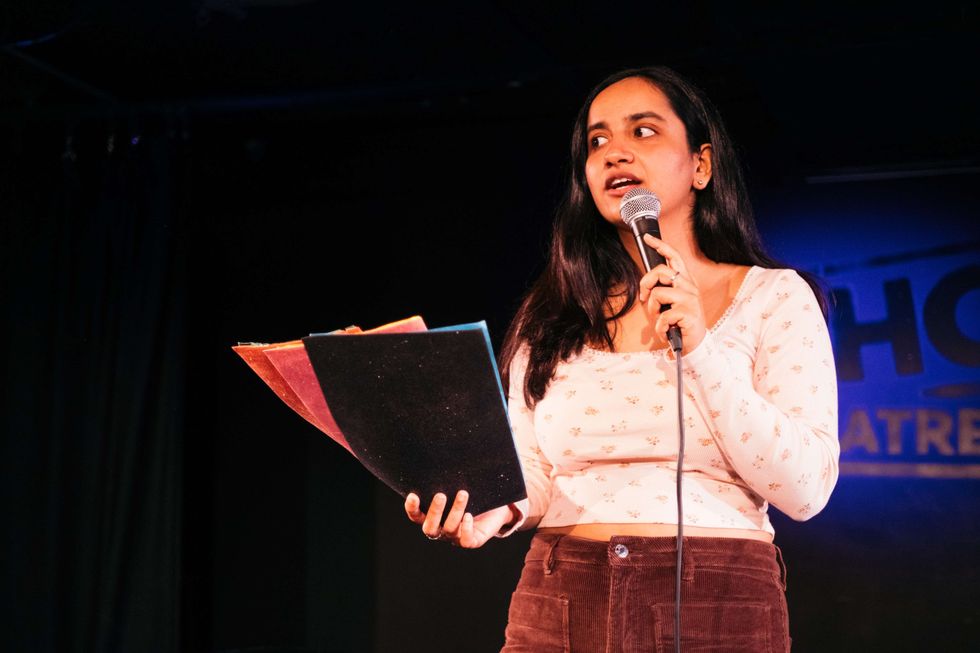 The show is built around a clever conceit: a critic once accused her of not being ‘edgy enough’AMG
Ashfaq’s natural warmth remains her biggest strength. She draws in the audience with the easy intimacy of a late-night chat, peppering her set with bilingual punchlines that weave Hindi and English seamlessly. But for all her charisma, the show feels uneven — a patchwork of strong bits that don’t quite coalesce into something bigger. Some jokes feel familiar, even lifted from her earlier material, while others seem undercooked, as though still in testing mode.
It’s possible that Ashfaq has slipped into a comfort zone. With a bigger international platform and a rapidly growing fanbase, she seems caught between two worlds: the niche, personal storytelling that defined her early success, and the broader, cross-cultural appeal her new audience demands. The result is a show that flirts with vulnerability but rarely deepens it, circling self-deprecation without quite finding new emotional stakes. There’s a fine line between being endearingly modest and underselling one’s own talent — and here, she sometimes blurs it.
For newcomers, How to Be a Baddie remains a lively, entertaining hour — full of clever anecdotes, cultural nuance, and deadpan delivery. But longer-time admirers might sense the momentum slowing and they will feel a strong sense of de ja vu with recycled jokes. There was clear potential to evolve her voice, to take bigger risks and push her storytelling further. Instead, what we get feels like a holding pattern: funny, familiar, and still watchable, but not transcendent.
There’s no doubt Ashfaq is still one of the most original and relatable comic voices to emerge from India’s comedy scene —
but this time, her balloon, though beautifully crafted, never quite soars.