
- Investment minister flags job losses from AI disruption
- Universal basic income discussed, not adopted
- London and finance sector seen as highly exposed
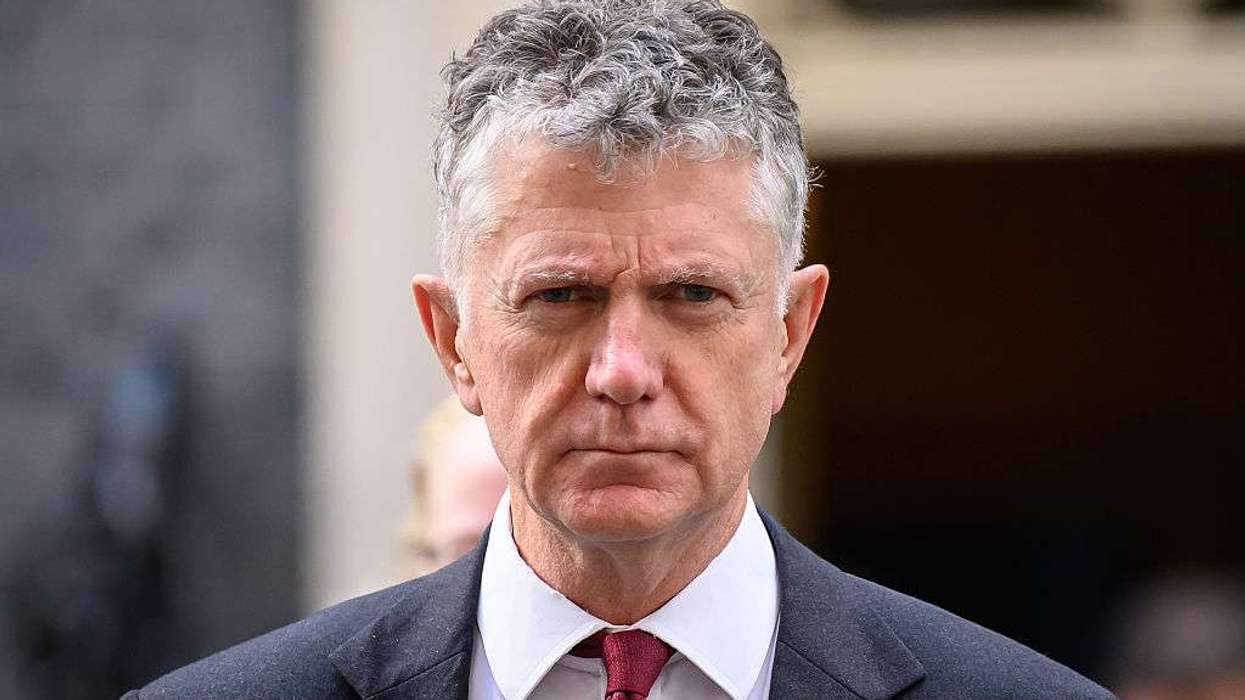
The UK could one day consider a universal basic income to support workers whose jobs disappear because of artificial intelligence, according to comments by the country’s investment minister.
Jason Stockwood, a Labour peer who took up the role in September, said the changes driven by AI would not be smooth and could require new safety nets for people whose roles vanish quickly. He described the shift as “bumpy” and suggested governments may need to step in with transitional support, as quoted in a news report.
Speaking to the Financial Times, Stockwood reportedly said industries disrupted by AI would need to be “soft-landed”, adding that some form of universal basic income or lifelong support mechanism could help people retrain when jobs disappear.
Universal basic income, or UBI, involves regular payments to individuals regardless of employment status. It is not part of official UK government policy. However, when asked whether the idea was being discussed within government circles, Stockwood said people were “definitely talking about it”, according to the report.
Stockwood, a technology entrepreneur by background, said one reason for joining government was to help ensure the UK workforce was ready for rapid technological change.
Warnings pile up on AI impact
Concerns about AI’s impact on employment have been growing. Research published this week by Morgan Stanley found the UK is losing more jobs to AI than it is creating, with the impact reportedly sharper than in other large economies.
Earlier this month, London mayor Sadiq Khan warned that AI could wipe out large numbers of jobs in the capital and potentially trigger “a new era of mass unemployment”, as quoted in a news report.
The debate is not limited to the UK. Last week, Jamie Dimon told the World Economic Forum in Davos that governments and businesses would need to support workers displaced by AI, warning of possible civil unrest if they failed to act.
Before entering politics, Stockwood held senior roles at companies including Lastminute.com, Travelocity and Match.com. He also oversaw the £400m sale of online insurance broker Simply Business to the US insurer Travelers in 2017 and later bought a stake in Grimsby Town FC.
While he has previously argued for a wealth tax in the UK, Stockwood said he has not repeated those calls since joining government. However, he reportedly criticised wealthy individuals who focus on paying the least possible tax, suggesting such behaviour showed a lack of commitment to the country and its communities.
Stockwood succeeded Poppy Gustafsson, former chief executive of cybersecurity firm Darktrace, who stepped down from the investment minister role after less than a year.
For now, universal basic income remains an idea rather than a policy. But as AI reshapes the labour market, the conversation around how to protect displaced workers appears to be gaining momentum inside government.