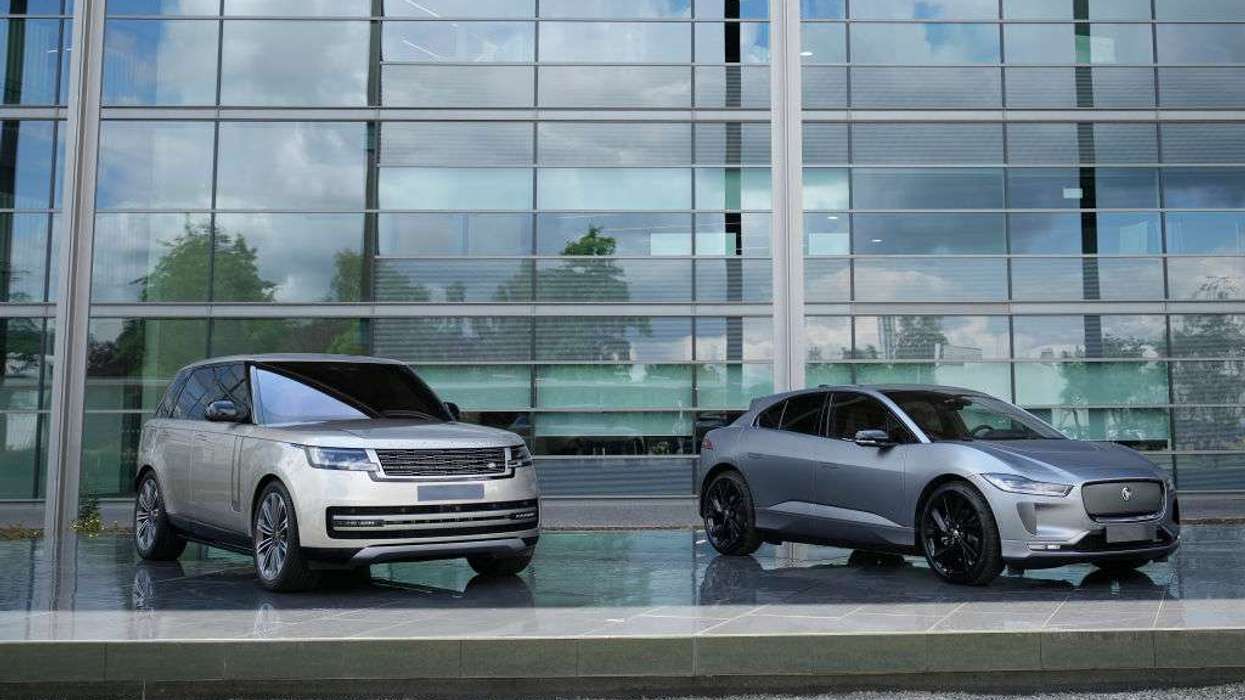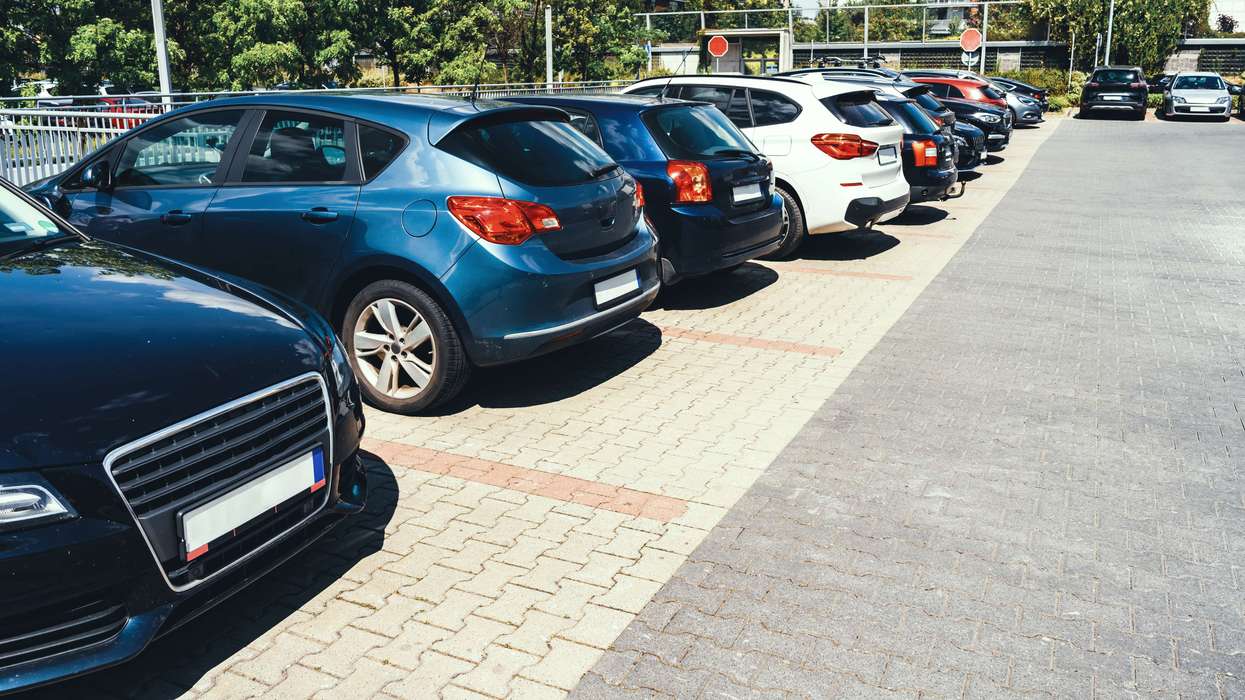

- SUVs now make up over half of new car sales in the UK
- Experts say heavier vehicles are accelerating road wear
- Pothole repair costs hit £18.6 billion across England and Wales
Britain’s growing shift towards SUVs is now being linked to the country’s worsening pothole crisis, with experts warning that heavier vehicles are accelerating road damage even as drivers turn to them to cope with poor surfaces.
SUVs accounted for more than half of the 2 million new cars sold in the UK, while their share in the second-hand market is also rising. The trend appears to be partly driven by deteriorating road conditions, with new research showing that a section of motorists are actively choosing larger vehicles to deal with potholes.
Polling data suggests that in some regions, including London and Yorkshire, nearly one in eight drivers said road conditions influenced their decision to buy an SUV or a heavier car. Nationwide, around 6 per cent said it was the primary reason — a figure that reportedly doubles among those who have already experienced damage to their vehicles.
A problem feeding itself
What is emerging is a feedback loop. Drivers are moving towards bigger, more robust vehicles to handle broken roads, but those same vehicles may be contributing to faster deterioration.
Road damage is still largely caused by water seeping into cracks and expanding during freeze-thaw cycles. But experts say vehicle weight is becoming an increasingly important factor. One academic reportedly said in a news report that heavier vehicles increase surface stress and accelerate crack formation, particularly in cities where roads were not built for such loads.
The numbers underline the shift. SUVs have gone from just 3 per cent of cars on England’s roads two decades ago to more than 30 per cent now. Another researcher noted, as quoted in a news report, that a typical SUV can exert up to five times more force on the road than a standard car.
Even if heavy goods vehicles remain the biggest contributors to immediate road damage, the cumulative effect of millions of heavier passenger cars is starting to show. SUVs are typically 200–300kg heavier than smaller vehicles, and that added weight is now being seen as a growing factor in road wear.
Costs rising, policy questions follow
The financial strain is mounting. According to industry estimates, fixing potholes and maintaining local roads across England and Wales would cost £18.6 billion — a record figure.
The issue is also feeding into policy discussions. In London, authorities are considering whether larger SUVs should face additional charges, with Transport for London studying their impact on safety, congestion and road conditions.
Safety concerns are adding urgency. Research suggests pedestrians are more likely to suffer serious or fatal injuries in collisions involving SUVs, with children particularly at risk due to the height and structure of these vehicles.
At the same time, some in the motoring sector argue that drivers are reacting to the reality of poor roads rather than causing it. As one expert reportedly said in a news report, the condition of many roads is pushing people towards vehicles better suited to uneven surfaces.
For now, both trends appear to be moving together — worsening roads and heavier cars — raising the question of which one will be addressed first.