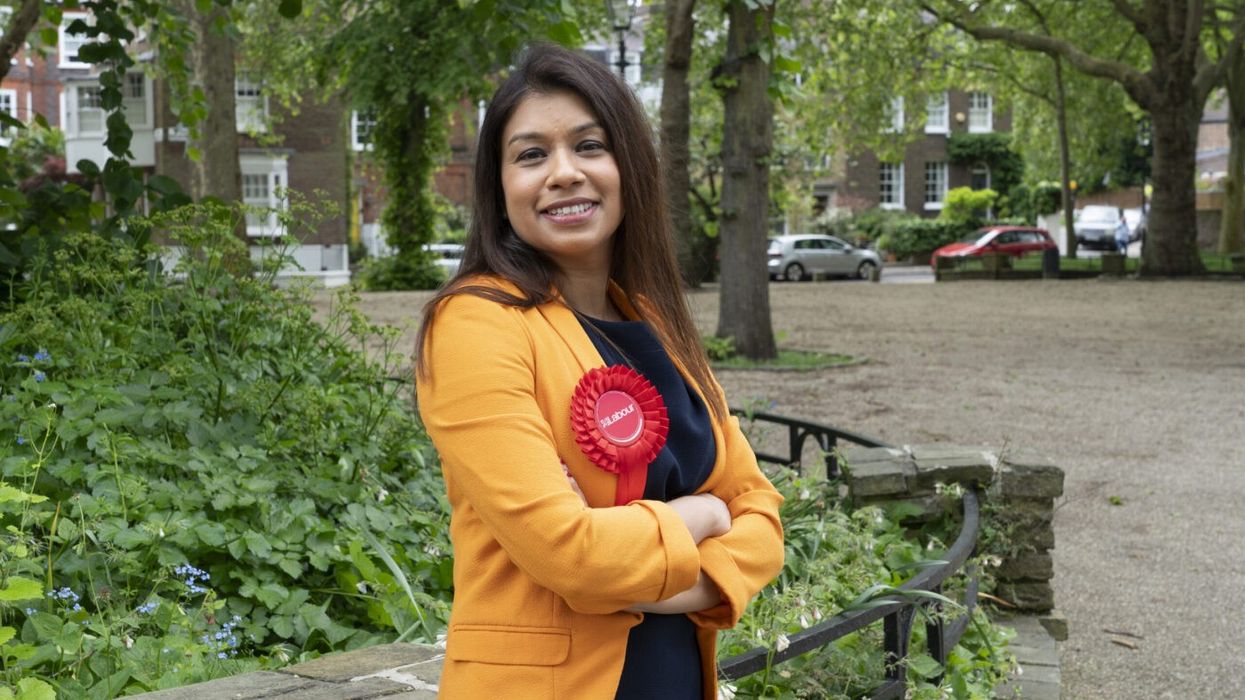

TULIP SIDDIQ, the economic secretary to the Treasury, has been questioned by the Cabinet Office's propriety and ethics team (PET) regarding allegations of involvement in a £3.9 billion embezzlement linked to a nuclear energy project in Bangladesh.
Siddiq is accused of helping her aunt, Sheikh Hasina, the recently ousted former prime minister of Bangladesh, secure a deal with Russia for the Rooppur power plant in 2013, reported The Times.
Allegations suggest large sums of money were embezzled from the £10 bn project. Siddiq, who posed for a photograph with Russian president Vladimir Putin and Hasina during the signing ceremony, has denied any wrongdoing.
On Thursday, Siddiq met with a PET official to address the claims. The Times sources stated her explanation was accepted at face value, and no civil service investigation is underway. The Cabinet Office reiterated that Siddiq denied any involvement.
Siddiq’s supporters described the allegations as politically motivated, asserting they are part of a “political hit job.” She reportedly reiterated this view during her discussion with the PET official. Siddiq explained her 2013 visit to Moscow was to meet Hasina, as travel to Russia was easier than to Bangladesh at the time.
The Daily Mail reported fresh concerns over a £794 million arms deal signed during the same meeting, involving Russian military equipment. A Labour Party spokesperson dismissed the allegations, stating they predate Siddiq’s tenure as an MP.
Bangladesh’s anti-corruption commission is reportedly gathering evidence on Siddiq and may contact her soon. If contacted, her response could determine whether formal charges are filed.
Keir Starmer expressed confidence in Siddiq, with a spokesperson affirming compliance with ministerial declaration processes.
No 10 Downing Street acknowledged the seriousness of the matter but noted the PET meeting was not mandated by the prime minister.
Siddiq has previously described her aunt Hasina, now accused of crimes against humanity, as a “great role model.”



 Curator Emma Slocombe with ikat robes and arabachi coats in the Peter the Great Room in Blickling Hall Amit Roy
 View of the entrance to Blickling Hall on a rainy autumn dayAmit Roy
 Kente cloth from Ghana in the Long Gallery in Blickling Hall
 Decoration in the Great Hall at Blickling Hall Amit Roy
 Palampore fragment made in coastal south-east India in the Brown Room in Blickling Hall Amit Roy
 Bed valance dating from early 1700s in the Italian Print Room at Blickling Hall Amit Roy
 Indian inspired fabric draped on sofas in the South Drawing Room in Blickling Hall Amit Roy
 Indian inspired fabric draped on sofas in the South Drawing Room with Indian carpet in Blickling Hall Amit Roy
 Karun Thakar has picked out the geometric patterns in the bookcase and the Kente cloth in the Long Gallery in Blickling Hall Amit Roy
 Large tapestry depicting Peter the Great defeating the Swedish army at the Battle of Poltava in 1709 Amit Roy
 ikat robes and arabachi coats in the Peter the Great Room in Blickling Hall Amit Roy
 Baghs and kanthas made by women provide contrast to the men only portraits in the Great Hall at Blickling Hall Amit Roy
 Baghs and kanthas in the entrance Great Hall at Blickling Hall Amit Roy
 Baghs and Kanthas in the Great Hall in harmony with stained glass window at Blickling Hall Amit Roy
 Kimonos reflect Japanese influence in Upper Ante Room in Blickling Hall Amit Roy
 Kimono in Upper Ante Room in Blickling Hall
 A view of the Palace and fort at Agra shows romantic side of India Amit Roy
 Blickling Hall Amit Roy
 Table carpet, European 1670-1680 Amit Roy
 Unfinished 17th century Italian embroidery in the Print Room at Blickling Hall Amit Roy
 Picture of Kashmir shows a romantic view of India Amit Roy
 A panel of Ashburnham bed hangings made in Gujarat for sale in Europe in the Brown Room in Blickling Hall Amit Roy
 Colcha made in the 1600s by women in Bengal for the Portuguese market in the Long Gallery at Blickling Hall Amit Roy