
- Trump has publicly clashed with allies, rivals and global figures in recent weeks.
- Remarks range from policy criticism to personal jabs and threats.
- The pattern is raising questions about the stability of key global relationships.
Donald Trump has moved beyond routine political disagreement into something more confrontational in recent weeks. His remarks have not been limited to rivals or adversaries. Instead, they have stretched across allies, religious leadership and global institutions, often delivered in a tone that feels unusually personal and direct.
What stands out is not just what he is saying, but how frequently and widely these remarks are being made. From Europe to the Middle East to Washington, Trump’s comments are cutting across different layers of global leadership. Some are tied to the ongoing Iran war. Others appear to stem from broader frustrations with how allies and institutions are responding. Taken together, they suggest a pattern where disagreement is no longer managed quietly but aired openly, often with sharp language.
These are some of the personalities he has taken a dig at in recent weeks, ranging from close allies to global leaders and even figures back home.
1. Giorgia Meloni
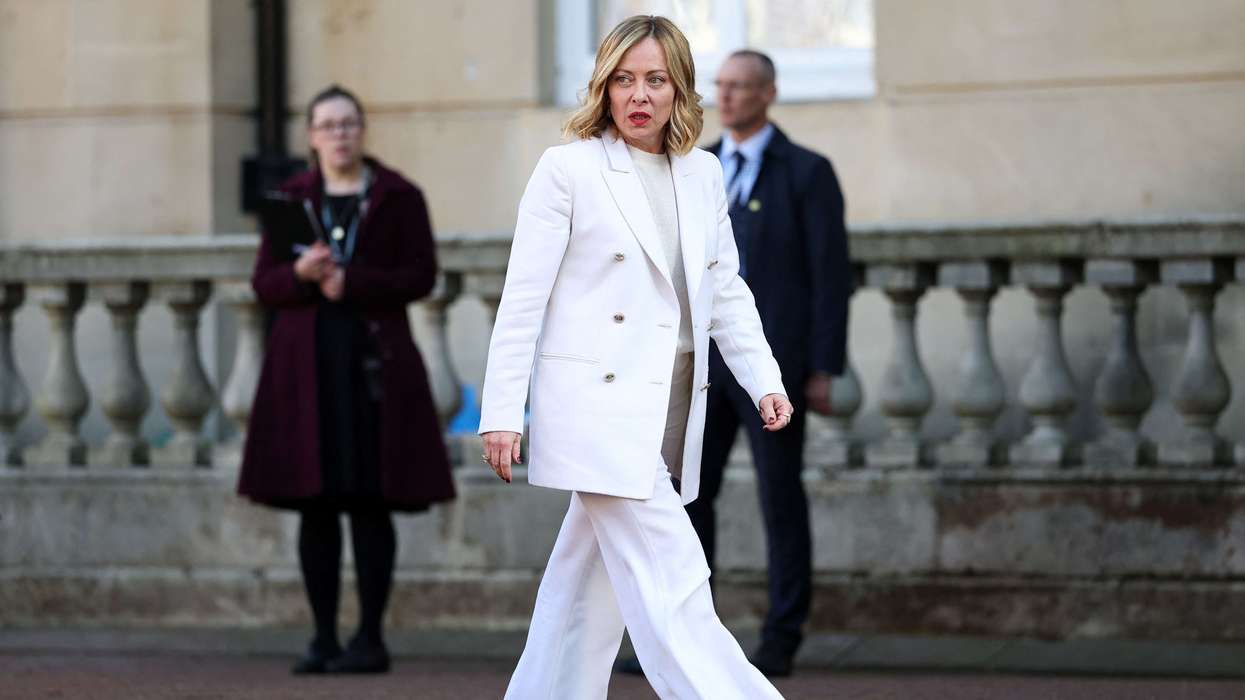 Giorgia MeloniGetty Images
Trump’s comments on Giorgia Meloni mark one of the sharpest breaks with a European ally. In an interview with an Italian newspaper, he said he was “shocked” by her and accused her of lacking courage after she declined to support US military action linked to the Iran conflict. He went further, suggesting that her position showed indifference to the threat posed by Iran and warning that countries like Italy could be at risk.
The exchange did not come out of nowhere. A day earlier, Meloni had publicly criticised Trump’s remarks about Pope Leo XIV, calling them “unacceptable” after the Pope urged an end to the war. Trump’s response appears to have been directed as much at that criticism as at Italy’s position on Iran. The episode highlights how quickly the relationship has shifted. Once seen as politically aligned, the two leaders now appear to be on opposite sides of a widening divide, with Trump himself noting they have not spoken “in a long time”.
2. Keir Starmer
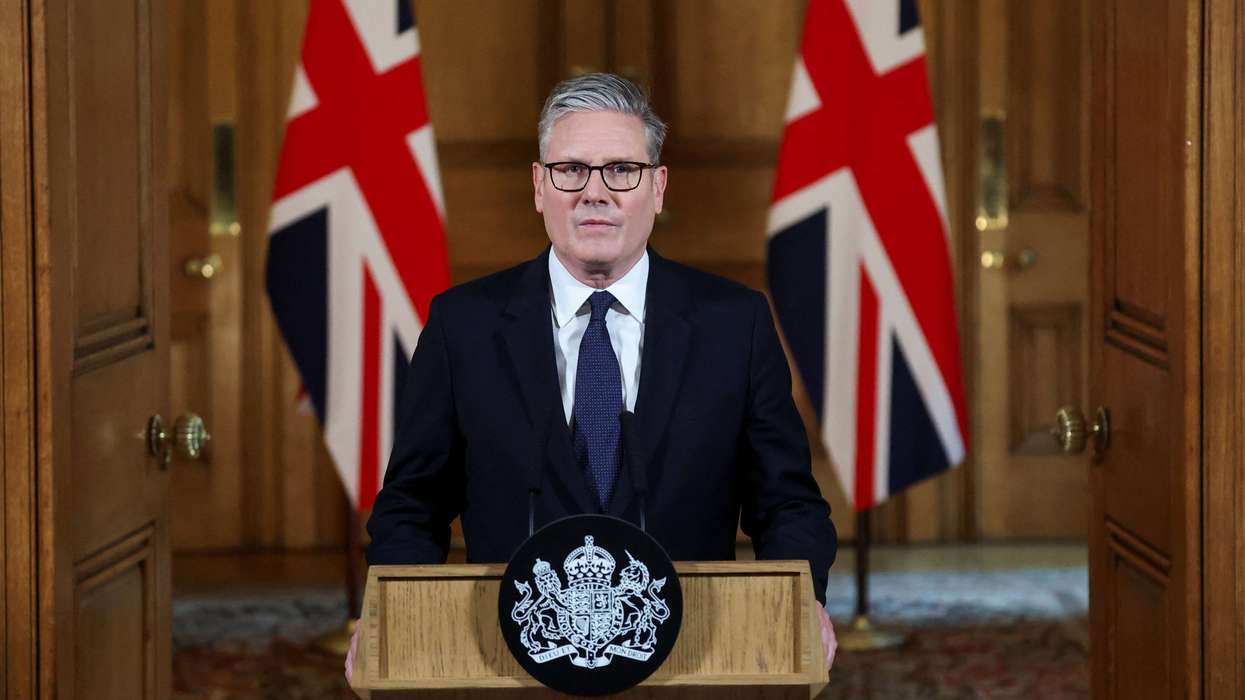 Keir StarmerGetty Images
Trump’s frustration with the UK has been more strategic but equally clear. He criticised Keir Starmer after Britain declined to support US military action linked to the Iran conflict. In remarks to a broadcaster, he warned that the UK’s position could have consequences for trade, suggesting that an existing agreement could be reconsidered.
The comments came as Washington sought broader backing from allies, including assistance in securing the Strait of Hormuz, a critical shipping route that carries a significant share of global oil and gas. Britain’s refusal to take part in those efforts appears to have triggered the response. Trump also described the state of ties as having “been better” and “sad”, signalling a shift from cooperation towards pressure within a relationship often described as close.
3. Pope Leo XIV
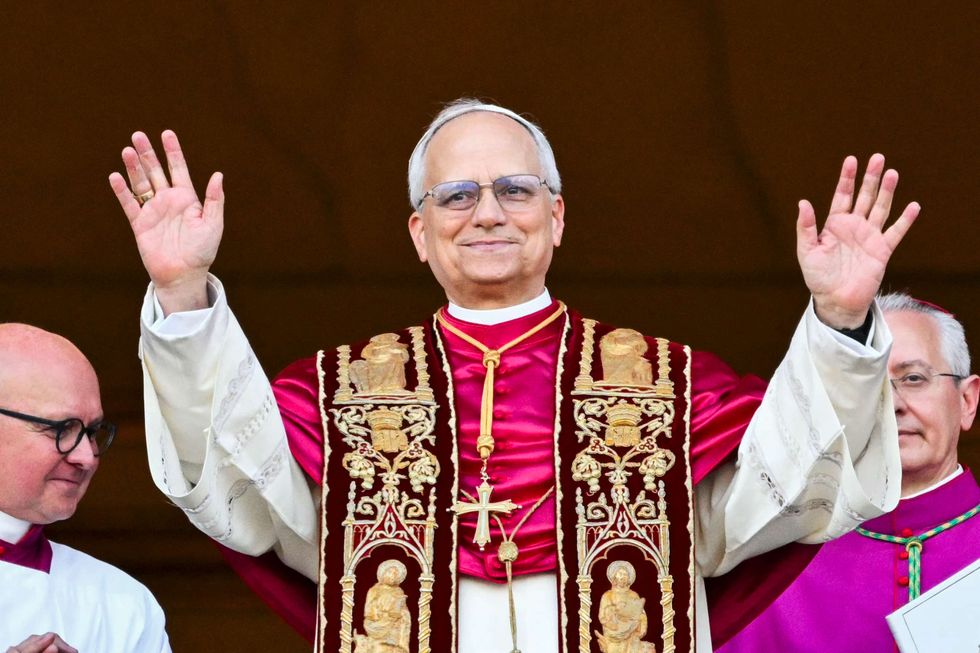 Pope Leo XIVGetty Images
The clash with the Vatican has added another dimension. After Pope Leo XIV repeatedly called for an end to the war in the Middle East and urged restraint, Trump responded by calling him “weak” and “terrible for foreign policy”, as quoted in a news report. He later refused to apologise, saying he was simply responding after the Pope “went public”.
The exchange escalated further during a White House interaction with reporters, where Trump was asked about both his remarks and a now-deleted social media post that appeared to depict him in a religious, saint-like role. He downplayed the post, saying he believed it portrayed him differently. The Pope, speaking separately, maintained that his position was rooted in the Church’s mission for peace and stressed that his comments were not directed at any one individual. The back and forth has deepened a visible divide between political leadership and moral authority, with both sides holding firm to their positions.
4. Emmanuel Macron
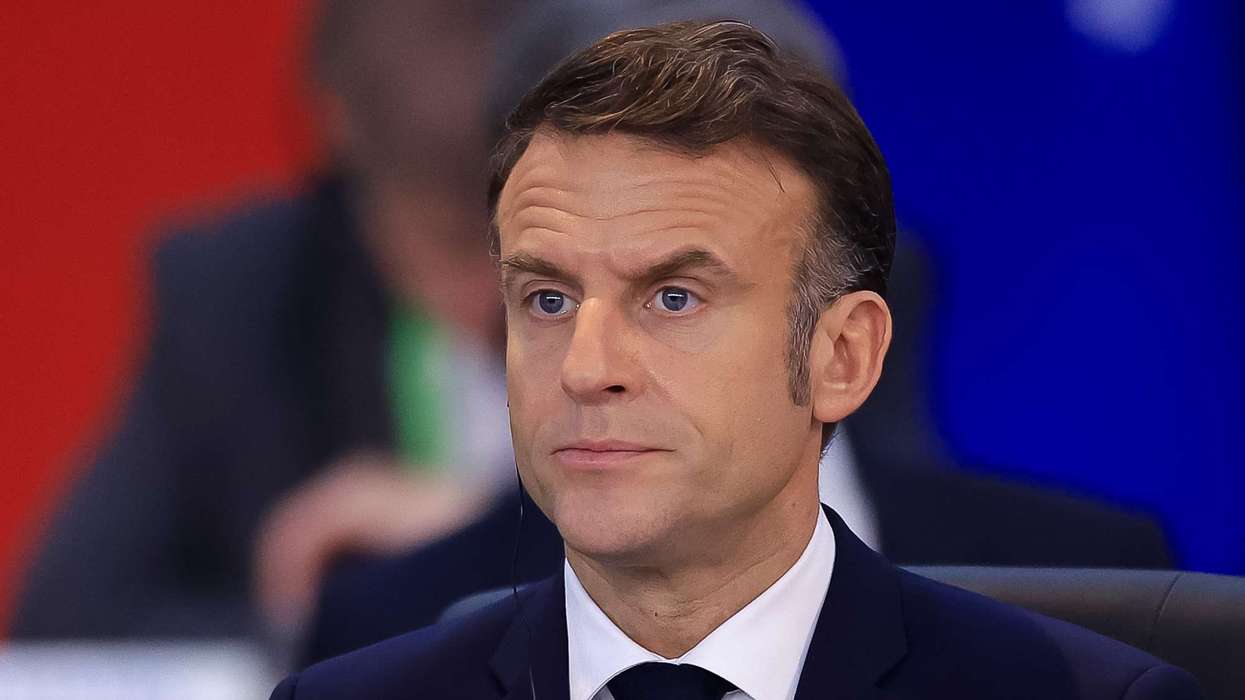 Emmanuel MacronGetty Images
Trump’s remarks about Macron moved beyond policy into personal territory. During a private setting, he mocked the French president, imitated his accent and claimed that Macron’s wife “treats him extremely badly”, adding that he was still “recovering”, as quoted in a news report. The comments quickly drew backlash across France, including from political figures who are often critical of Macron.
Macron later responded by calling the remarks “not up to standard”. The incident has added strain to relations with France, particularly at a time when coordination among Western allies is being closely watched. The reaction in France suggests that the issue is not just political disagreement, but also the tone being used.
5. Ayatollah Mojtaba Khamenei
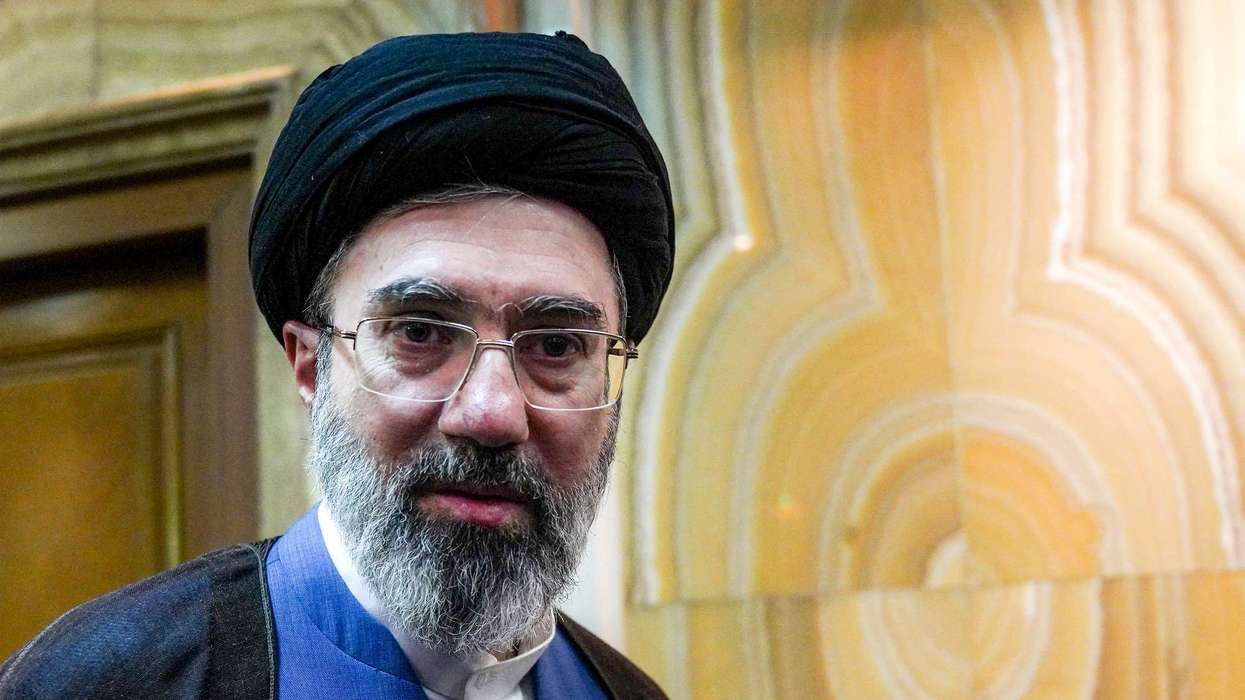 Ayatollah Mojtaba KhameneiGetty Images
Trump’s stance towards Iran’s leadership has been direct and forceful. He has issued warnings about severe consequences if Iran escalates the conflict or disrupts key oil routes. The rhetoric has included strong language about the scale of potential retaliation.
These remarks are part of a broader escalation in the conflict, but they also reflect a communication style that relies heavily on public warnings. While such statements are often intended to deter, they also contribute to rising tensions by leaving little room for softer diplomatic signals.
6. Joe Biden
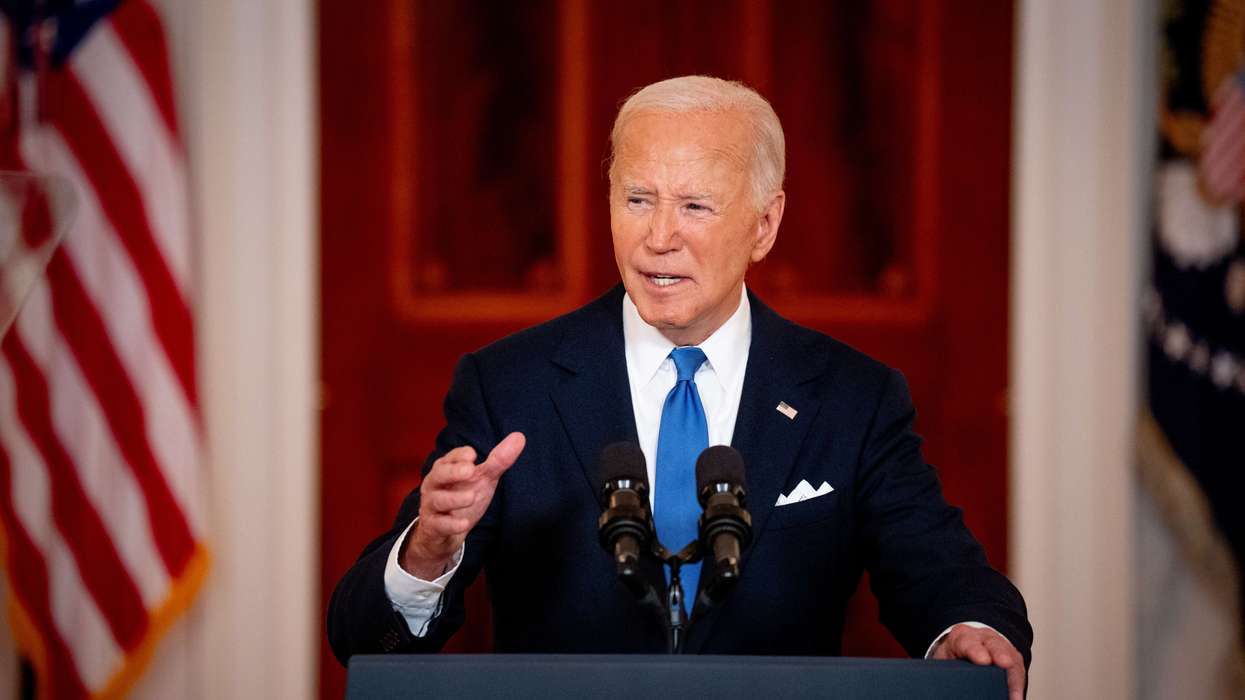 Joe BidenGetty Images
Trump has also brought domestic political figures into his remarks. During a White House briefing on the Iran war, he referred to comments allegedly made by North Korea’s leader Kim Jong Un about Joe Biden, repeating a derogatory term used to question Biden’s mental fitness. He added that Kim “likes Trump”, framing the remark as a comparison between how the North Korean leader views both men.
There was no immediate response from Biden. However, the comments drew criticism from advocacy groups, as the language used is widely considered offensive. The episode highlights how Trump’s rhetoric is not limited to foreign leaders, but also extends to domestic political figures, often in a similar tone.
7. Benjamin Netanyahu
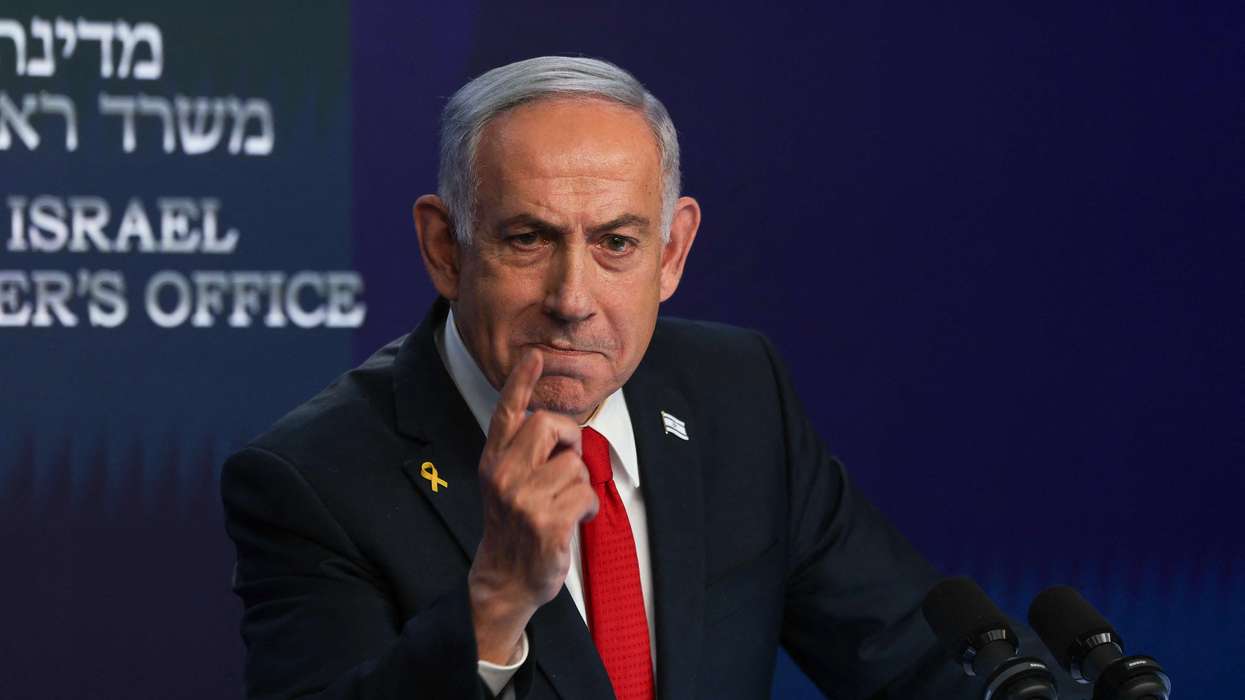 Benjamin NetanyahuGetty Images
While not a direct clash, Benjamin Netanyahu’s remarks have added to the broader conversation. Speaking during a cabinet meeting, he said the Trump administration was providing Israel with daily updates on the Iran war, including detailed briefings on peace talks and ongoing developments.
The context was one of close coordination between Washington and Tel Aviv as the conflict stretched on. However, the comment drew attention because it suggested that sensitive information was being shared extensively with a foreign government. This triggered debate about transparency, particularly around how much the American public was being told compared to key allies.
The episode reflects the complexity of alliances during conflict. While communication between partners appears active, it has also raised questions about how decisions are being handled and who is being kept informed.
8. Janet Yellen
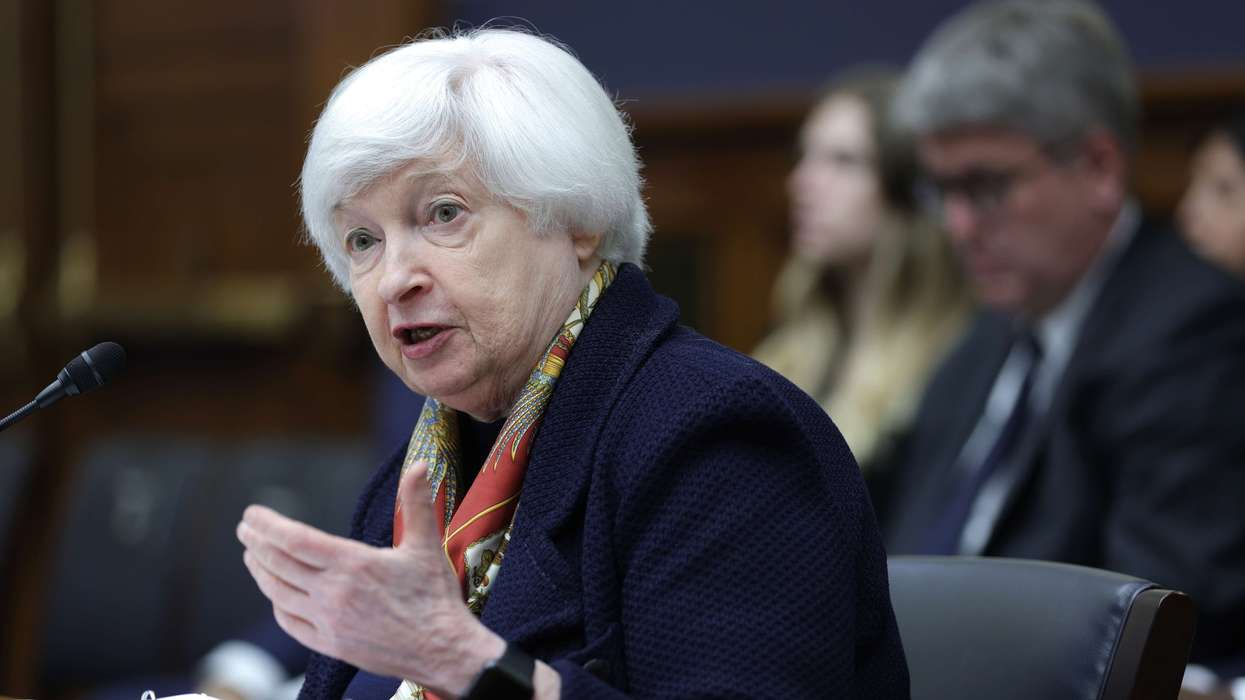 Janet YellenGetty Images
Economic tensions are also part of the picture, though the lines are less direct. Janet Yellen recently spoke about rising inflation risks and economic uncertainty linked to the Iran war, pointing to higher oil prices and broader supply shocks affecting global markets.
While Yellen’s remarks were not aimed at Trump, they sit within a wider backdrop of his repeated criticism of US economic leadership, particularly the Federal Reserve, over interest rate decisions. Trump has argued that the US economy needs sharper rate cuts, creating an ongoing divide over how to respond to inflation and growth pressures.
The economic fallout from the conflict has added another layer to this tension. With oil prices rising and inflation risks increasing, the debate is no longer limited to politics or security. It now extends into financial policy, where disagreements over how to manage the impact are becoming more visible.
A pattern that is hard to ignore
Across all these episodes, a pattern emerges. Trump’s remarks are not confined to one region, one issue or one type of relationship. They span allies, adversaries and institutions, and they move between policy criticism and personal commentary.
For allies, the implications are not just about rhetoric. Public criticism from Washington can complicate coordination, particularly during conflict, where alignment is often expected. It also shifts how disagreements are handled, moving them from private discussions into the open. That can make it harder for leaders to balance domestic pressures with international commitments, especially when positions are being questioned in real time.
But for now, the trend is clear. The circle of confrontation is widening, and the impact is being felt across multiple levels of global engagement.