
- US could reimpose tariffs on UK imports over forced labour concerns.
- Trump warns closer UK–China ties could be “very dangerous”.
- Businesses told to prepare for tariffs as a long-term reality.
The UK’s efforts to rebuild economic ties with China are running into fresh resistance from the US, with tariff threats once again entering the conversation.
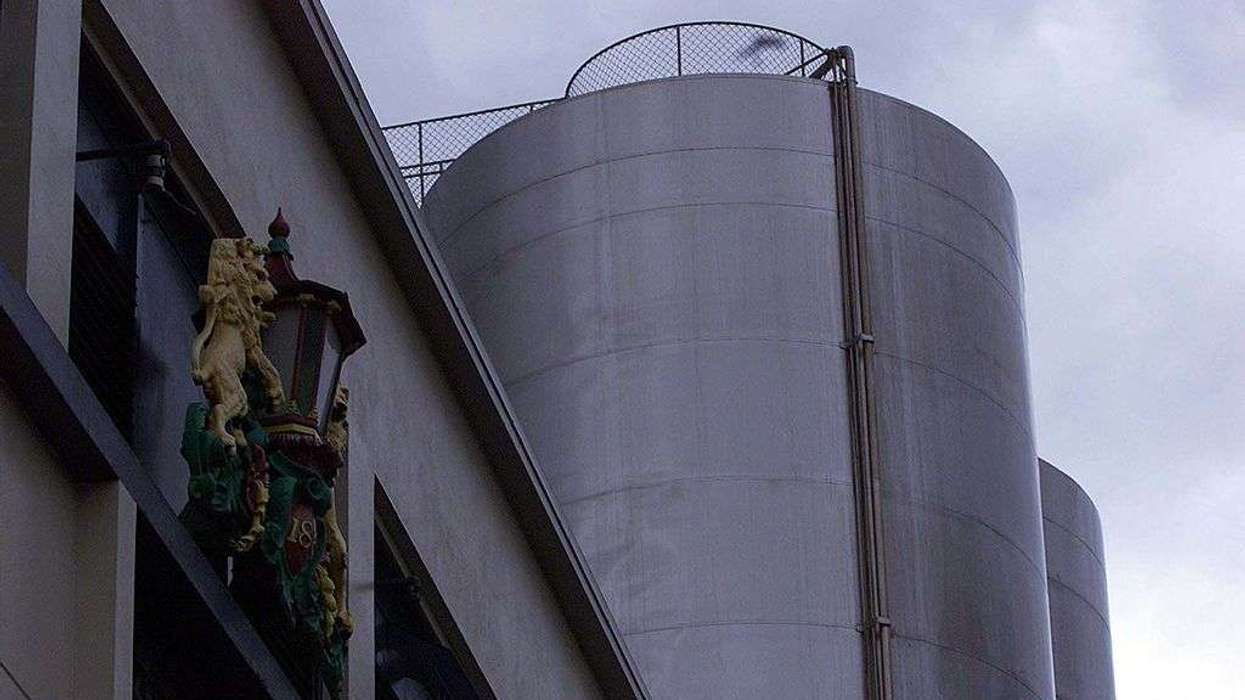
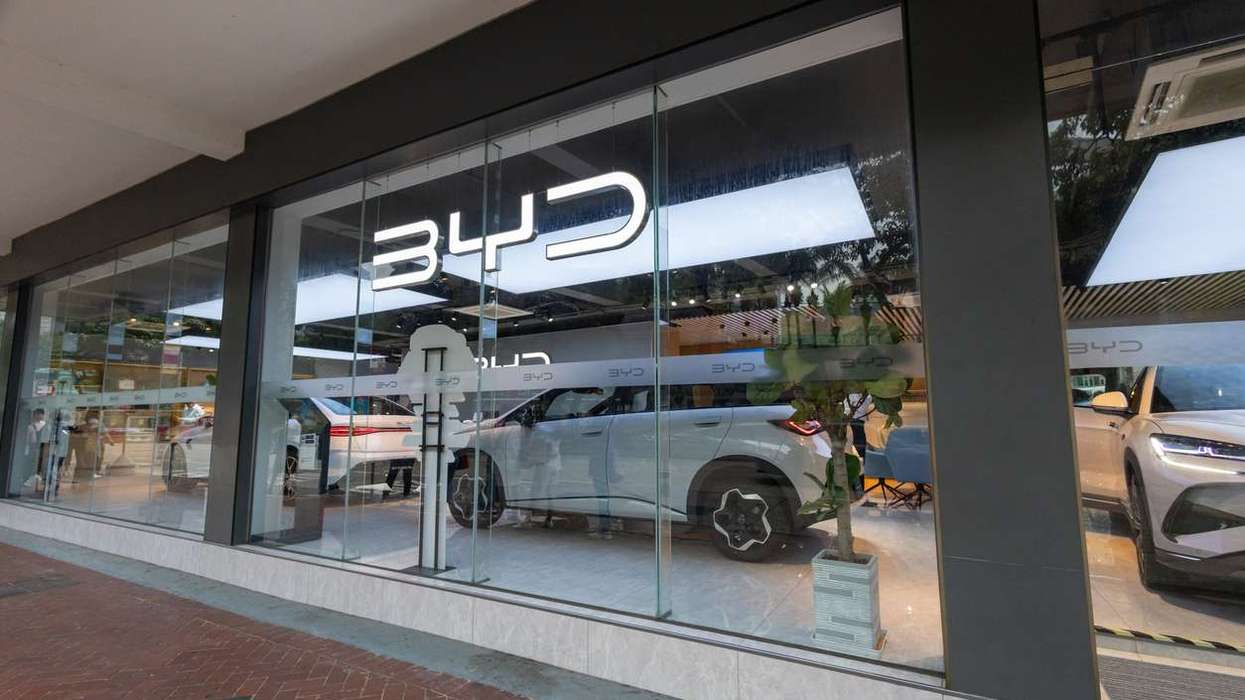
Prime Minister Keir Starmer is currently trying to reset relations with China, marking the first visit by a British prime minister in eight years. The trip has already produced early signals of cooperation, including China agreeing to cut tariffs on British whisky to 5 per cent from 10 per cent and allowing visa-free travel for UK visitors staying under 30 days.
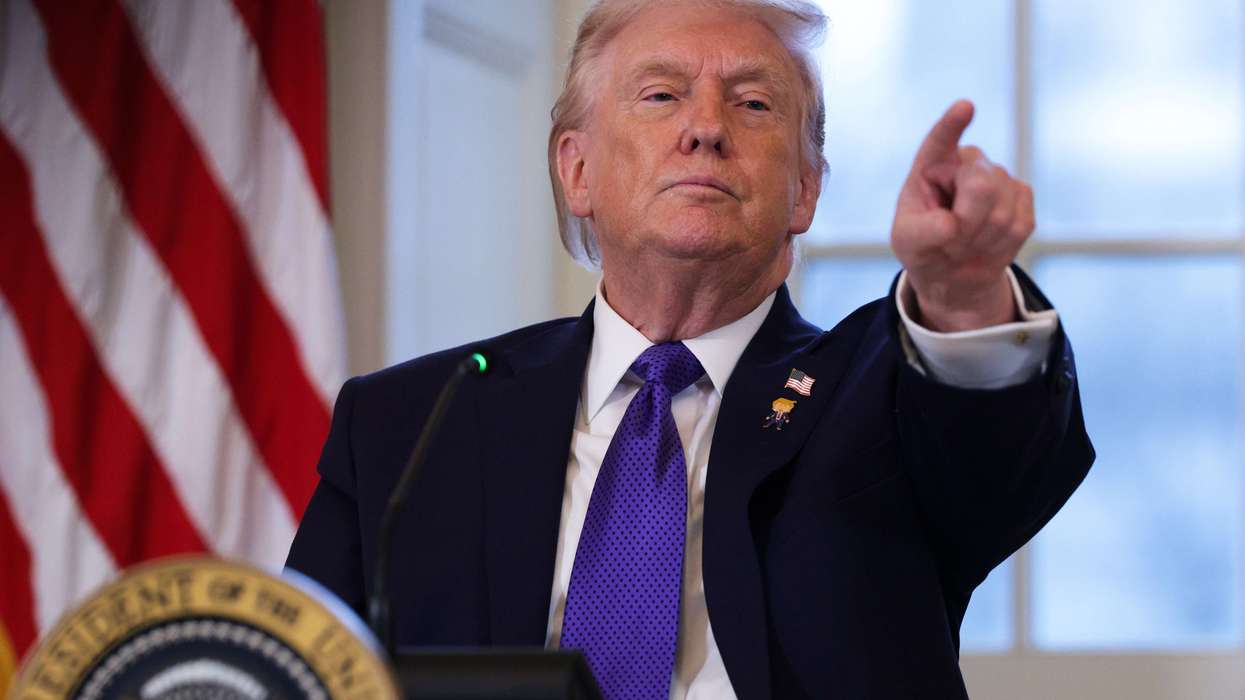
But across the Atlantic, the response has been less welcoming. Donald Trump has reportedly warned that closer business ties with China would be “very dangerous” for the UK, as quoted in a news report.
At the same time, Washington is stepping up trade investigations that could directly affect British exports.
Tariffs may be back
The US trade representative, Jamieson Greer, has launched investigations into around 60 countries, including the UK, to assess whether they are effectively blocking imports linked to forced labour.
While the probe does not single out countries directly, previous US statements have pointed towards concerns around China, particularly the Xinjiang region. The latest move appears to be another route for Washington to justify fresh tariffs after earlier ones were ruled unlawful by the US Supreme Court.
According to BritishAmerican Business, the outcome could be new or renewed tariffs on UK goods entering the US market. Its chief executive Duncan Edwards reportedly said tariffs should now be treated as “an enduring feature of US trade policy”.
That shift in tone matters. Businesses exporting to the US may now need to factor in tariff costs as a permanent risk rather than a temporary disruption.
Caught between two economic giants
The timing puts the UK in a delicate position.
On one side, there is growing economic engagement with China. Alongside trade concessions, companies such as AstraZeneca have announced major long-term investment plans, including a $15 billion (£12 billion) commitment to expand manufacturing and research in China through 2030.
On the other side, the US remains one of Britain’s most important trading partners — and increasingly assertive on trade rules linked to supply chains and labour standards.
The UK’s current framework, including the Modern Slavery Act, requires companies to report on efforts to tackle forced labour but does not impose a direct ban. That gap could become a point of friction as US scrutiny intensifies.
A spokesperson for the Department for Business and Trade said the government continues to engage with US officials and is working to ensure UK supply chains are not linked to forced labour.
For now, businesses appear to be watching closely rather than pulling back. But with tariff investigations expected to report in the coming months, the pressure on UK trade strategy may only grow.