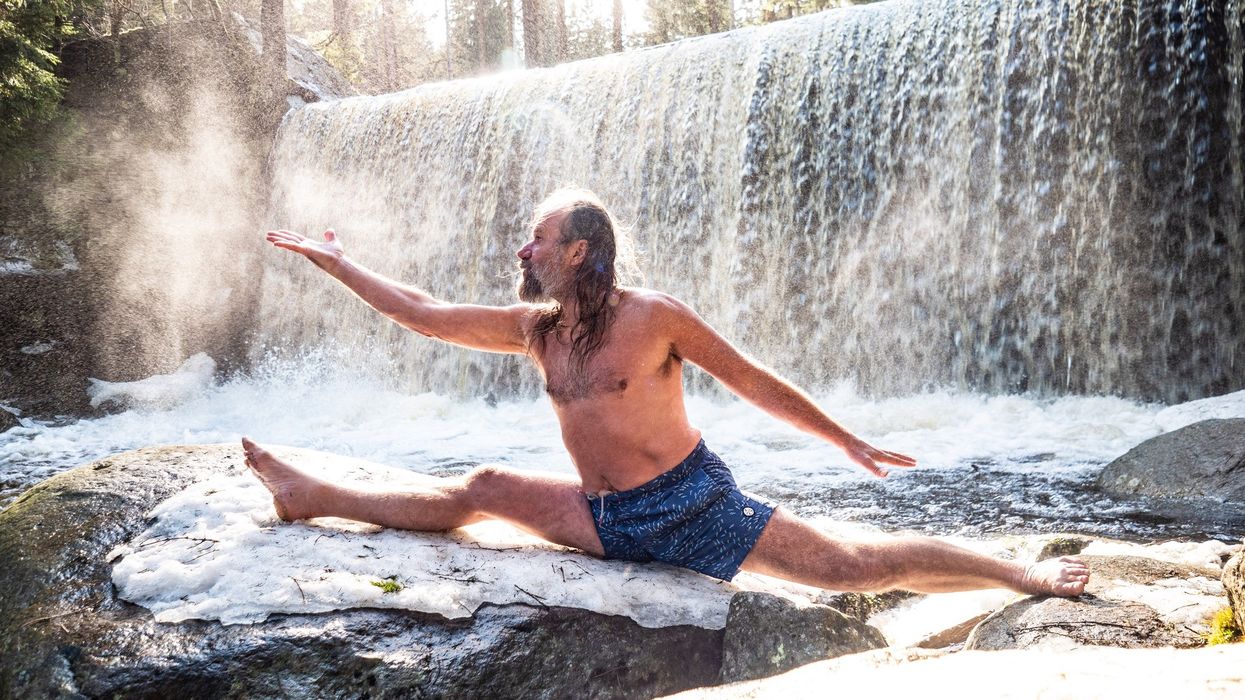

A recent study has shed light on the potential benefits of the Wim Hof method, popularised by Dutch athlete Wim Hof, also known as "The Iceman." This method, which involves a combination of deliberate hyperventilation and exposure to cold, has garnered attention for its purported physical and mental advantages.
However, experts caution that while the method may offer benefits, it is not without risks. Wim Hof gained fame for his extraordinary feats, including swimming under ice and running barefoot on snow.
He has since developed a business empire around his techniques, which emphasise conscious breathing and cold exposure, offering courses worldwide.
While previous studies on the physiological and psychological effects of the Wim Hof method have been inconclusive due to their small sample sizes, Dr. Omar Almahayni and Dr. Lucy Hammond from the University of Warwick conducted a systematic review of data from eight published trials to discern consistent patterns.
Their findings, published in PLOS ONE, suggest that practitioners of the Wim Hof method may experience increased levels of adrenaline and anti-inflammatory cytokines, along with a decrease in pro-inflammatory cytokines. However, the impact on exercise performance remains uncertain, with some studies indicating improvements while others show no significant difference.
Almahayni and Hammond assert that their study provides valuable insights into the method's potential as a complementary wellness approach. Nevertheless, they stress the need for further research to fully understand its effects on stress, inflammation, and overall health.
Dr. Matthijs Kox, an immunologist at Radboud University Medical Centre in the Netherlands, says “I think it is still early days to make a balanced scientific judgment about what the method might and might not do, but as far as inflammation goes, I think we’ve now got quite convincing evidence that it has the ability to dampen inflammation in an acute, ie short-term setting.”
Looking ahead, Kox proposes conducting randomised controlled trials involving patients with chronic inflammatory conditions to evaluate the method's efficacy.
However, Professor Mike Tipton from the University of Portsmouth's Extreme Environments Laboratory urges caution, noting that existing studies primarily compare the effects of the Wim Hof method to doing nothing. He emphasises the need to assess its benefits relative to other interventions and warns of associated risks, such as cold injuries and cardiovascular problems.
Previously, south Indian actor, Vidyut Jammwal had showcased his remarkable resilience and mastery of Kalaripayattu (an Indian martial art) by meditating buried in six feet of snow in the Himalayas, demonstrating unparalleled control over his body and breath.
Tipton advises individuals considering the Wim Hof method to consult a healthcare professional and take precautions to ensure their safety, including monitoring for signs of discomfort during cold exposure.
(With inputs from The Guardian)