
Skip to content
Search

Latest Stories

Submit Guest Post

Tata Power set to resume long-term supply after Gujarat clears pact

The agreement comes as India seeks to maximise power output from coal plants amid an escalating Middle East conflict, which is expected to lead to a gas shortage during summer.

Tata-Power

The plant has not operated for the past six months after the government last year withdrew the emergency clause that compensates companies for generating power using imported coal.

Tata Power

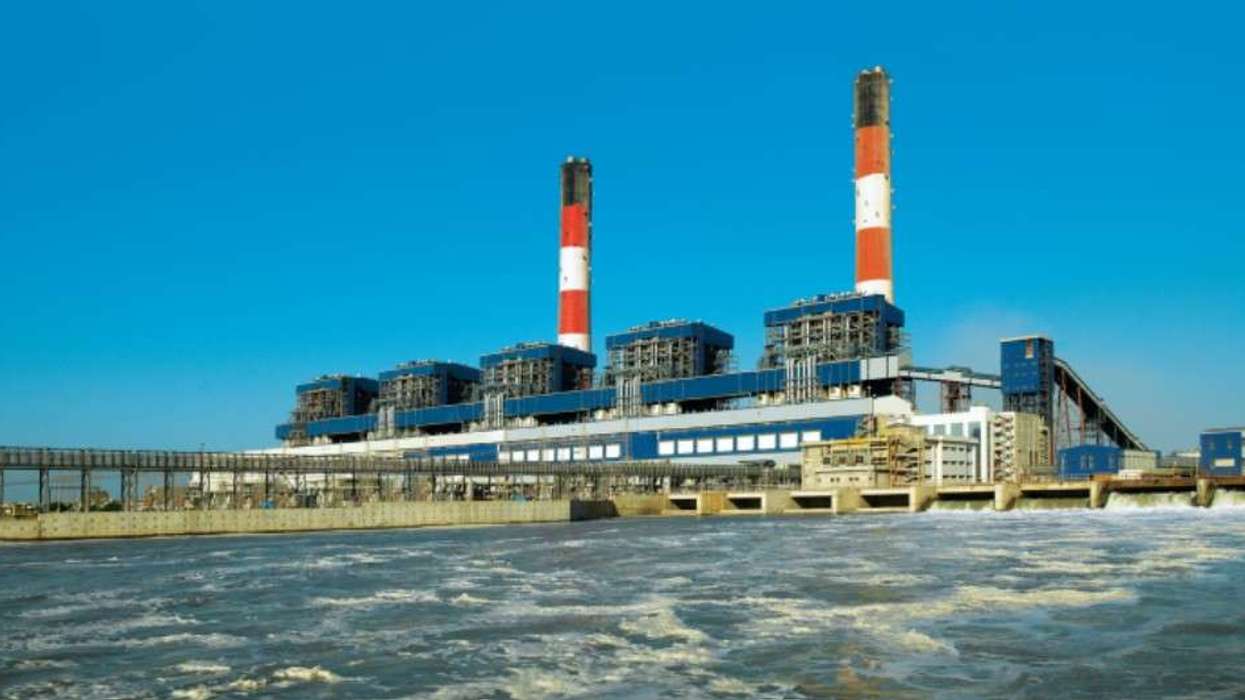
GUJARAT has approved a revised power supply agreement with Tata Power, allowing the company to resume long-term supply from its 4-gigawatt Mundra plant, according to a government document seen by Reuters.

The imported coal-fired plant has not operated for the past six months after the government last year withdrew the emergency clause that compensates companies for generating power using imported coal.


The agreement comes as India seeks to maximise power output from coal plants amid an escalating Middle East conflict, which is expected to lead to a gas shortage during summer.

The deal requires approval from the federal power regulator and would take effect retrospectively from April 2025.

The document did not provide details on the exact pricing of the power supply but stated that Gujarat has mandated that the price must not exceed that paid by other states.

Tata Power and the Gujarat government did not immediately respond to emails seeking comment.

The company’s shares were up 3.3 per cent in early trade at 411 rupees at 0400 GMT in Mumbai.

(With inputs from Reuters)

Add EasternEye As Your Trusted Source
preferred source on google news

More For You

UK food imports

UK food and drink producers are facing weaker exports as imports remain near record levels.

Getty Images

Why Britain is importing more food while UK producers struggle to sell abroad

  • Britain’s food and drink trade deficit has passed £21bn.
  • UK food export volumes fell 11.7 per cent in the first half of 2026.
  • Food imports reached 19.1bn kg, the second-highest level on record.

Britain is importing more food while its producers are struggling to sell as much overseas, pushing the country's food and drink trade deficit towards its highest level this century.

The gap between exports and imports has risen to more than £21bn, according to analysis by the Food & Drink Federation (FDF), as UK exporters face a combination of higher costs, trade disruption and weaker demand in some overseas markets.

Keep ReadingShow less