
A NEW exhibition on south Asian cricket in the UK has opened at the community gallery at the MCC Museum at Lord’s.
It reflects a more inclusive approach to the game by the MCC (Marylebone Cricket Club), which has been famous over the centuries for being a stickler for tradition.
The exhibition on how Pakistanis in the main formed their own clubs in Yorkshire will run for two years.
Titled The many worlds of British Asian cricket, it includes the crests of several clubs set up by early immigrants, who found they could not get into the white clubs.
The images of the crests, blown up for display, include those of Bradford Eagles, Azeem’s Cricket Club, Toqueers Tigers, and Asian Tigers Cricket Club. Also on display is the Quaid-e-Azam Trophy.
Lord’s is generally referred to as “the home of cricket”. The wicket where the game is played is called “hallowed turf”.
To put the MCC’s journey into context, it is worth pointing that the organisation, founded in 1787, did not allow women into the Long Room at Lord’s until as recently as 1999. It remains a must for gentlemen to wear ties in the Long Room.
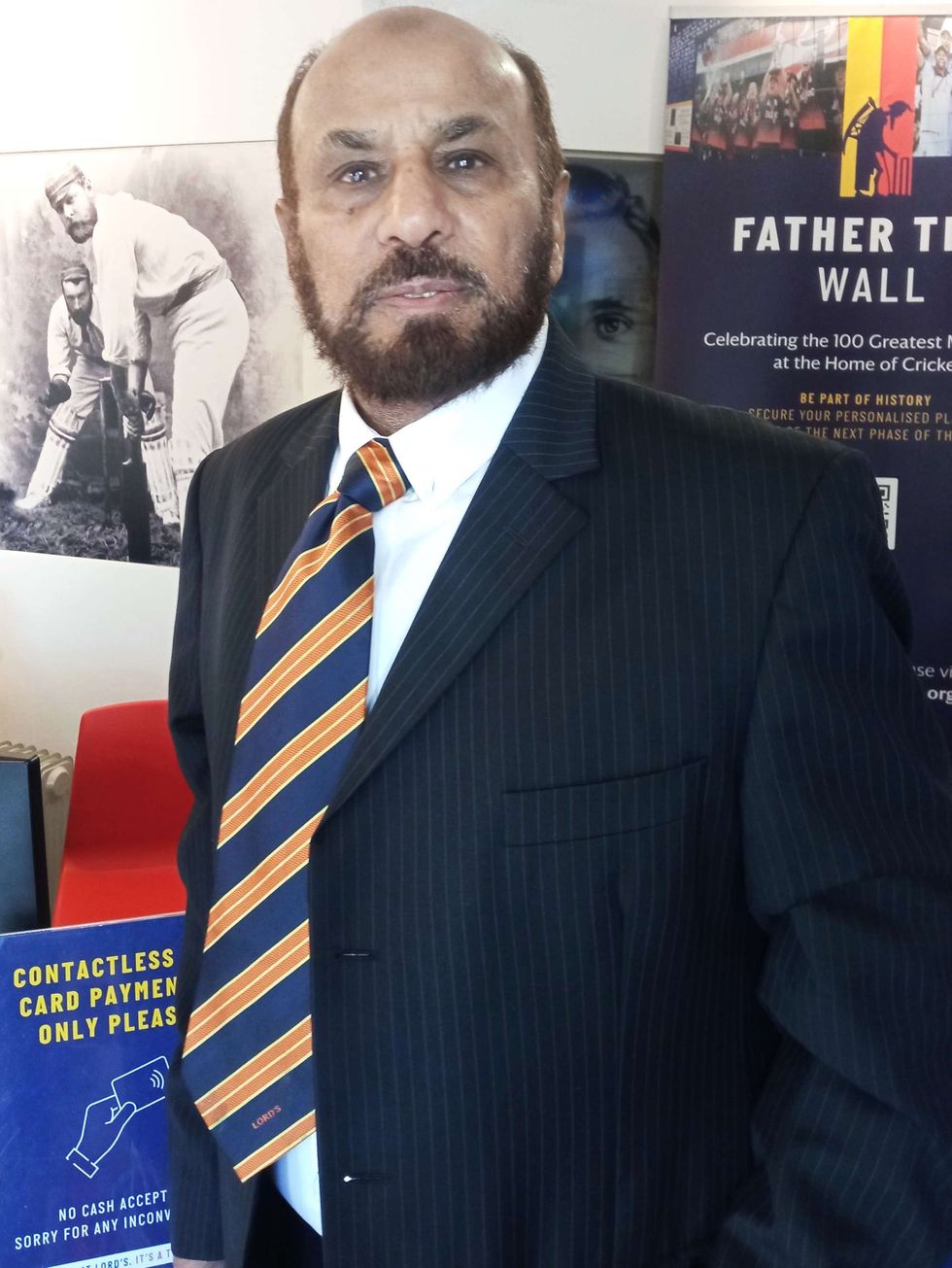 Solly AdamMCC
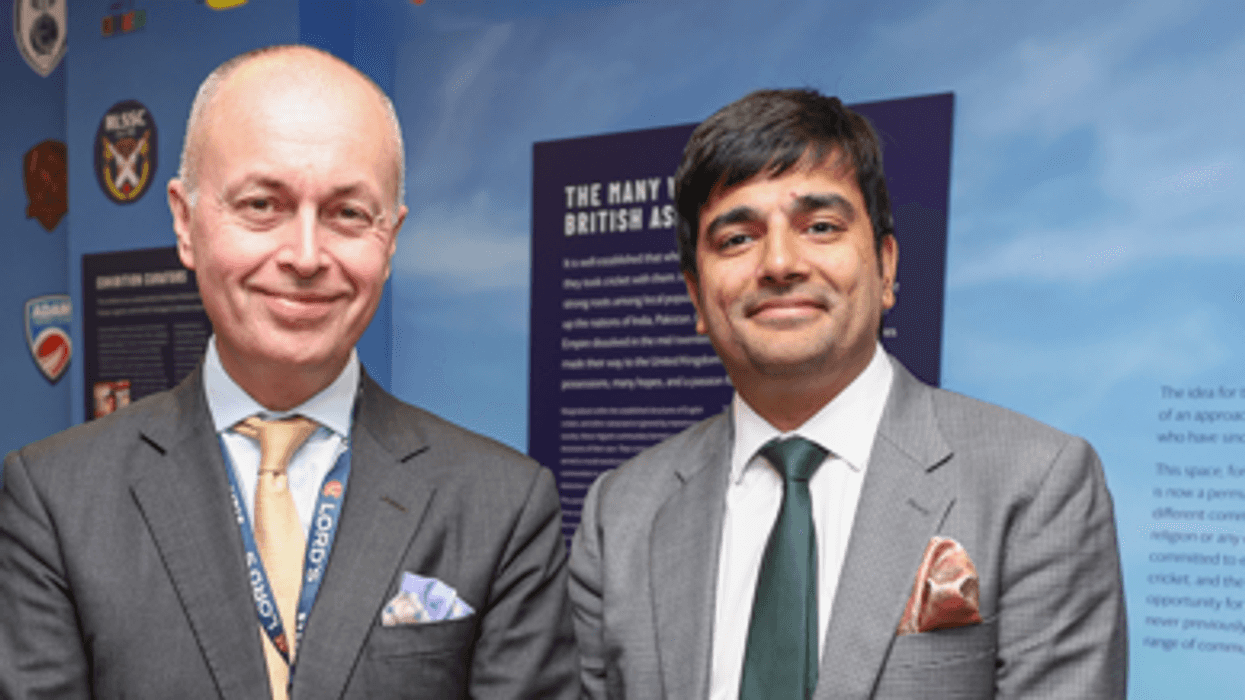
The new exhibition has been co-curated by Prof Prashant Kidambi, a historian based in the Centre for Urban History at Leicester University, and his PhD student, Dr Amerdeep Panesar, who tracked down and interviewed 30 to 40 people recalling the old days when the clubs were founded.
Kidambi, author of Cricket Country: An Indian Odyssey in the Age of Empire, emphasised the exhibition had brought in “all the different communities and countries that form south Asia”.
He said: “In telling this story, we want to hold up a mirror to English cricket.”
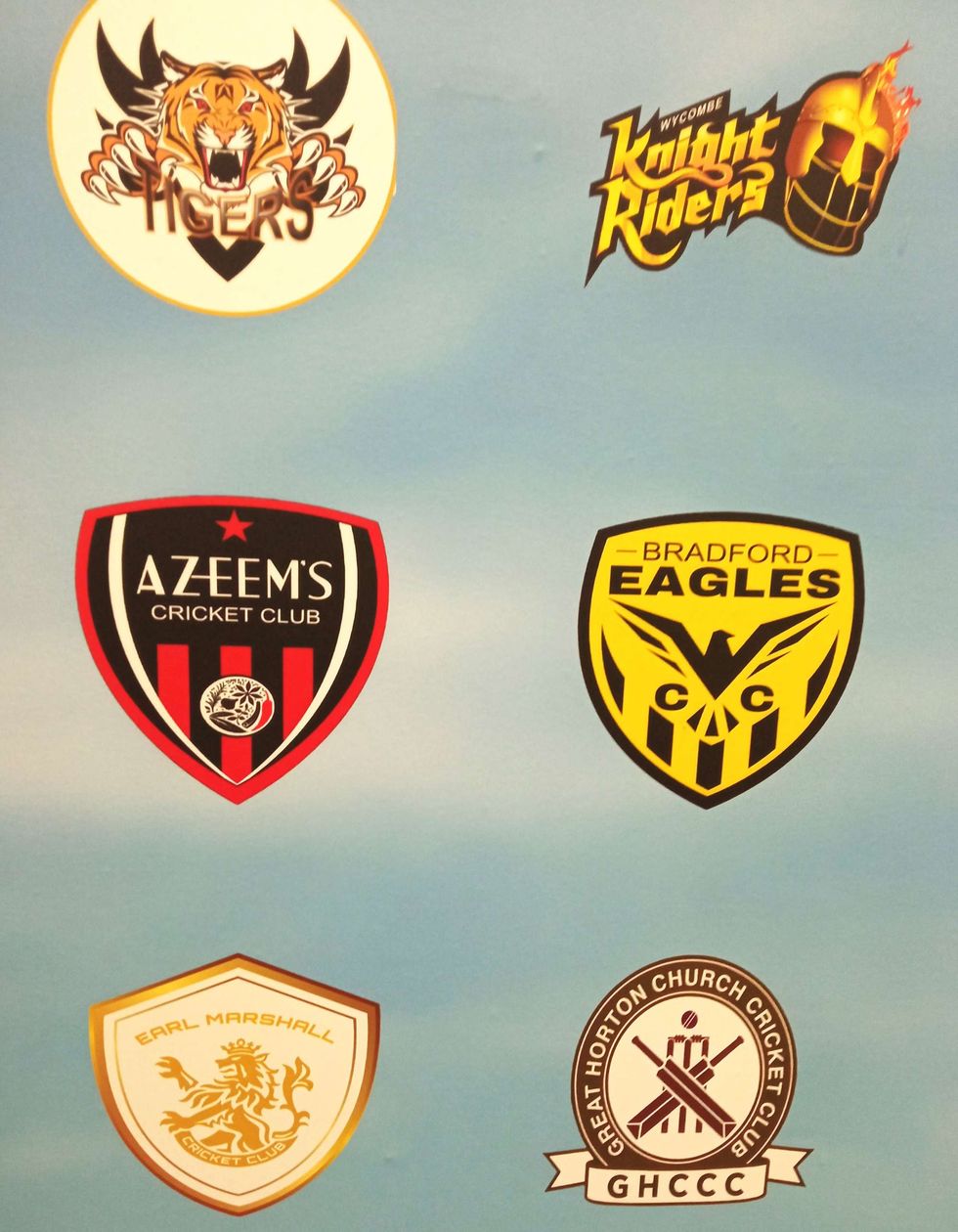 The crests of some of the clubsMCC
Panesar (no relation of Monty Panesar, whose 2007 Test match shirt is displayed) said: “We want to make this archive more representative of English cricket, and a massive untold part of that story were the contributions of the south Asian community cricket in England.
“From the grassroots right to the professional level, south Asians have enriched the (English) game.”
A central role in putting the exhibition together was played by Neil Robinson, MCC head of heritage and collections, who told Eastern Eye: “The community gallery was specifically intended as a space where individual community groups could come in and tell their own stories of their cricket heritage in their own words, using their own objects, but with our facilities and expertise.”
The first exhibition, on Jewish cricketers and some of the anti-Semitism they faced, ran from 2024 to 2026. The next one might be on cricketers with disabilities.
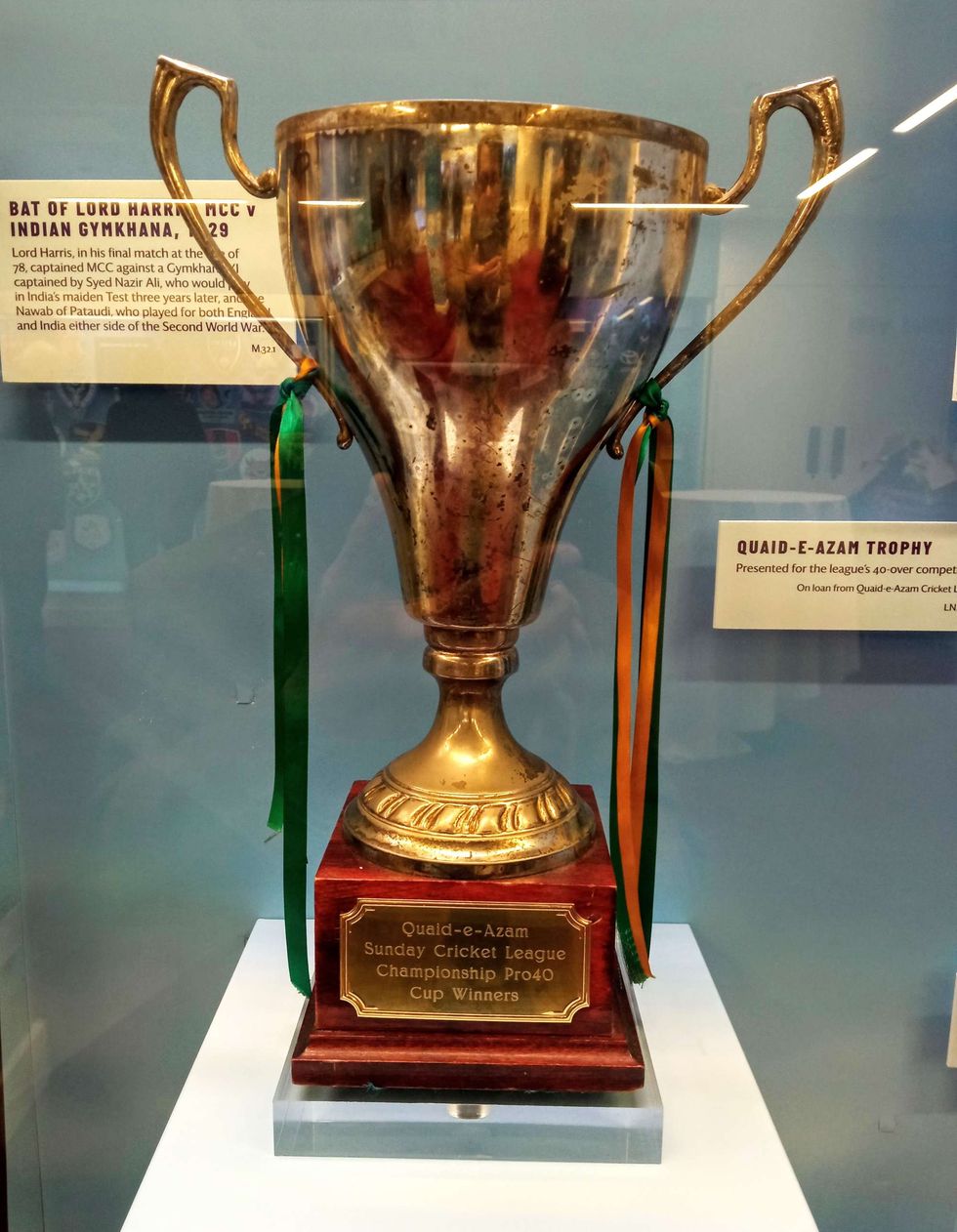 The Quaid-eAzam TrophyMCC
Robinson said: “At the same time, we were running a research project, collecting oral histories of British Asian cricket going back to the 1960s. This was a PhD research project we ran with the University of Leicester. So, it seemed a natural fit for that to follow on from the Jewish exhibition. We would put on an exhibition that would tell the stories that our student, Amerdeep Panesar, had collected in those oral histories in a more visual and immediate kind of way.”
He agreed the Asian clubs were set up – mostly by Pakistani immigrants who arrived in Bradford, Dewsbury and other places in Yorkshire from Mirpur – because they were barred entry by the existing white clubs.
Over time, the clubs evolved and helped immigrants settle in their new homeland by developing a sense of community.
“It is certainly true that you had parallel structures, leagues and clubs emerging outside of the mainstream, specifically catering to an Asian cricketing demographic,” acknowledged Robinson. “Large numbers of Asian migrants came over here in the ’60s and ’70s and found a cricketing culture here in England that either they didn’t feel welcomed into or was completely alien to them. These parallel structures grew and thrived, and then later, waves of migrants came over and found these structures already existing, so there was no real need for them to think about integrating into the white structures.”
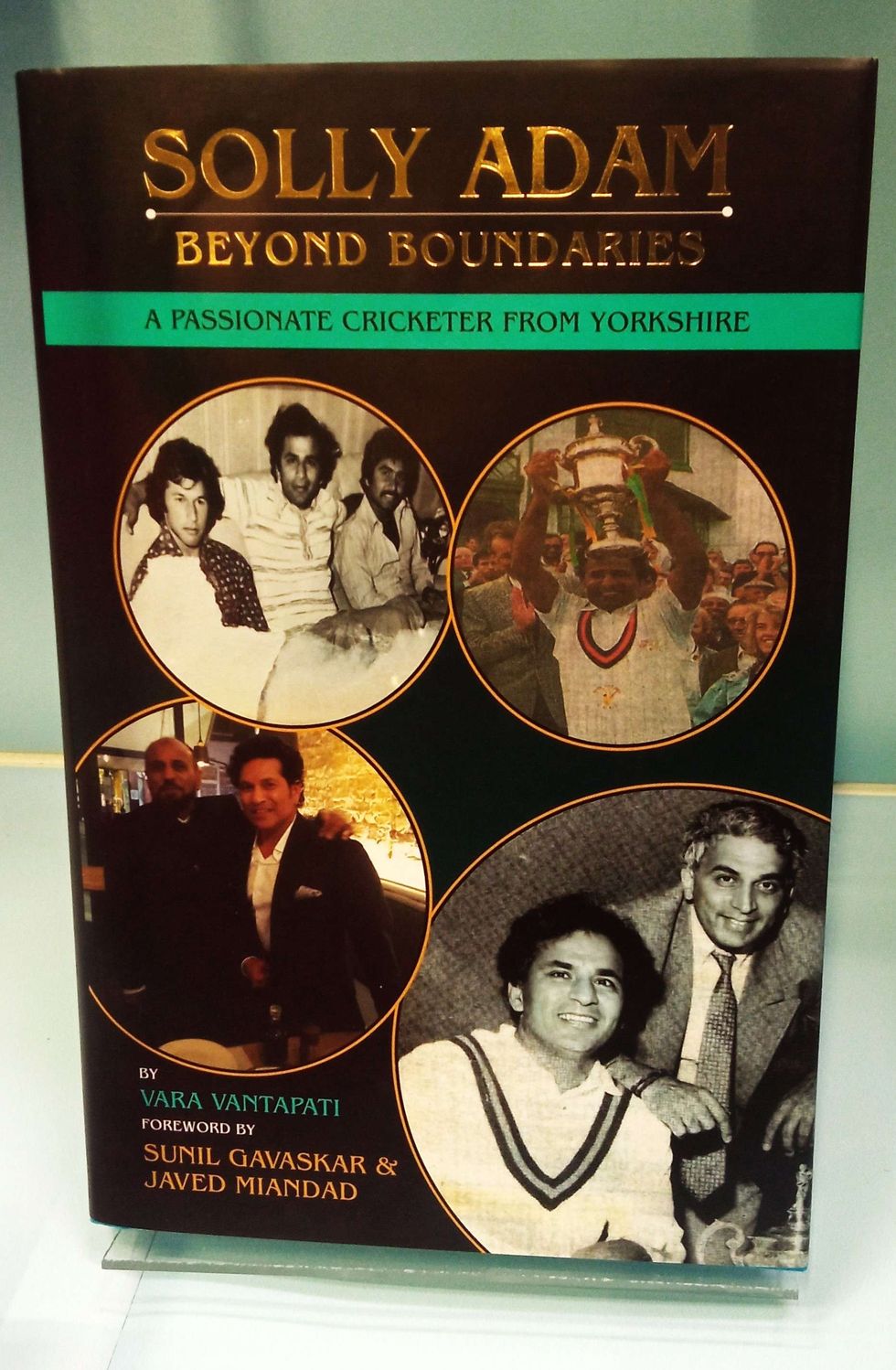 The cover of 'Solly Adam: Beyond Boundaries: A Passionate Cricketer from Yorkshire'MCC
Robinson added: “The game in England is becoming more reliant on Asian participation in order to keep the feed of players coming through into the professional levels of the game.
“It’s increasingly important for the success of English cricket that Asian cricketers are brought through into county and international level as part of the England mainstream set up. You’re seeing more white participation in Asian cricket leagues as well as more Asian participation in white cricket leagues so that the dividing line isn’t quite so stark as it once was.”
On the community gallery, he said: “In an increasingly multicultural society, it’s really important that we have these spaces where people from different backgrounds and cultures can come together.
“A major thread in our exhibition is we tell the story of Solly Adam, who played in some of the earliest Asian cricket clubs in Yorkshire, like Batley Muslims. And he later became a successful businessman and was responsible for brokering a lot of deals. He became a key conduit for a lot of Asian cricketers coming over to play club or county cricket in England. He was at least in part responsible for getting Sachin Tendulkar over to play for Yorkshire.”
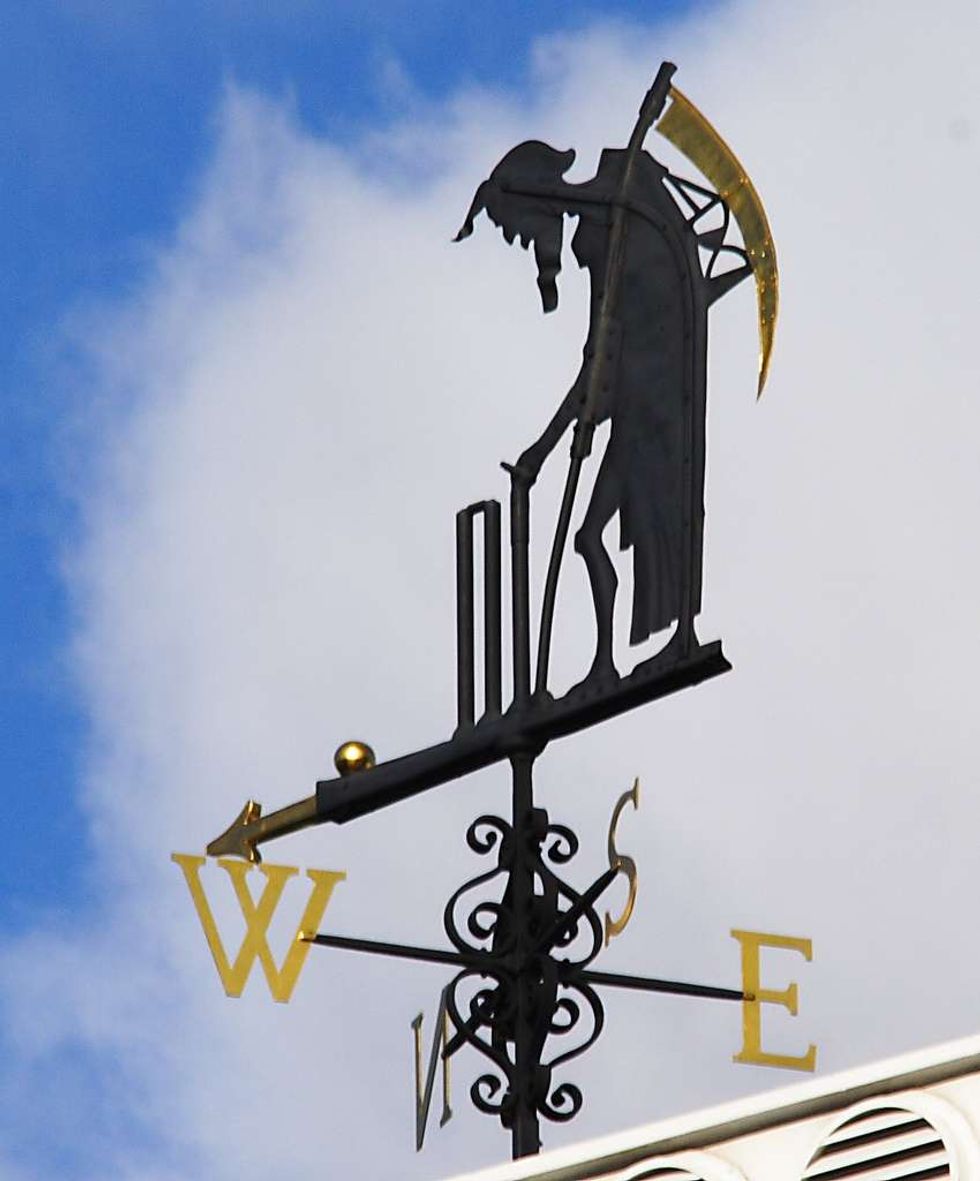 The Father Time weathervaneMCC
Since cricket lovers from all over the world visit the MCC Museum, Robinson promised that for the next couple of years, “the new exhibition in the community gallery will be the starting point of every Lord’s tour, a recognition of the increasing importance the south Asian demographic has had on our visitor numbers in recent years.”
On display is the biography, Solly Adam: Beyond Boundaries: A Passionate Cricketer from Yorkshire, which tells of the many cricketers he brought over from Pakistan and India to play league cricket in Yorkshire.
Tendulkar, at the age of 15, declined because he wanted £100 a week (he was offered £30), but others – among them Vinod Kambli, Iqbal Qasim, Imran Khan, Javed Miandad, Abey Kuruvilla and Sairaj Bahutule – were paid from £25 to £50 a week.
“Sachin never played club cricket,” said Adam, who had a hand in arranging for 19-year-old Tendulkar to become the first overseas player to play for Yorkshire in 1992.
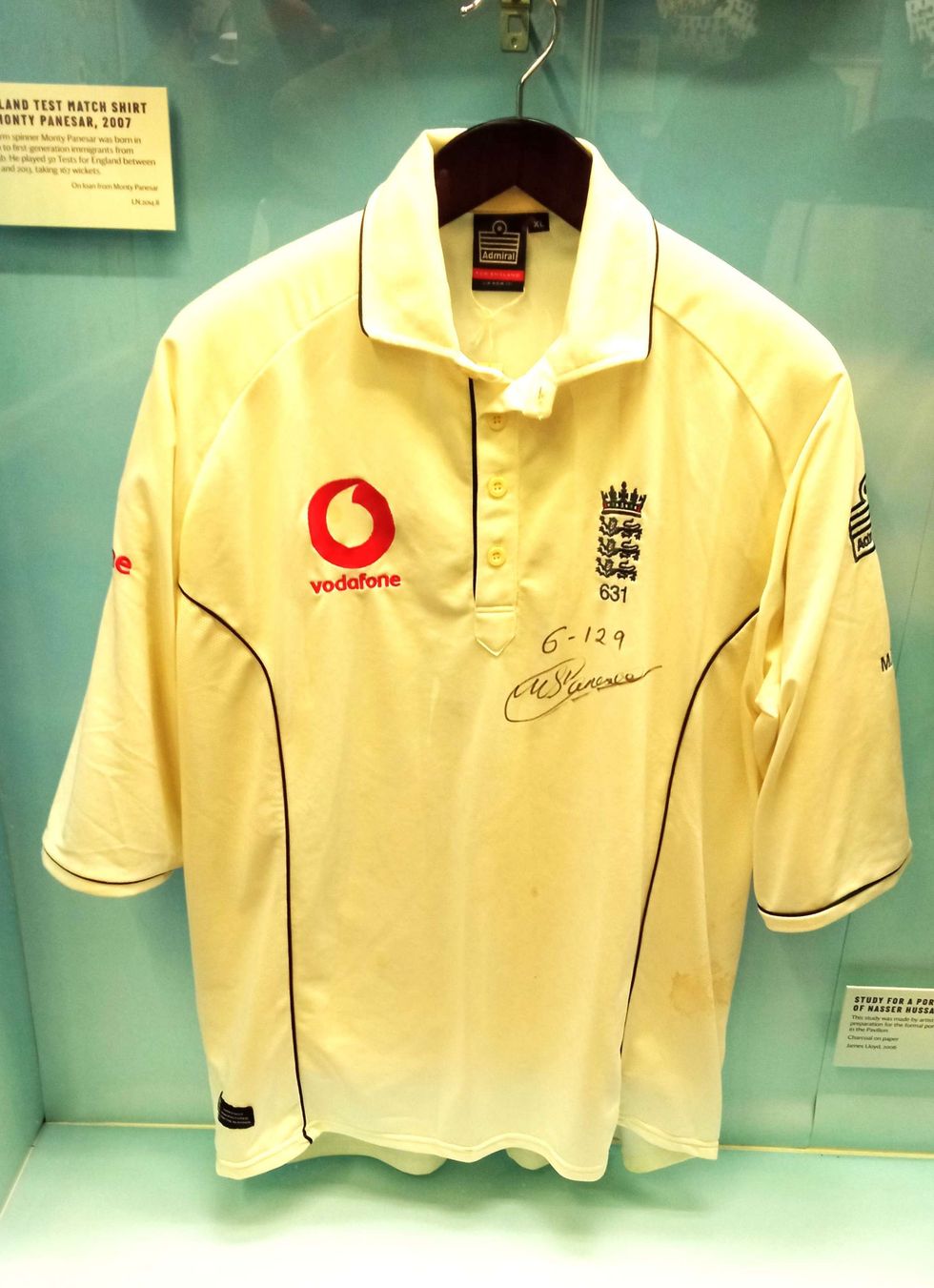 Monty Panesar’s 2007 Test match shirt on displayMCC
Adam, who now considers himself a Yorkshireman, said: “I was born (Suleman Adam) in Surat in Gujarat (in 1945), but I have been living in England since 1963. I brought over a lot of cricketers, not as their agent, but for the love of the game.” The deputy Indian high commissioner, Kartik Pande, said “the cricketing bond is tended by south Asian diasporas across the United Kingdom”.
There was a reference to Father Time, the iconic 6ft 6in black cast-iron weather vane at Lord’s, which will have witnessed many changes over the years.
Emma John, chair of the MCC heritage & collections committee, observed in passing: “It is Father Time’s 100th birthday this year. So make sure that next time you see him, you just wish him a little happy birthday.”
Possibly a Namaste or a Salaam-Alaikum, perhaps even a Kem cho.