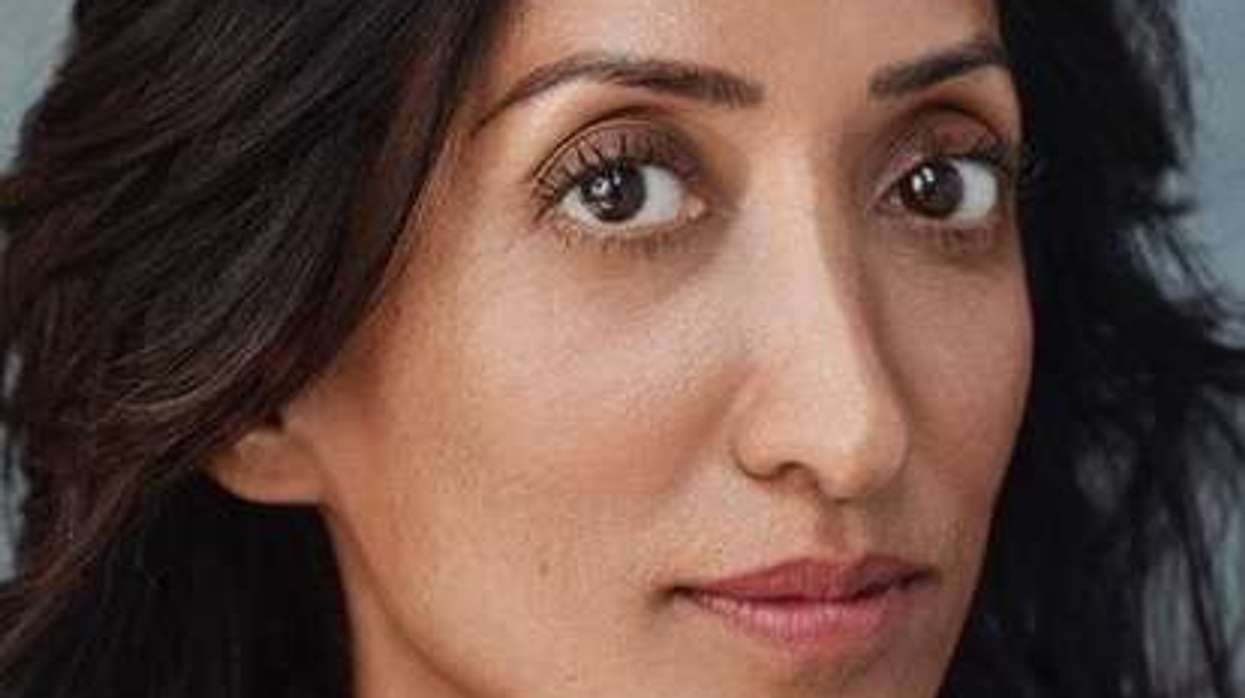

A NEW film starring Shazia Mirza and Sasha Vadher that explores faith and family in a contemporary setting will be screened at the UK Asian Film Festival.
Directed by Marcus Flemmings, The Model follows Daisy (played by Vadher), a young London-based model raised in a strict Muslim household, who is tasked with scattering her estranged Christian father’s ashes in Morocco.
Comedian and actress, Mirza, 48, plays a mother grappling with her young son’s relationship in the film, and told Eastern Eye, “I tend not to play into stereotypes. I always try to do something different, to portray the truth of how things really are, rather than how people perceive us to be.”
Though the role is relatively small, Mirza was drawn to its nuance.
“It was something different. I liked the script and liked the idea,” she said.
Themes of identity, intergeneration trauma and how religion intersects with culture are part of the film’s plot.
Reflecting on growing up in Birmingham as the daughter of Punjabi Pakistani parents, Mirza recalls a markedly different social climate.
“If you saw an Asian girl with a black man, it was considered the worst thing in the world,” she said. “People in the street would point and stare, and parents would say, ‘Don’t ever do that.’” She is careful to contextualise this, describing it as a reflection of the culture at the time, rather than overt racism.
“You did not marry a black man or a white man,” she added, highlighting the rigidity of expectations placed on young women within many communities.
Yet even within those constraints, there were contradictions. “In our hearts, all Asian girls growing up had this fantasy of marrying a Hollywood white man – Tom Cruise, Richard Gere,” she said.
The contrast between what was imagined and what was permitted underscores the generational tensions that films like The Model seek to explore.
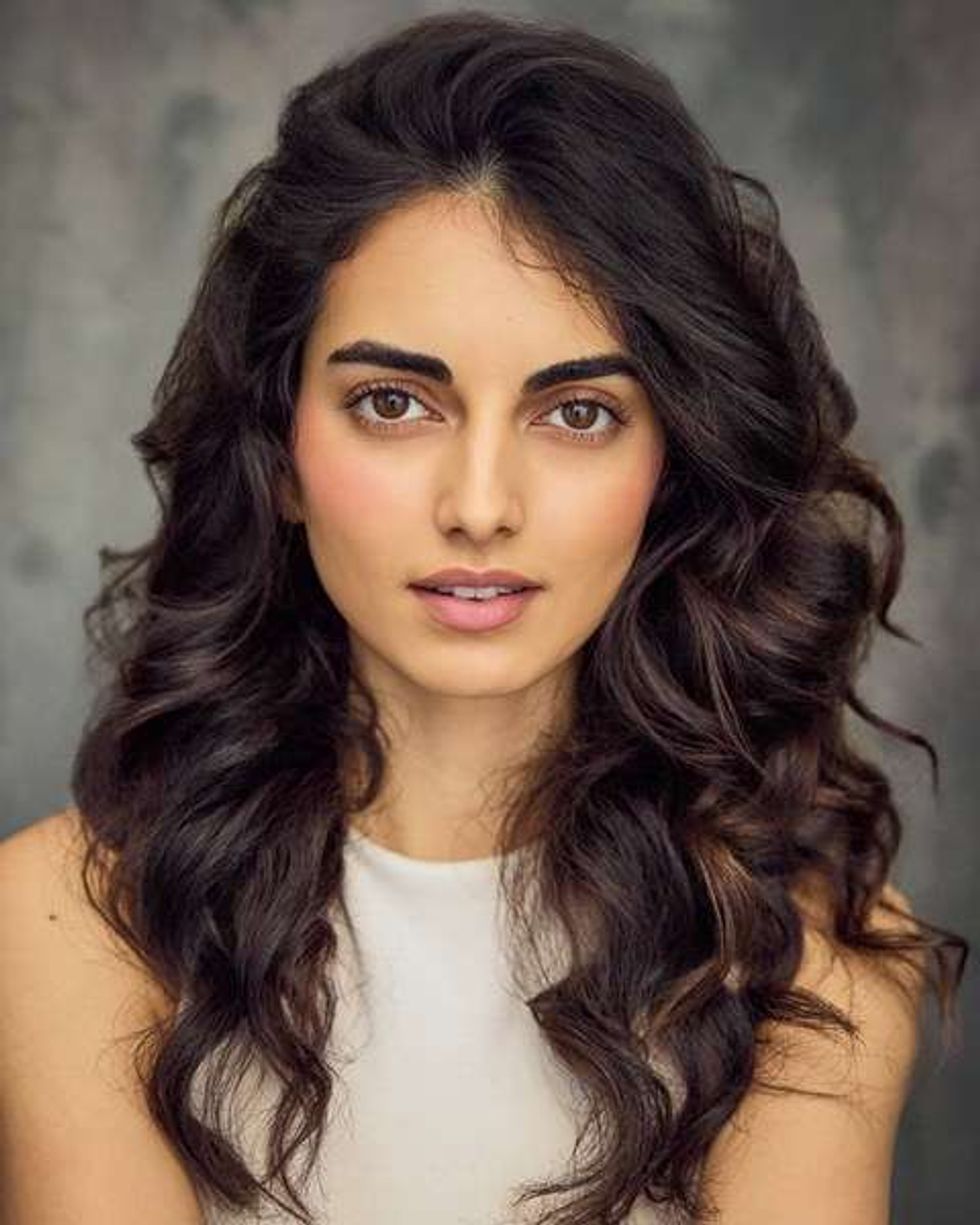 Sasha VadherEastern Eye
Mirza said, “Now I have many Asian friends, many Muslim friends, who have married white men. It is more acceptable; it is no longer such a taboo.”
And the impact of visible intercultural relationships in public life is not lost on her, reinforcing her belief in the power of representation.
“If you can see it, you can be it. We never saw it, so we never thought it was possible. Now it is possible,” she said.
Before entering comedy, Mirza studied biochemistry at the University of Manchester and trained as a teacher, later working in east London classrooms. She eventually moved into performance, studying acting at Rose Bruford College while working as a supply teacher.
Mirza established herself as a distinctive voice in comedy, confronting issues of race, religion and gender with unflinching honesty. Despite her success in comedy, Mirza acknowledges that dramatic acting presents a different challenge. At the same time, she sees comedy itself as a powerful tool for change.
“In comedy, you can honestly tell the truth – but you can do it in a funny way,” she said. “You can make jokes about famine, war, death, genocide – whatever you like.
“People may not agree, people may find them offensive, but you have the right to stand on stage and say it.”
It’s why comedy can be both controversial and transformative, in her view.
Like Mirza, Vadher, 27, found a personal connection to the film’s themes. Her character, Daisy, is of dual heritage, navigating the expectations of two cultural and religious backgrounds – a dynamic that resonates with Vadher’s own experience.
“It is about having different expectations from two contrasting backgrounds and two contrasting religions. It was very poignant to me, personally, because it is something I have also experienced.”
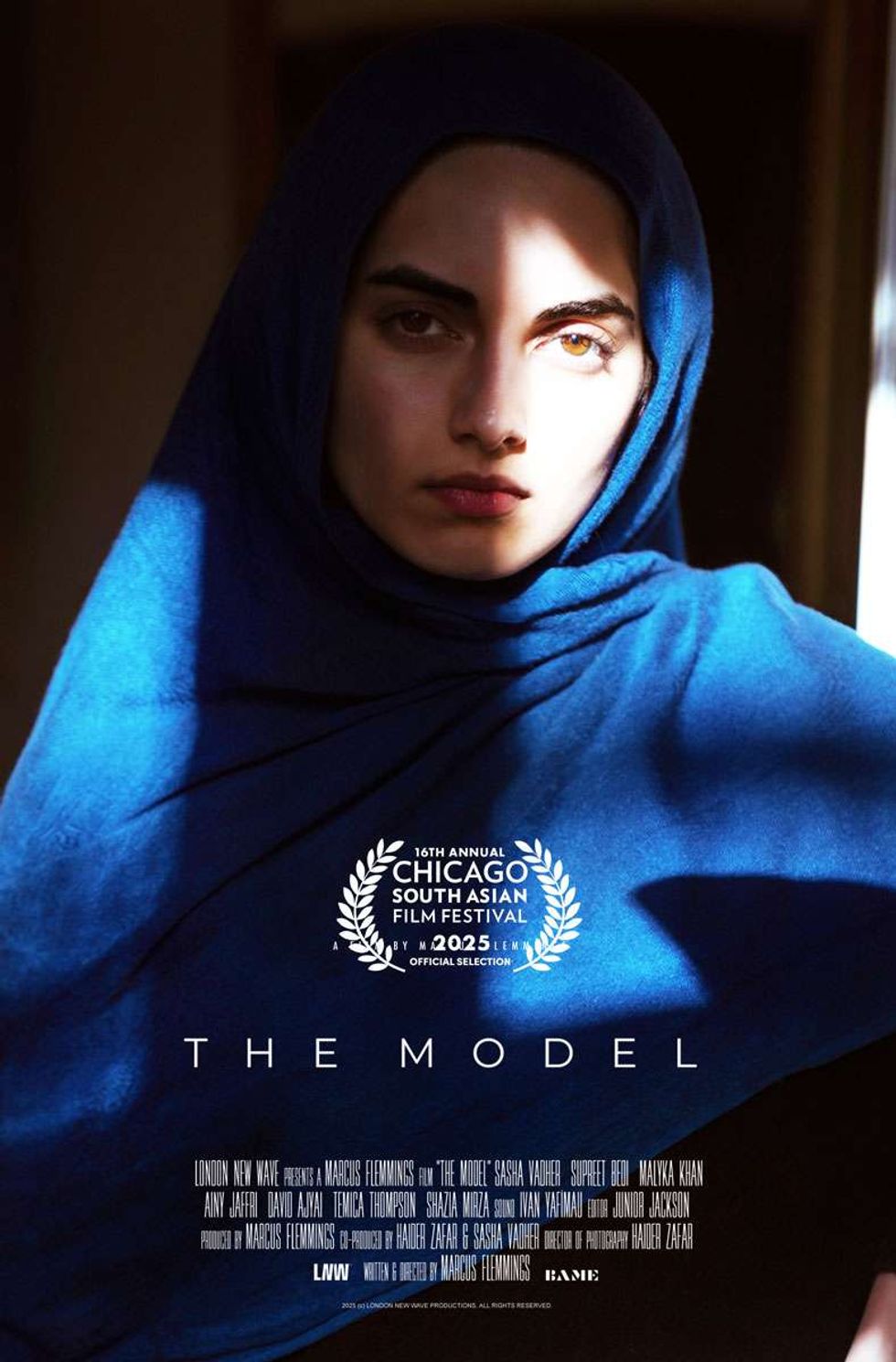 Poster of The ModelEastern Eye
She noted a change from south Asians playing stereotypical characters to “seeing excellent British Asian stories, and a lot more representation”.
However, she said, “In the industry, I think there is still a certain element of being typecast for certain roles. But from my experience, this is getting a lot better, and the roles are really broadening out.”
For Vadher, the aim is to sustain that momentum. “There is something in this film for everyone,” she said. “There are so many topics covered and so many layers to it that everyone can find something they relate to... We need far more entertainers.”
The Model will screen at the UK Asian Film Festival 2026 on May 8


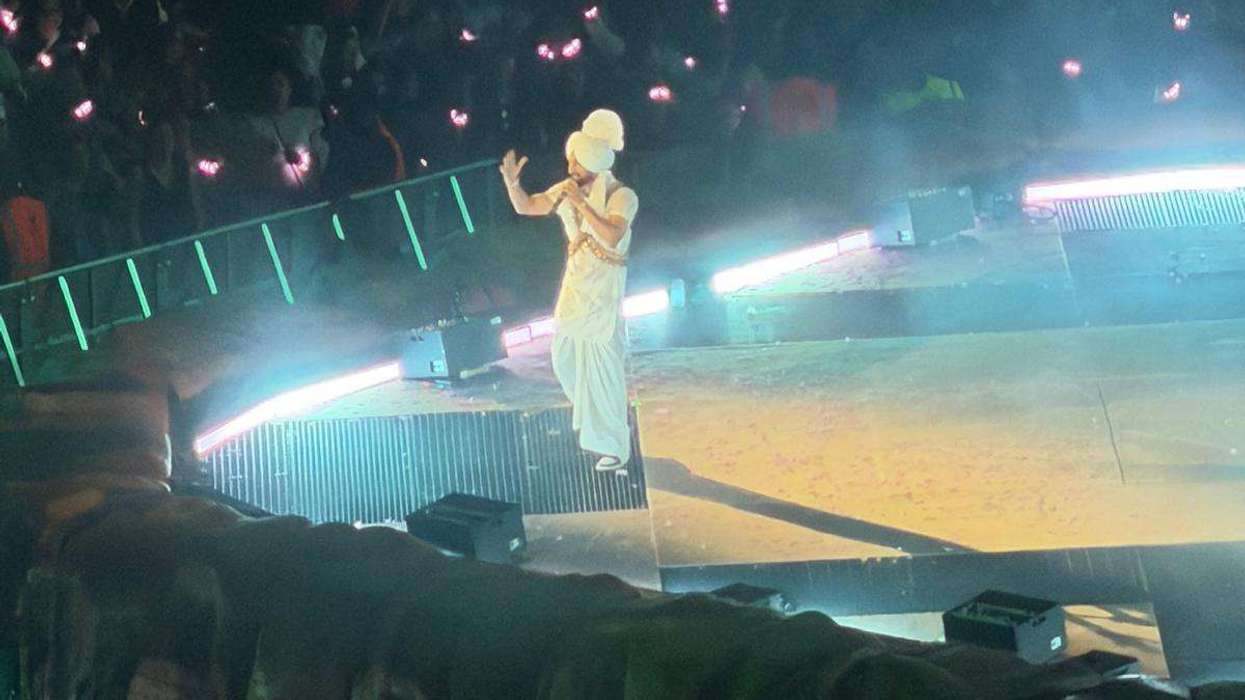
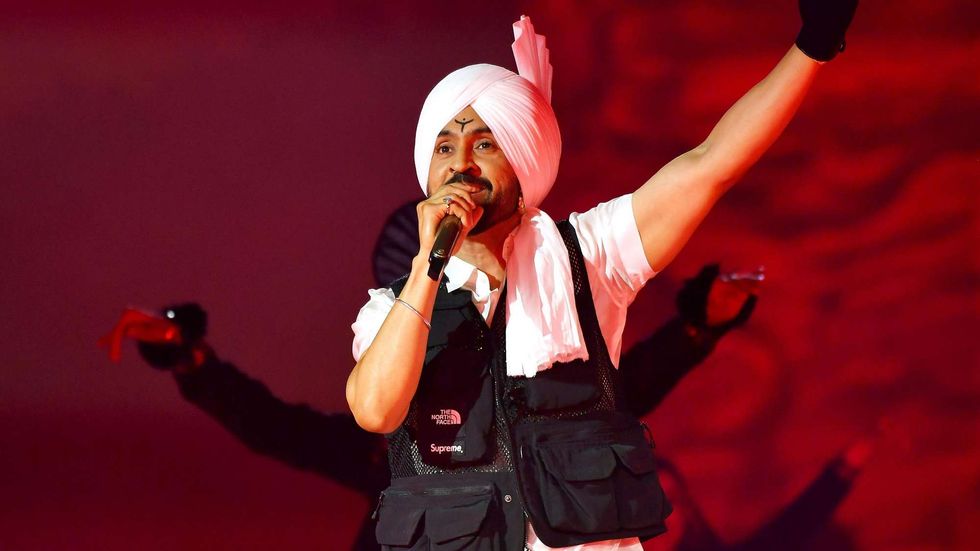 Diljit DosanjhEastern Eye
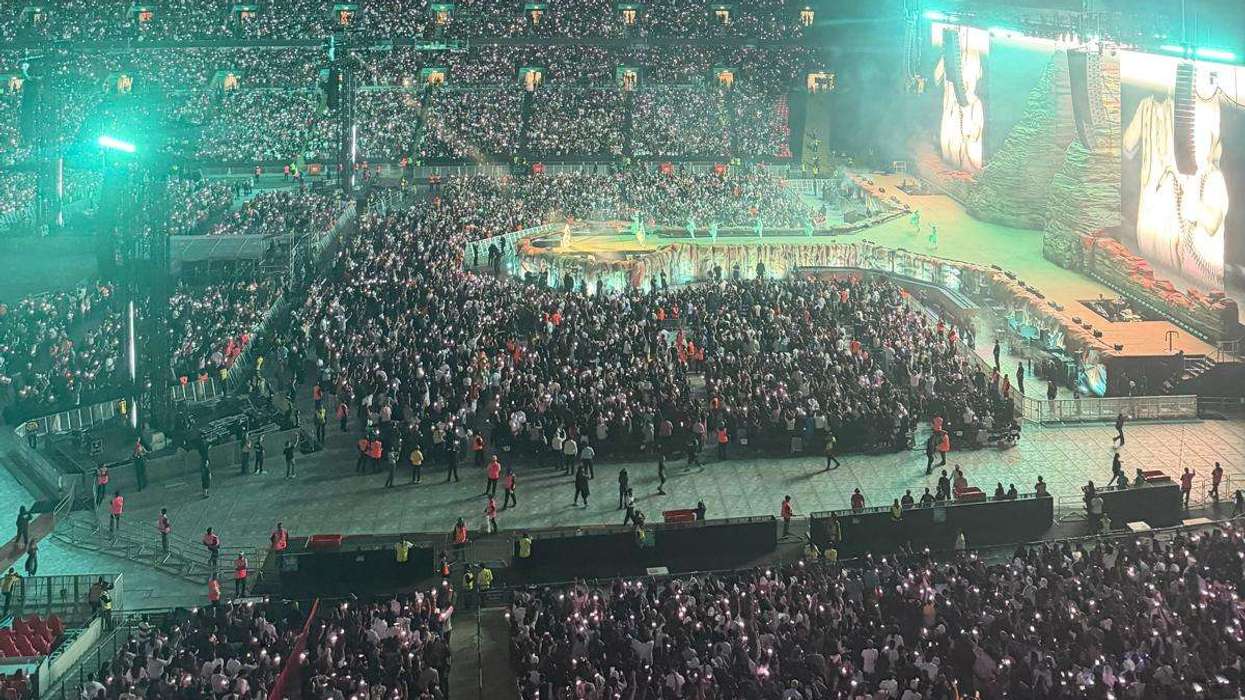 A packed audiencePhoto: Surina Narula
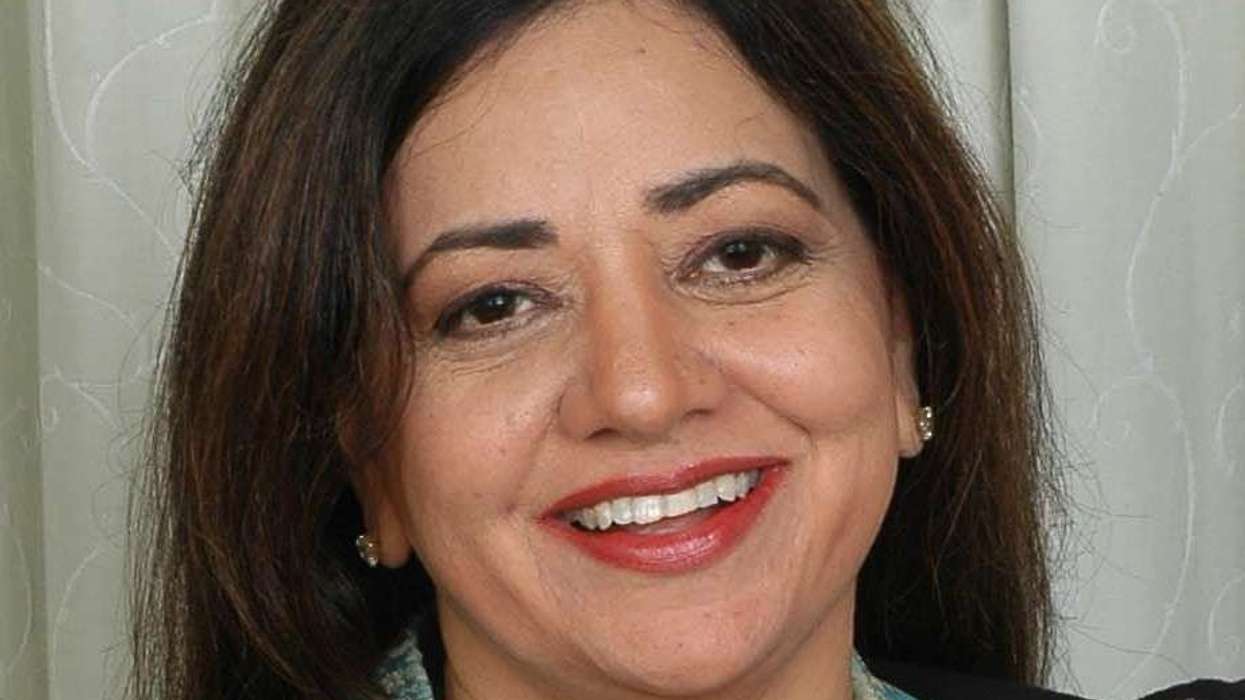 Surina NarulaPhoto: SN 14