
Highlights
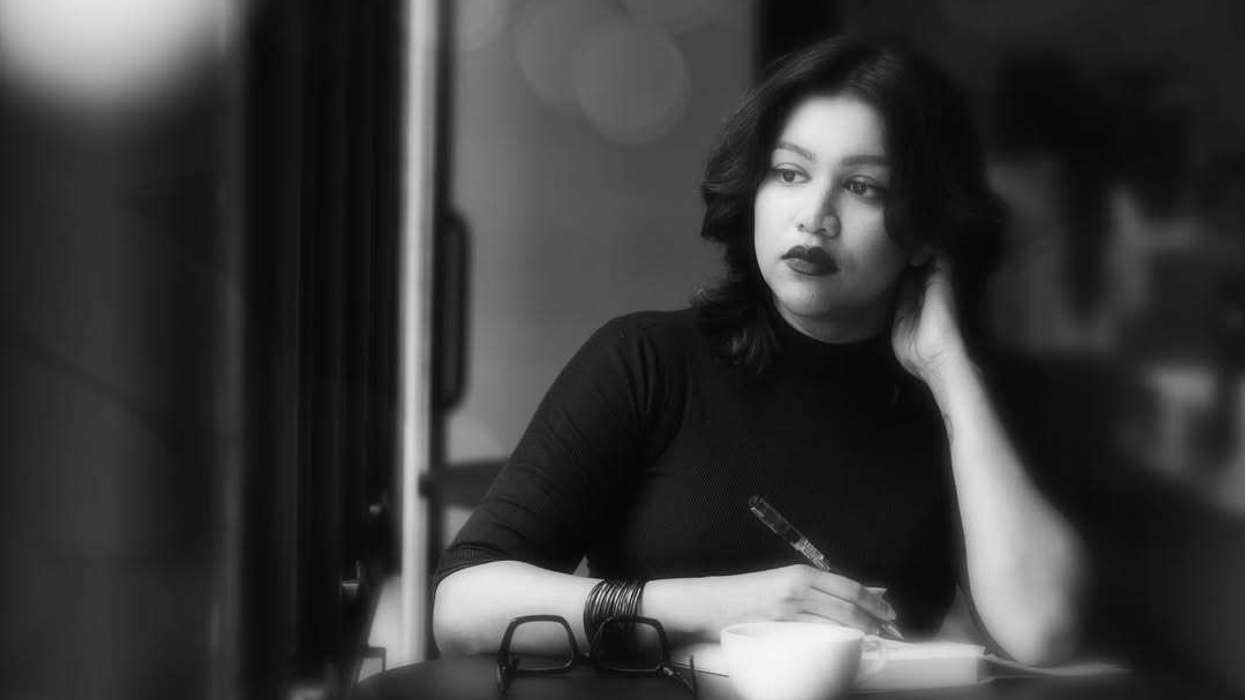
- Fathima Hakkim said art first became a form of escape while growing up in Kerala
- She went from carrying paintings across India to working with Netflix, Nike, Google and HarperCollins
- She also opened up about marriage, motherhood and writing her memoir Brown Sheep Baggage
Art became her escape before it became her career
Growing up in Kerala in what she described as an orthodox Muslim household, Hakkim often felt her future had already been mapped out. Expectations around marriage and domestic life felt far louder than conversations about ambition.
At school, things were not much easier. She has spoken about being neurodivergent in a system that struggled to understand her, leaving her feeling out of place academically and socially.
Art became the one space where she felt in control. She would rush through exams just to draw on the back of answer sheets, finding comfort in creating worlds of her own.
“When I made art, I wasn’t here. I got to escape.”
The messy reality of making it as a South Asian artist
At 24, Hakkim sold her first painting. Instead of treating it as a small win, she used the money to buy more art supplies and committed fully to her craft.
That chapter was far from glamorous. She travelled across cities in India carrying rolled-up canvases to exhibitions, often doing everything herself while trying to break into an industry with limited access and support.
Her story mirrors the reality many South Asian artists face, where talent often has to fight through financial instability and cultural expectations before it gets recognised.
“It was now or never.”
From independent hustler to global brands
Years of persistence helped her build a career across architecture, illustration and publishing, eventually leading to collaborations with Netflix, Nike, Google and HarperCollins.
Her rise reflects a wider shift as South Asian creatives increasingly find space on global platforms while telling stories rooted in their own identities.
Still, she said success feels less dramatic than people imagine.
“When I reach a milestone, I feel ecstatic for five minutes.”
Marriage, motherhood and telling her own story
Now based in St Albans with her husband and young son, Hakkim said her relationship with ambition has changed. Success now looks more like balance than constant hustle.
She is also writing Brown Sheep Baggage, a memoir exploring family, religion, identity and healing.
Looking back at the younger version of herself in Kerala, she believes confidence would be the biggest surprise.
“No, it’s just because I never had the guts to stand up straight.”
- YouTube youtu.be




 Kate Varah Adama Jalloh
 Hiran Abeysekera (Hamlet) in Hamlet at the National Theatre. Sam Taylor
  Ncuti Gatwa as Algernon in The Importance of Being Earnest at the National Theatre Marc Brenner
 Sharon D Clarke as Lady Bracknell in The Importance of Being Earnest at the National Theatre Marc Brenner
  Indhu Rubasingham left and Kate Varah Amit Roy
 The company of Bacchae at the National Theatre Marc Brenner
  Ballet Shoes poster National Theatre
  Rosamund Pike (Jessica) in Inter Alia at the National Theatre resize Manuel Harlan