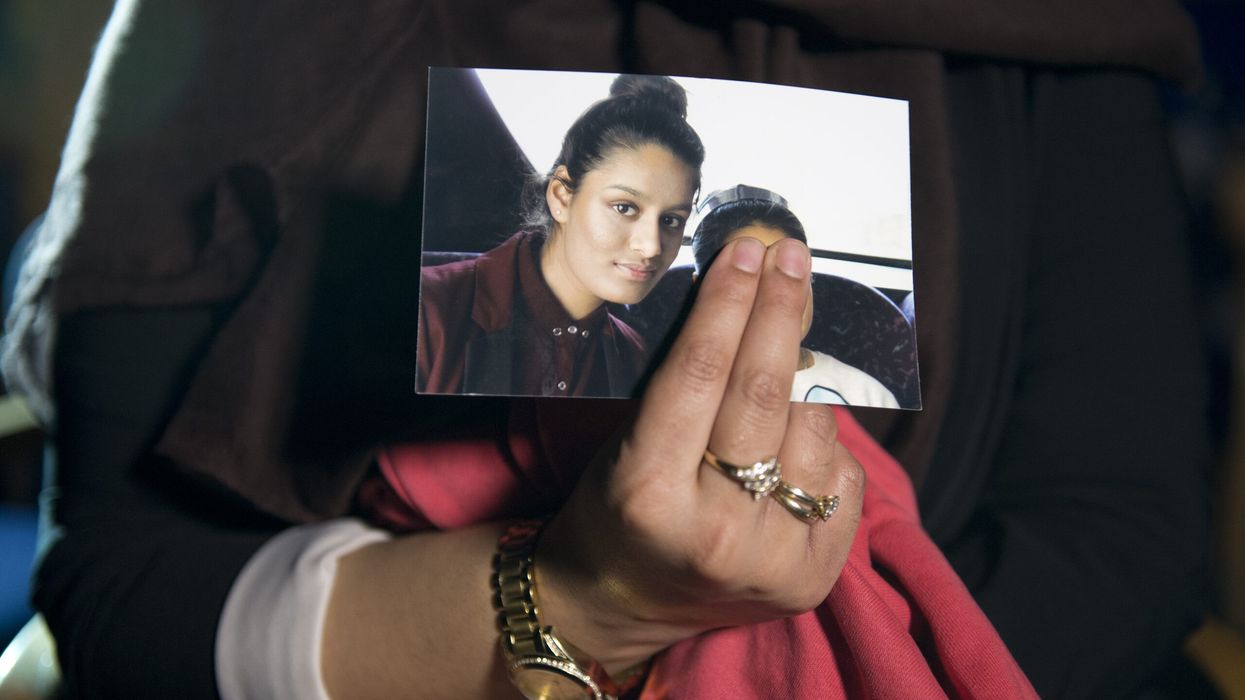

A GROUP of United Nations experts last Wednesday (6) urged Britain to repatriate Shamima Begum, who was stripped of her citizenship after leaving the country aged 15 to marry a Daesh (Islamic State group) fighter.
Begum, now 24 and living in a refugee camp in northern Syria, lost an appeal last month against the decision to remove her British citizenship.
A group of five UN special rapporteurs voiced deep concern at the February 23 ruling, and urged Britain to provide Begum with protection – including repatriation – and review the decision to revoke her citizenship urgently.
“Begum remains stripped of her citizenship, vulnerable and denied assistance and protection as a possible victim of trafficing,” the experts said.
“Protections owed to victims of trafficking and those at risk of trafficking, especially children, must be respected to be meaningful,” they said.
The Court of Appeal rejected all five arguments presented by Begum. The risk to national security took precedence over whether she had been a potential victim of trafficking, it ruled.
Begum could still take her case to the UK Supreme Court.
Begum, whose family is of Bangladeshi origin, left her east London home for Syria with two school friends in 2015.
While there, she married a fighter with Daesh and had three children, none of whom survived.
In 2019, Begum argued she was left de facto stateless when then home secretary Sajid Javid revoked her citizenship on national security grounds.
The appeal court, however, ruled that his decision had not been unlawful, as Begum had retained Bangladeshi citizenship through her parents until her 21st birthday. Javid did not therefore need to consider the de facto likelihood of her being permitted to enter Bangladesh.
In their statement, the UN experts went on to argue that: “There is a credible suspicion that Begum was recruited, transferred and then harboured for the purpose of sexual exploitation.
“Human trafficking is an international crime, a form of modern slavery.”
The statement was issued by the special rapporteurs on people trafficking, contemporary slavery, human rights while countering terrorism, the sale and sexual exploitation of children and violence against women.
Special rapporteurs are mandated by the UN Human Rights Council, but are independent experts and do not speak for the United Nations.
They expressed concern that, as Begum is not a citizen of any other country and is not currently entitled to any other citizenship, last month’s judgement effectively rendered her stateless, in violation of international law.
“All governments have a responsibility to take all necessary and possible measures to protect, through repatriation, their nationals detained in northeast Syria, due to the conditions there constituting cruel, inhuman, or degrading treatment or punishment,” they said. (AFP)