
THE British Museum is tipping off Eastern Eye readers that those who want to see its Samurai exhibition had better hurry because it ends on May 4.
And there are delightful surprises in the exhibition even for those who have been to Japan and are knowledgeable about its ancient culture and civilisation. The Samurai, the exhibition tells us, were not only warriors, but were also practitioners of the arts. This applied just as much to women as men.
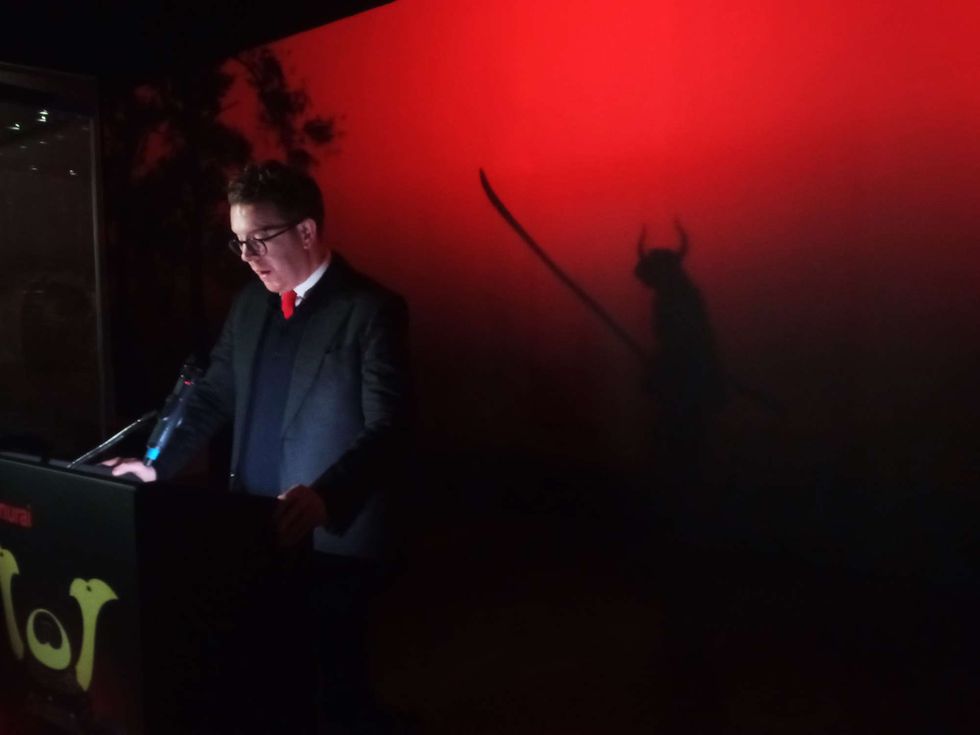 Nicholas Cullinan.
Although the Samurai class was formally abolished in the 1870s after about 1,000 years, they continue to fascinate the outside world to this day, for example, through film and video games.
I have to admit I had no idea of the Darth Vader link, which is displayed in the exhibition.
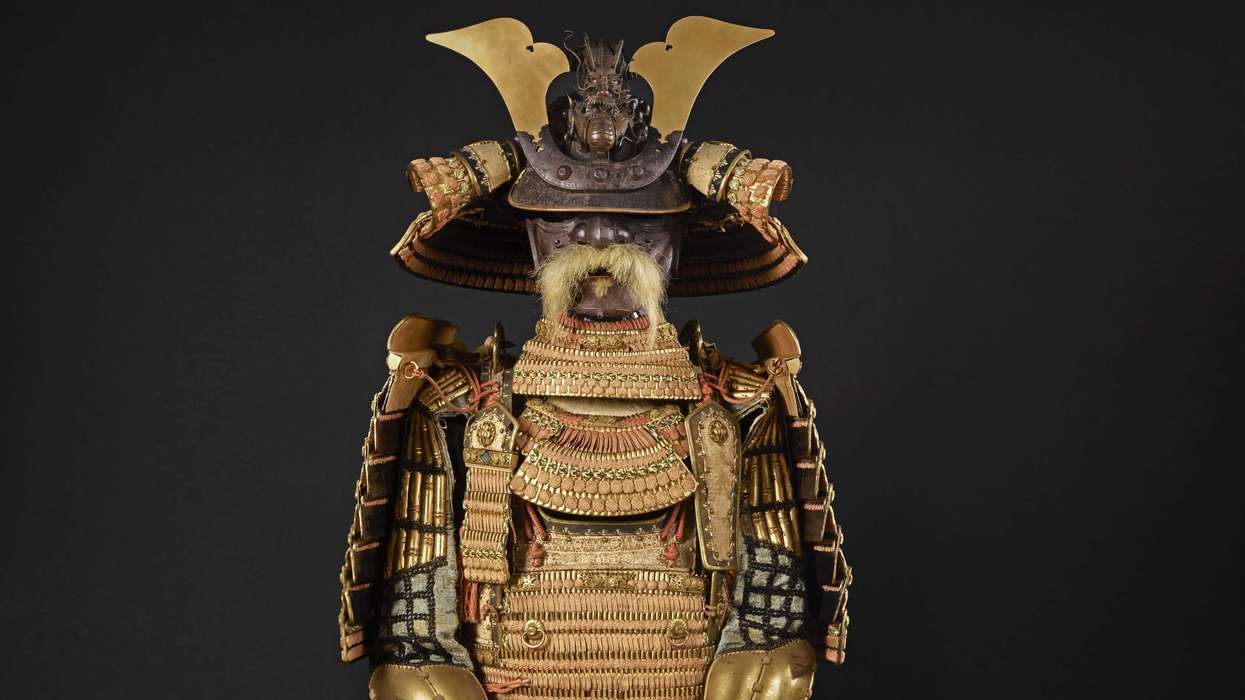
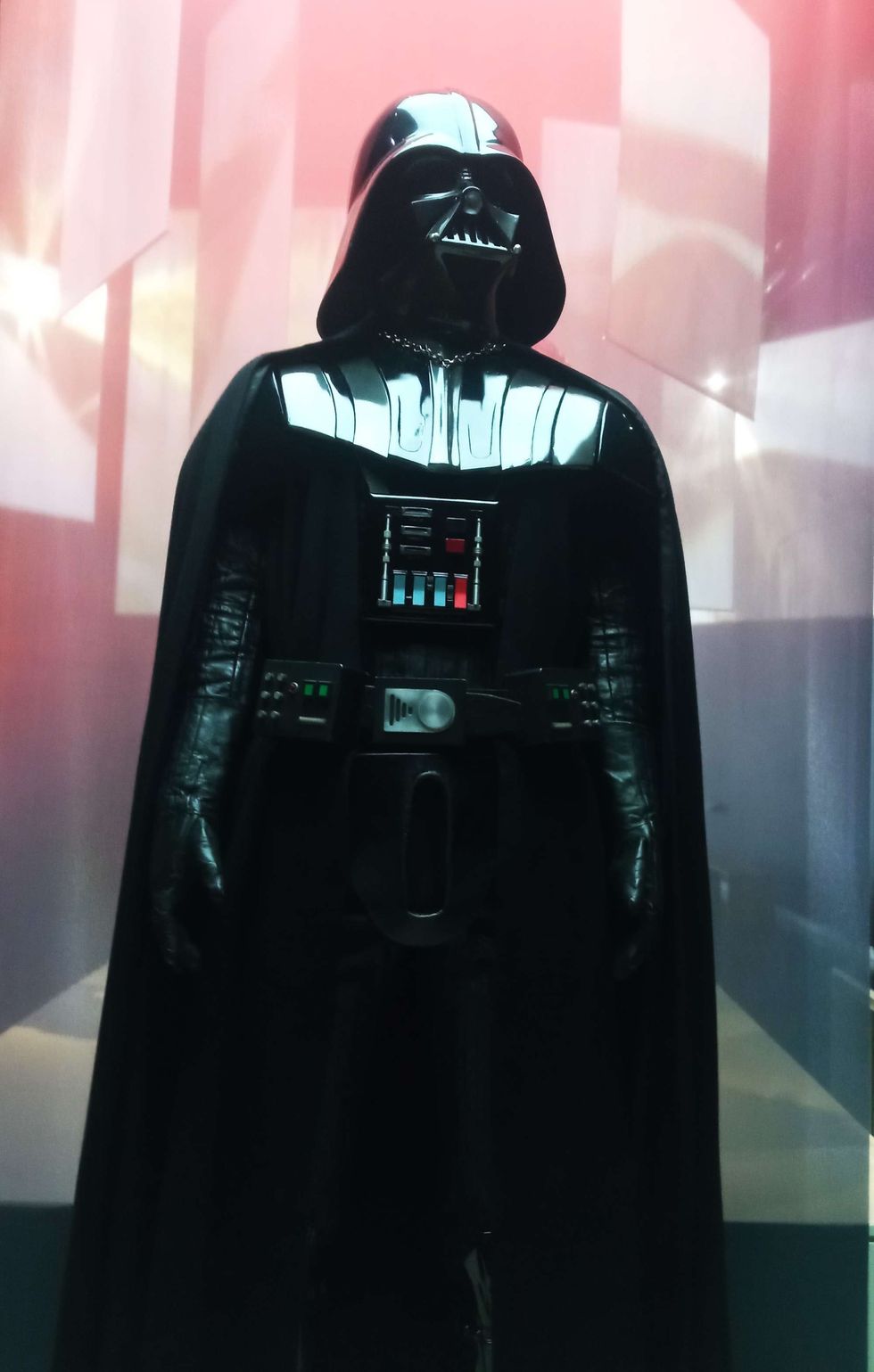
Star Wars (1977) director George Lucas drew inspiration for Darth Vader’s helmet from samurai armour – particularly visible in the flared lower section resembling the neck-guard (shikoro). The visor was added to explain how the character could breathe in space. Lucas based the plot of the first Star Wars film loosely on the samurai film, Hidden Fortress (1958), directed by Akira Kurosawa (1910-98).
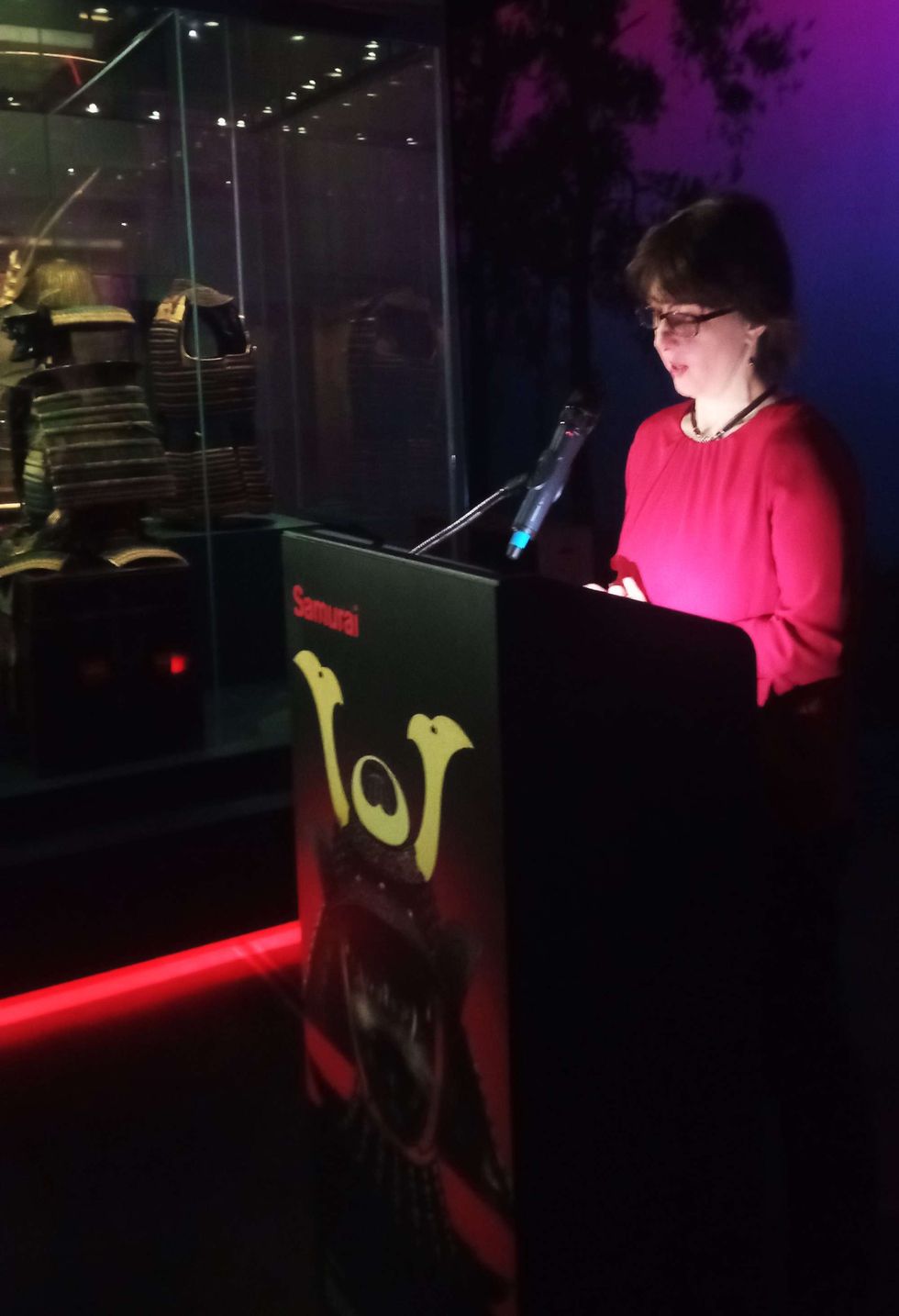 Dr Rosina Buckland.
The British Museum’s director, Nicholas Cullinan, remarked: “The figure of the samurai continues to shape mainstream popular culture throughout the 20th century. The striking appearance of samurai armour inspired the helmet, of course, with Darth Vader, one of the most iconic villains in film history.”
The British Museum has pointed out that the exhibition goes far beyond arms and armour, presenting paintings, woodblock prints, books, clothing, ceramics, photographs, and examples of film, television, manga, video games and contemporary art, including newly commissioned works by the celebrated Japanese artist, Tetsuya Noguchi.
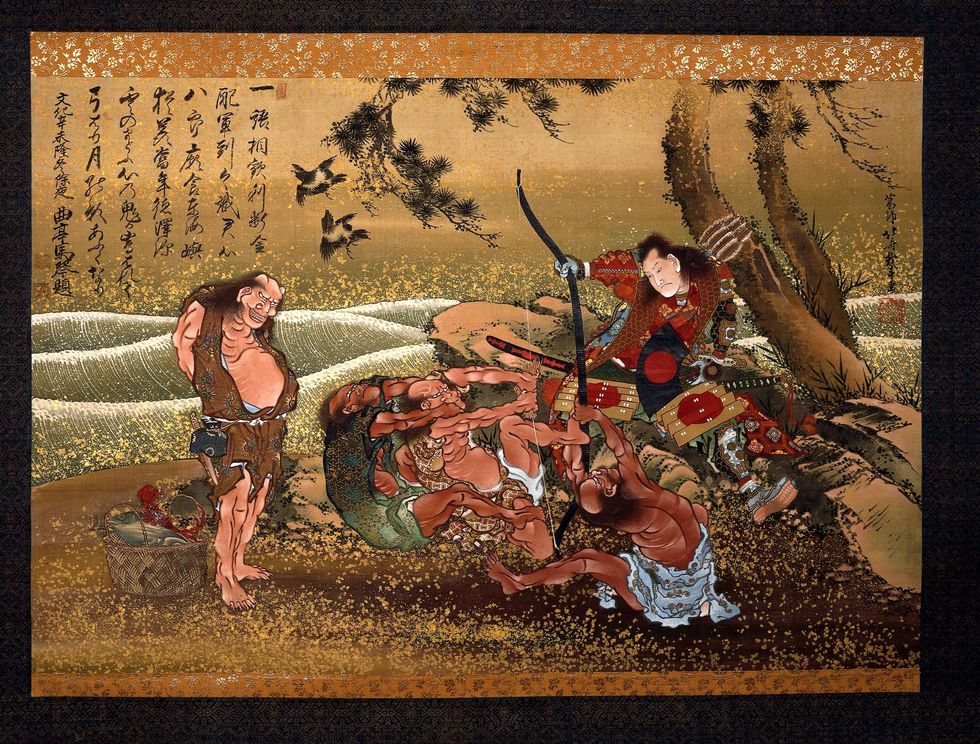 Katsushika Hokusai’s depiction of Minamoto no Tametomo on the Isle of Demons.
From a Louis Vuitton outfit, inspired by Japanese armour, to the popular video games Assassin’s Creed: Shadows (2025) and Nioh 3 (2026), the exhibition traces the samurai’s enduring legacy across fashion, film and gaming. “Together they underline how the samurai continue to inspire creativity around the world today.”
Eastern Eye was present when Cullinan opened the exhibition and said: “This tells the story of the world-famous symbol of Japan and the universal icon of the virtuous and fearless warrior. The word samurai evokes images of heroic warriors and their distinctive, striking armour. However, these images in the popular imagination tell only a small part of the wider reality and history of the samurai throughout the centuries.”
 Darth Vader’s helmet from Star Wars, inspired by samurai armour; and Utagawa Kuniyoshi’s Tomoe Gozen riding away after the Battle of Awazu.
He added: “Across the millennium, the roles and representations of samurai men and women shifted within the changing political and social situation in Japan. Starting out as mercenary warriors in the 10th century, the samurai established themselves as a rural gentry class and gained political dominance in the 1180s. Once government broke down in the 15th and 16th centuries, they fought in extensive civil wars. After 1615, during a long era of peace, the samurai were a hereditary social class, with women forming half of this society. Samurai men served as ministers, administrators, bureaucrats and guards.
 Utagawa Kuniyoshi’s Tomoe Gozen riding away after the Battle of Awazu.
“They were also required to undertake regular military training in swordsmanship, fencing and archery. Samurai women carried responsibility for the household and family, with daughters of elite families sent to make politically advantageous marriages.”
He went on: “The samurai shaped not only elite Japanese society, but wider society, too. Samurai lords were sponsors of learning and the arts and employed a network of official painters to provide the decoration for their multiple residences. Many samurai were artists themselves, partaking in the vibrant networks of creative and intellectual life and sometimes relying on their talents to supplement an often insufficient government stipend.
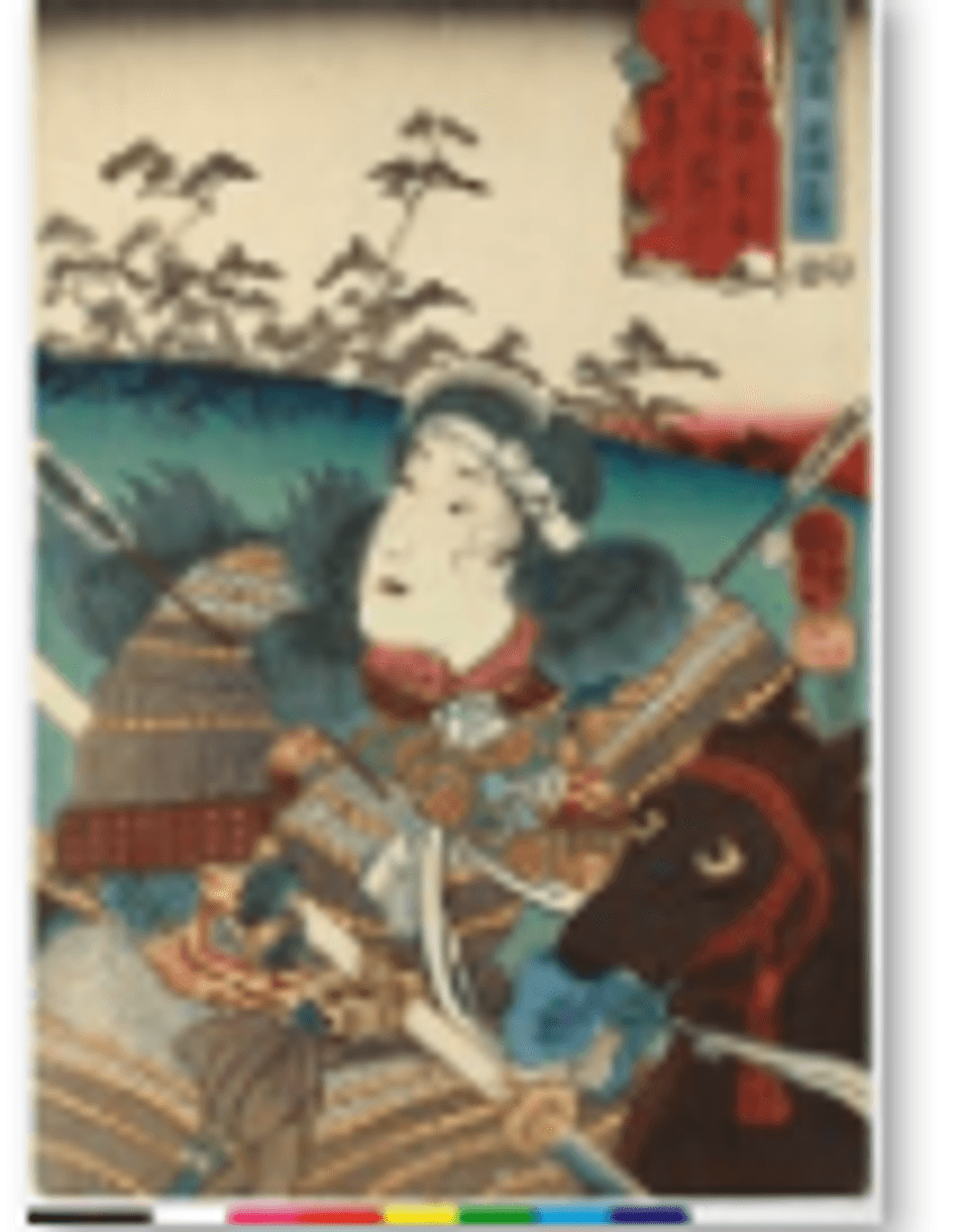 A colour woodblock print from 1852.
“As the socio-political situation shifted in the mid-19th century, the collapse of the shogunate and the restoration of imperial rule in 1868 brought the end for the samurai. The new government overhauled society and embarked on a process of modernisation. This resulted in the abolition of the samurai, transforming them into a myth ripe for storytelling and adaptation across multiple media.
“In the 1890s, the samurai were reinvented as part of a contemporary global trend towards celebrating medieval heritage in the service of nationalism, one which might feel familiar to you today. During the years of Japan’s growing militarism and colonial expansion, the idea of the samurai ethic was appropriated as a method of instilling patriotism and selfsacrifice in troops and promoted as an intrinsically Japanese spirit unrelated to social status.
“From the medieval period to the present day, the samurai have been fabricated, idealised and adapted for many purposes, both within Japan and across the world. Their story spans a millennium of myth and reality, and this exhibition opening seeks to tell that story, bringing together around 280 objects and digital media from our own collection and around 29 national and international lenders.”
Cullinan summed up: “Though the samurai no longer exists, they live on in our imaginations, and I hope that the sheer range of material and diverse nuances presented in Samurai are a catalyst for a new generation of samurai inspired study and creativity.”
He was followed by Dr Rosina Buckland, Asahi Shimbun Curator of Japanese Collections at the museum, who has worked closely with the project curator, Joe Nickols, and Oleg Benesch, professor of modern history at York University, specialising in the history of Japan and China in a global context.
Buckland said: “The word samurai conjures up an image of formidable warriors possessing ideals of courage, honour, self-sacrifice and loyalty. Yet, much of what we think we know about Samurai is based on misunderstanding or inventive tradition is only a partial understanding.
“The development of the samurai was influenced by a long interaction between Japan and the wider world, and the modern myth has similarly emerged in a global context. This is the first exhibition to range beyond the presentation of spectacular military equipment and sophisticated artworks to interrogate this mythologisation, examining how the samurai represented themselves and how others used their image, including the very varied manifestations long after the class was abolished.”
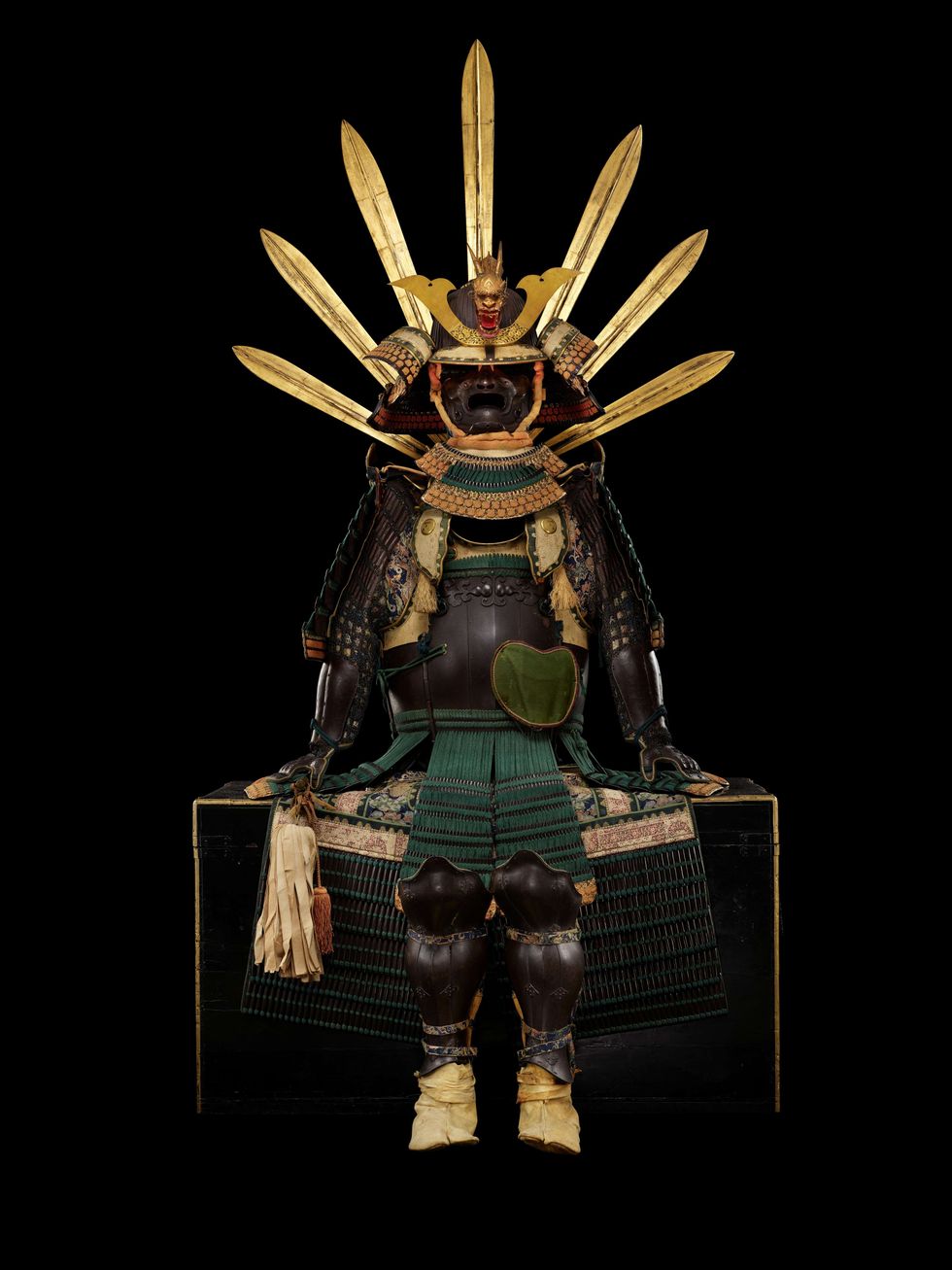
She explained the exhibition was in three parts: “Coming into section one, we are explaining to visitors that our modern idea of samurai has its origins in reality, this distinct warrior class that emerged and gained political dominance during the medieval period. And we have examples of the splendid armour and weapons that were used during this period.
“Equally important is culture. We have manifestations of the way that the samurai were using culture in their power relationship. The international element comes again with diplomacy. There are missions sent out with samurai representatives.
They are the leaders in society. The Tokugawa regime finally achieved victory in 1615 and established a government that maintained the peace for 250 years.
“By the late 19th century, the hereditary status of samurai had been abolished, and the supposed chivalric values developed into the myth of bushido, or the way of the warrior. This new code, promoting values of patriotism and self-sacrifice, was harnessed during Japan’s period of colonial expansion and military aggression, but in post war Japan, the ideal of the samurai has been repurposed in diverse creative forms within popular culture, demonstrating its appeal worldwide and becoming an icon of Japan.”
Samurai is at the British Museum until May 4

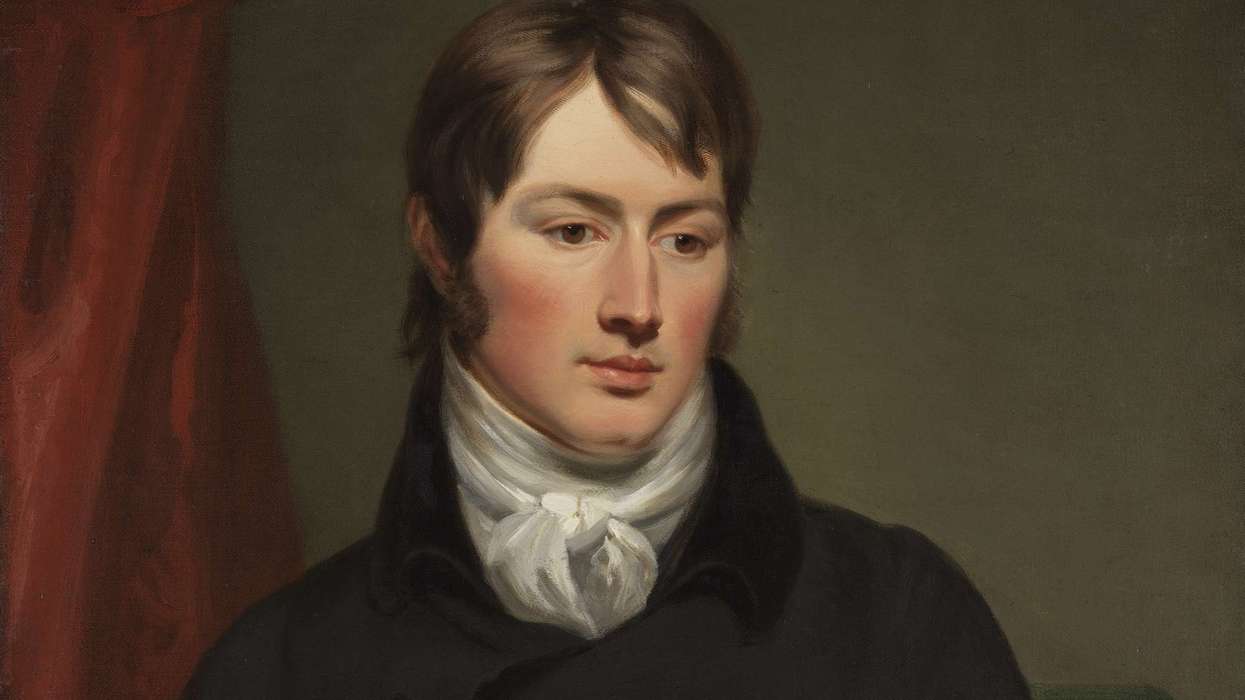
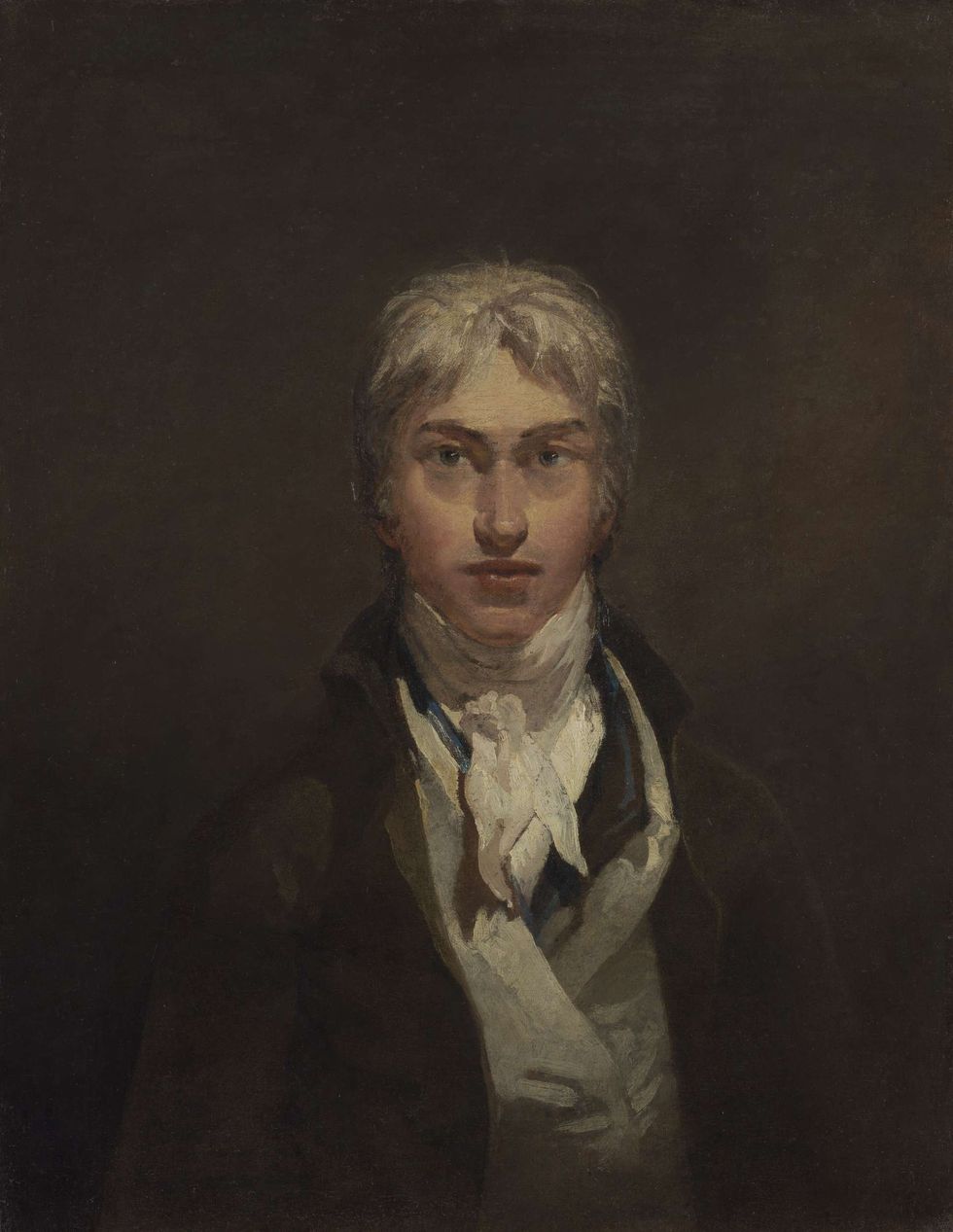 JMW Turner, Self Portrait (1799)Tate
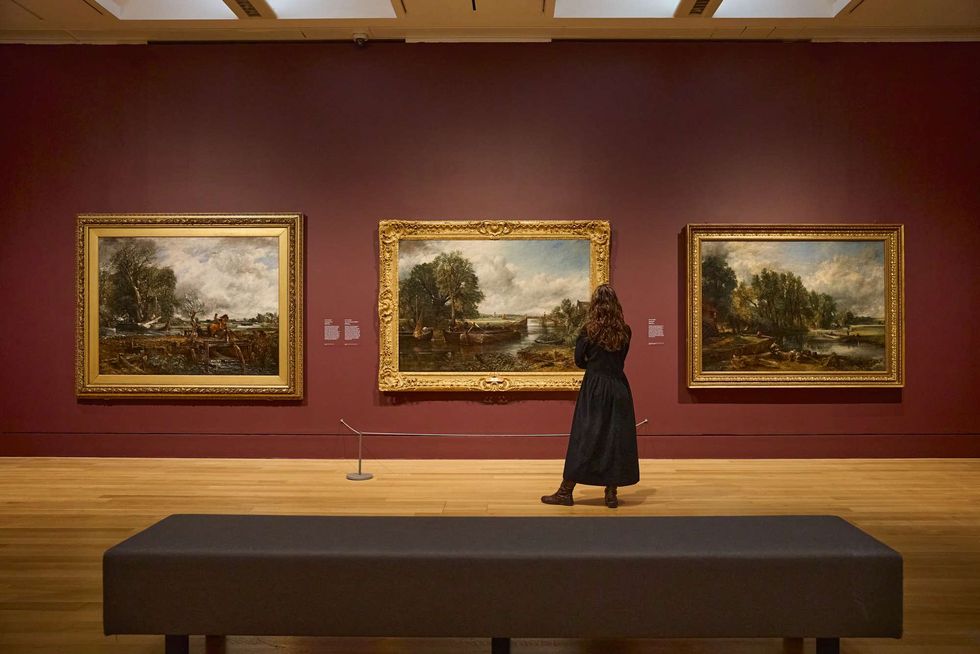 Turner and Constable at Tate Britain.Tate Photography (Yili Liu)
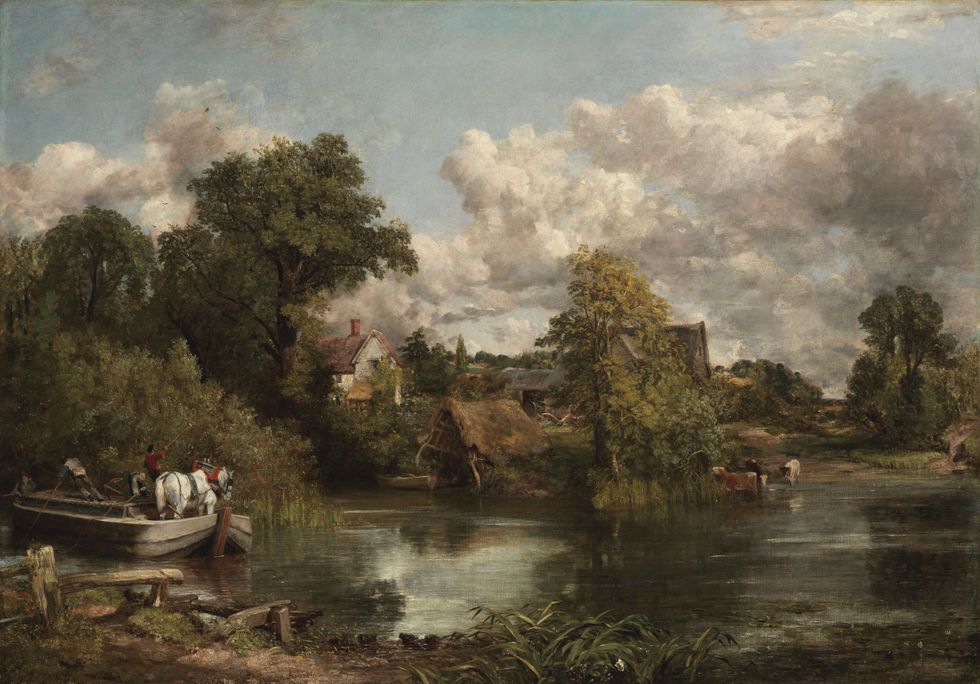 John Constable, The White Horse, (1819)The Frick Collection
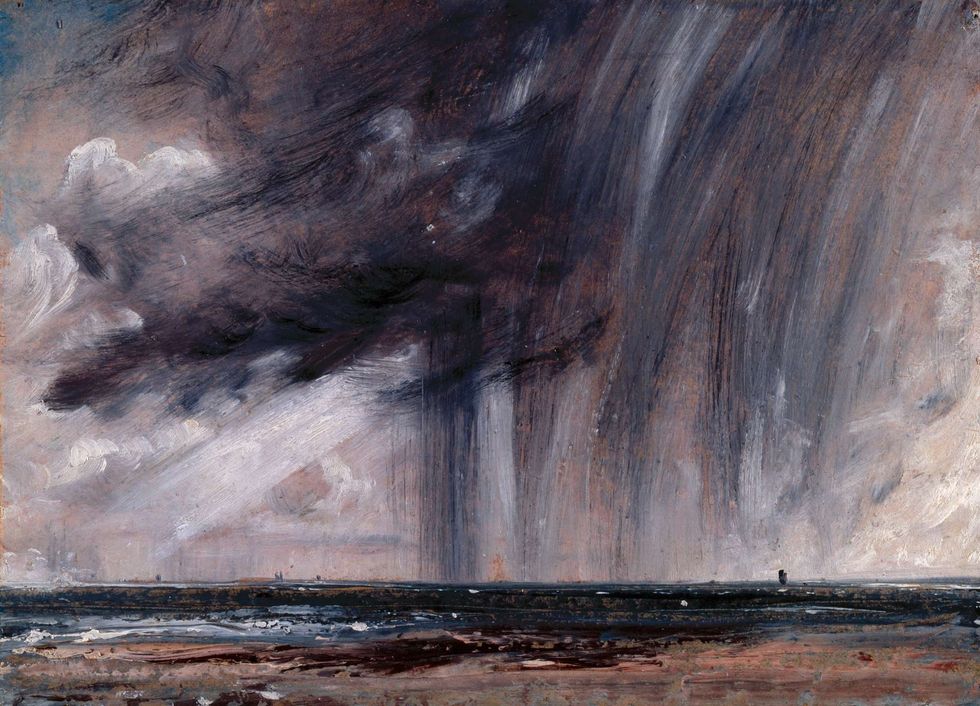 John Constable RA, Rainstorm over the SeaTate
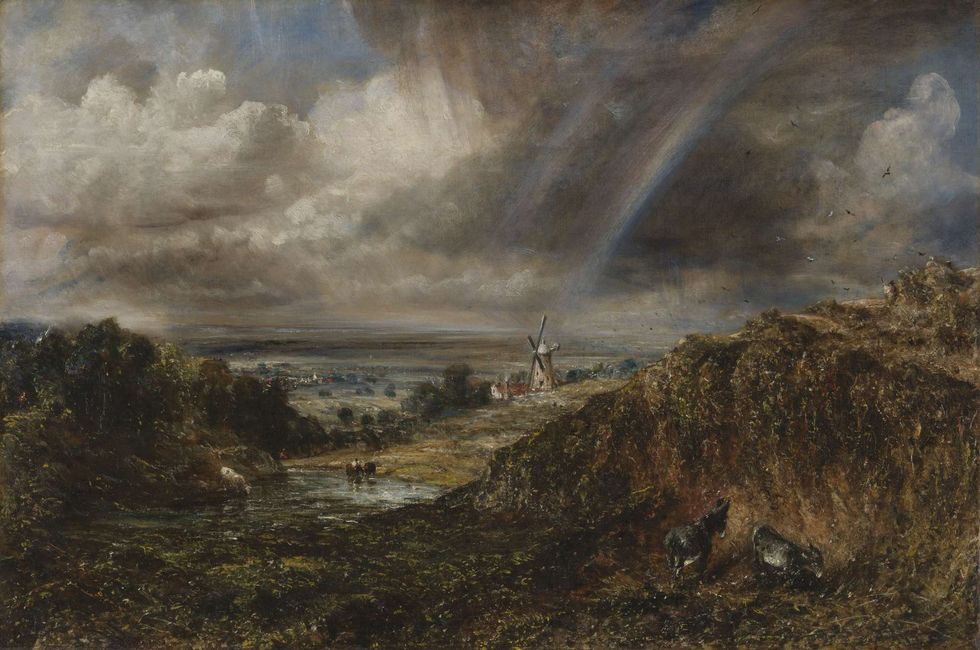 John Constable, Hampstead heath with a Rainbow, (1836)Tate
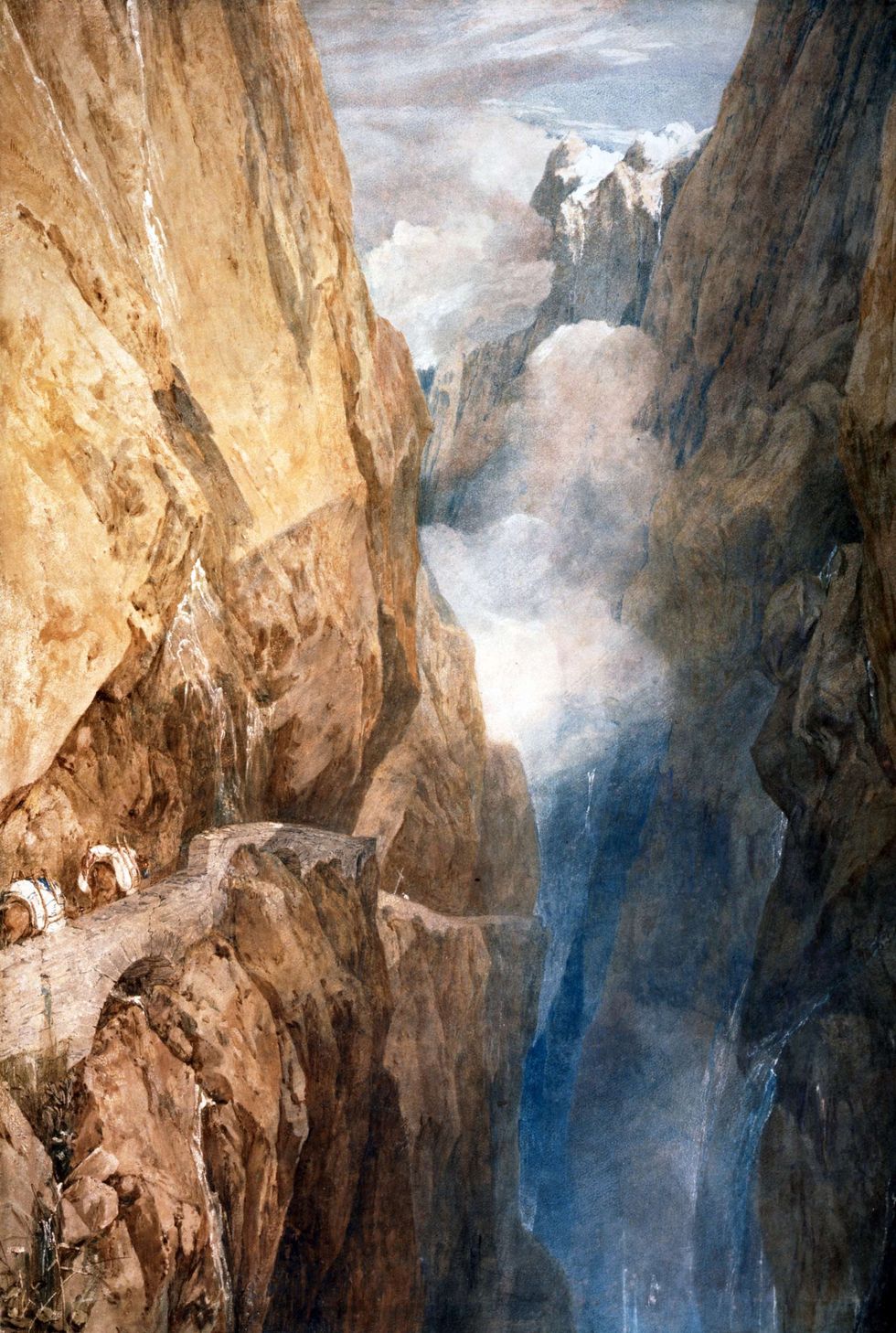 JMW Turner, The Passage of Mount St Gothard from the centre of Teufels Broch, 1804. Tate
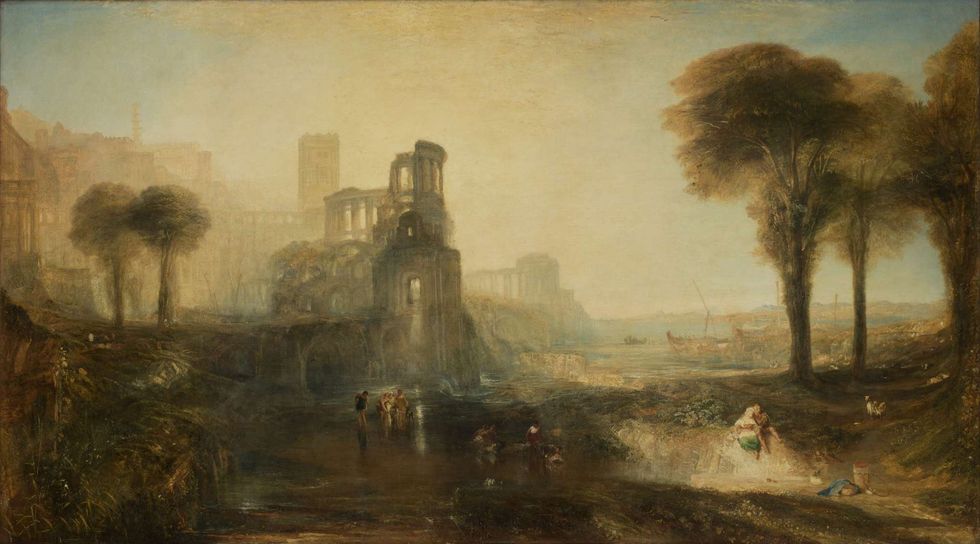 JMW Turner, Caligula's Palace and Bridge (1831)Tate
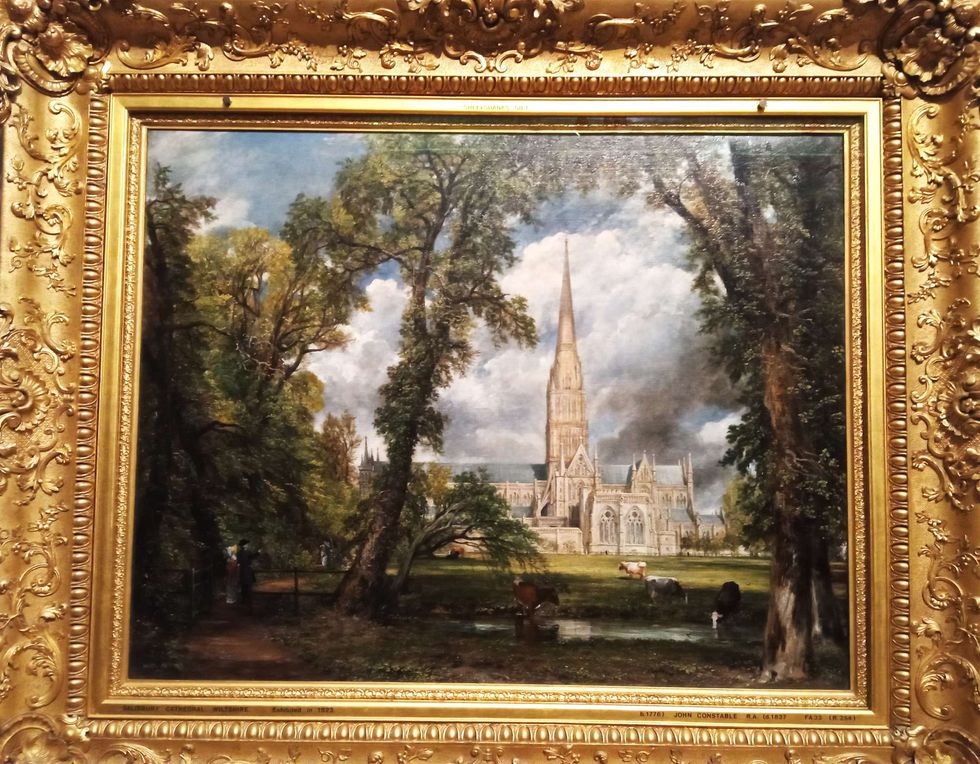 Constable's Salisbury Cathedral Amit Roy
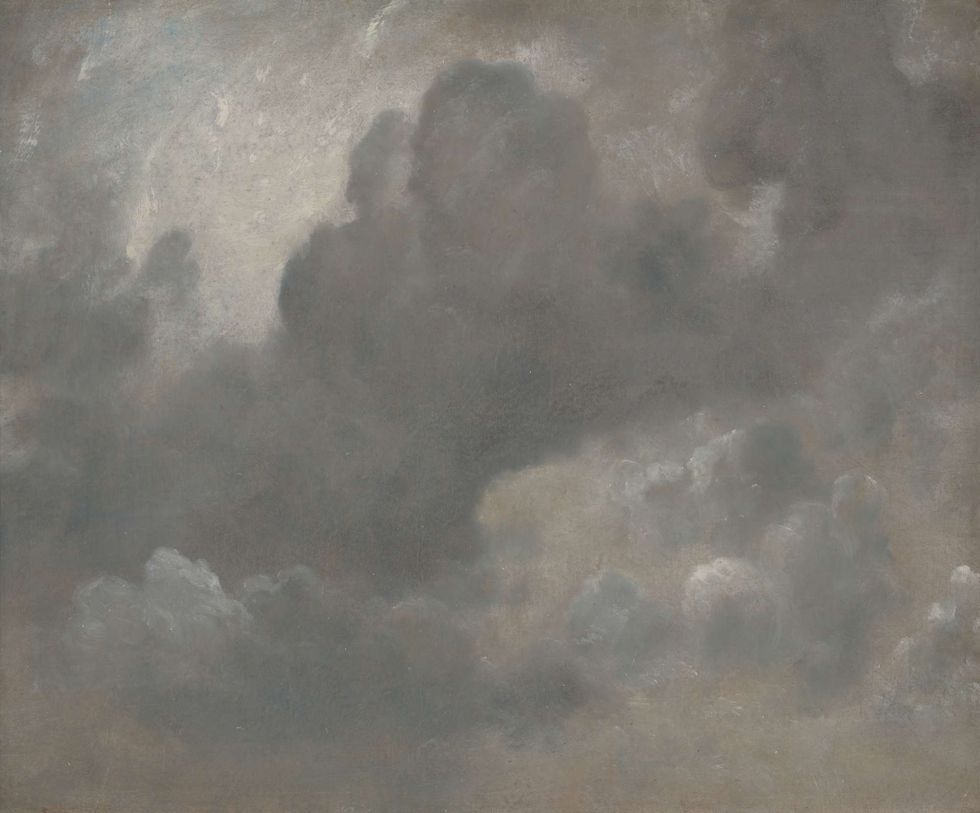 John Constable, Cloud Study (1822) Tate
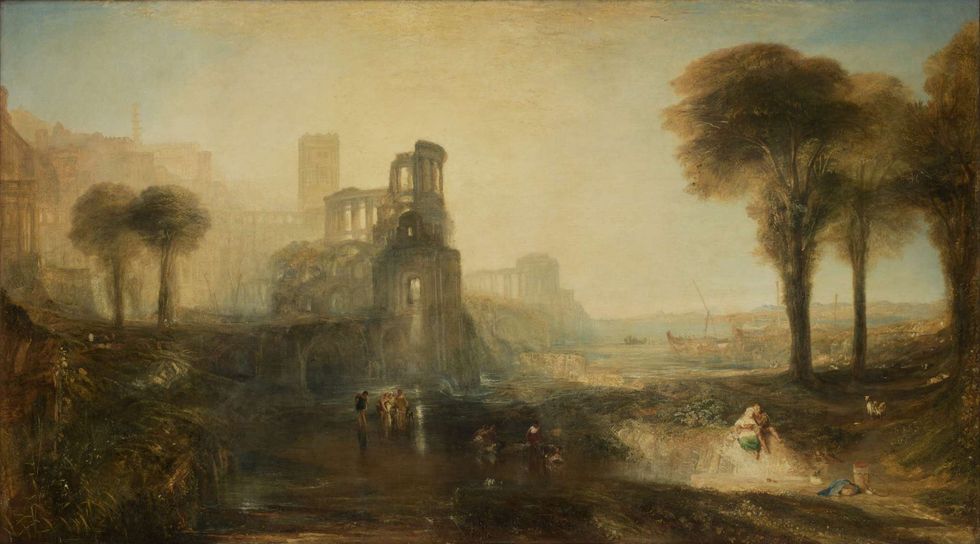 JMW Turner, Caligula's Palace and Bridge (1831)Tate
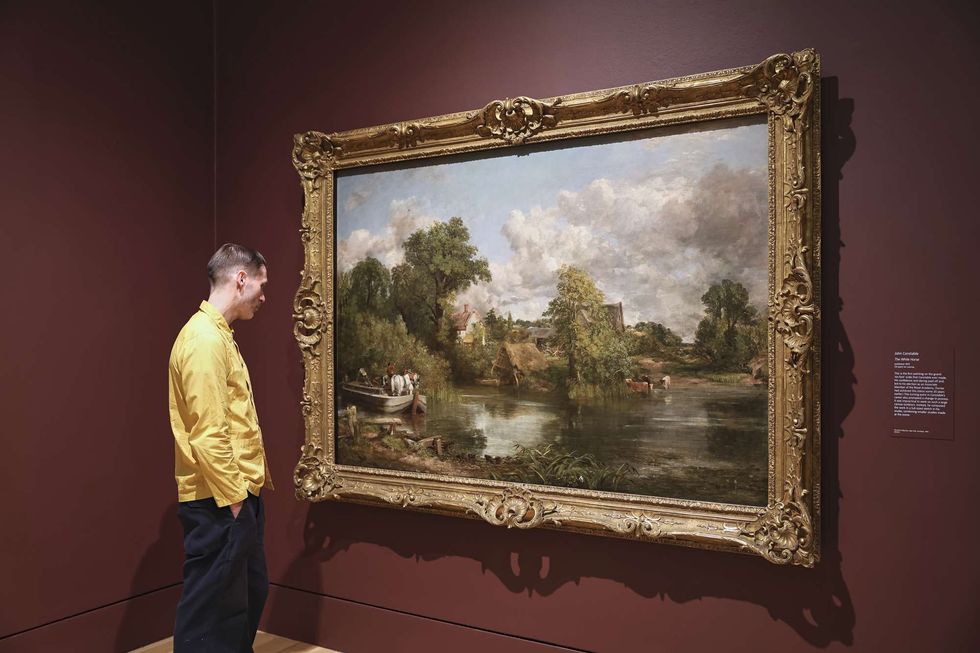 A view from the exhibition Tate
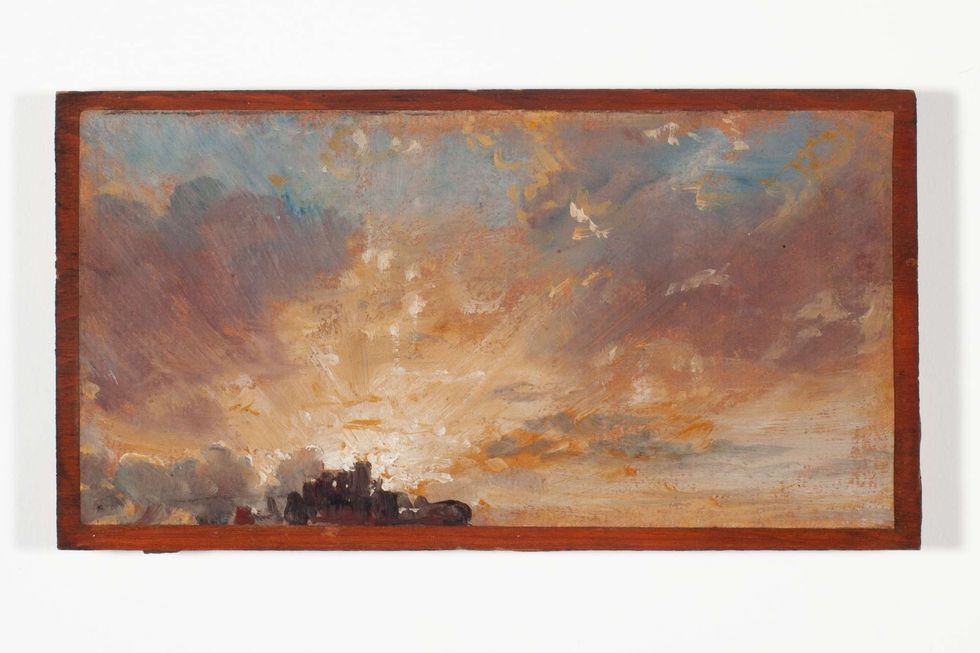 John Constable, A Vivid SunsetTate
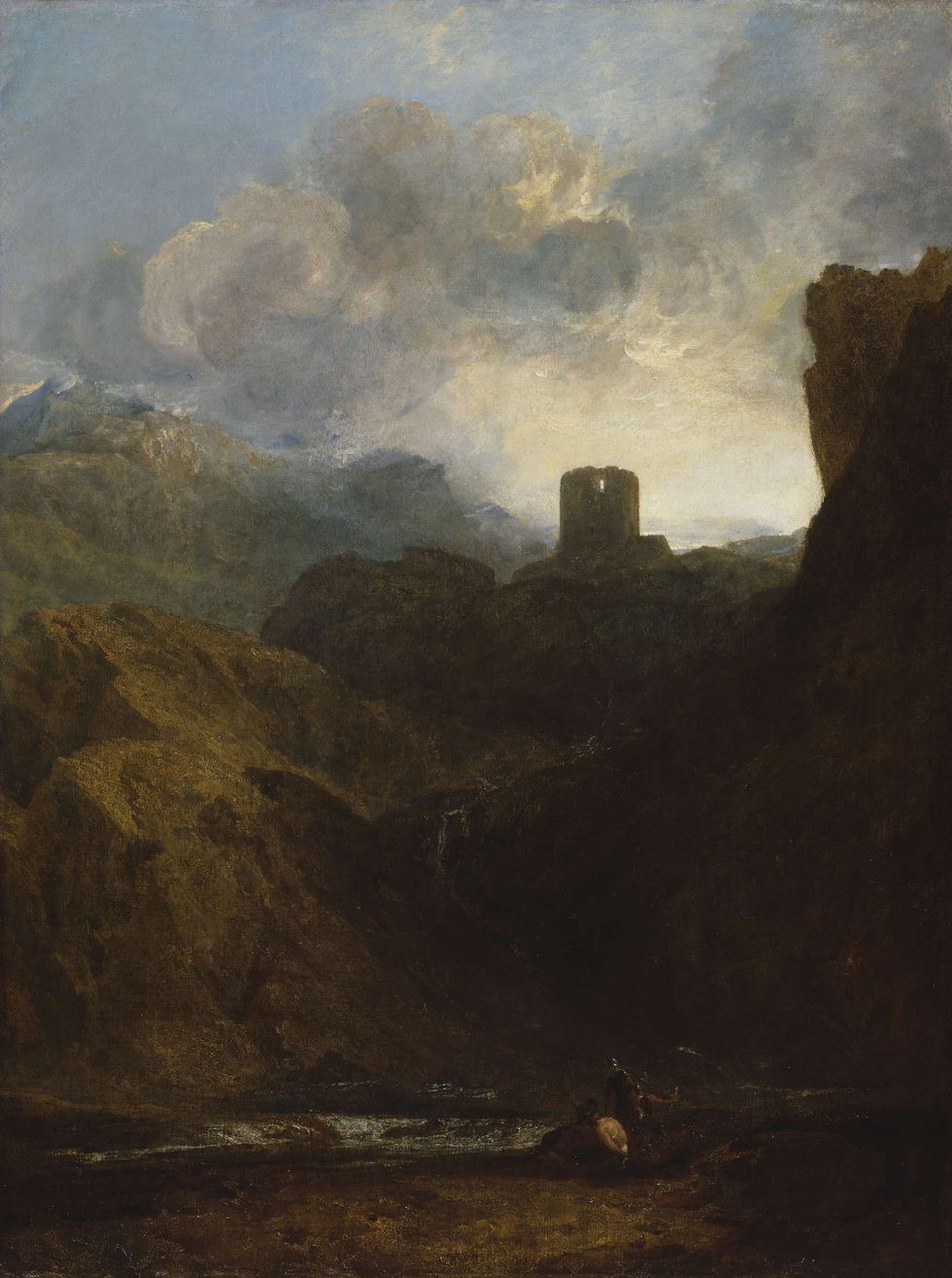 JMW Turner, Dolbadern Castle, North Wales (1800)Royal Academy of Arts, London
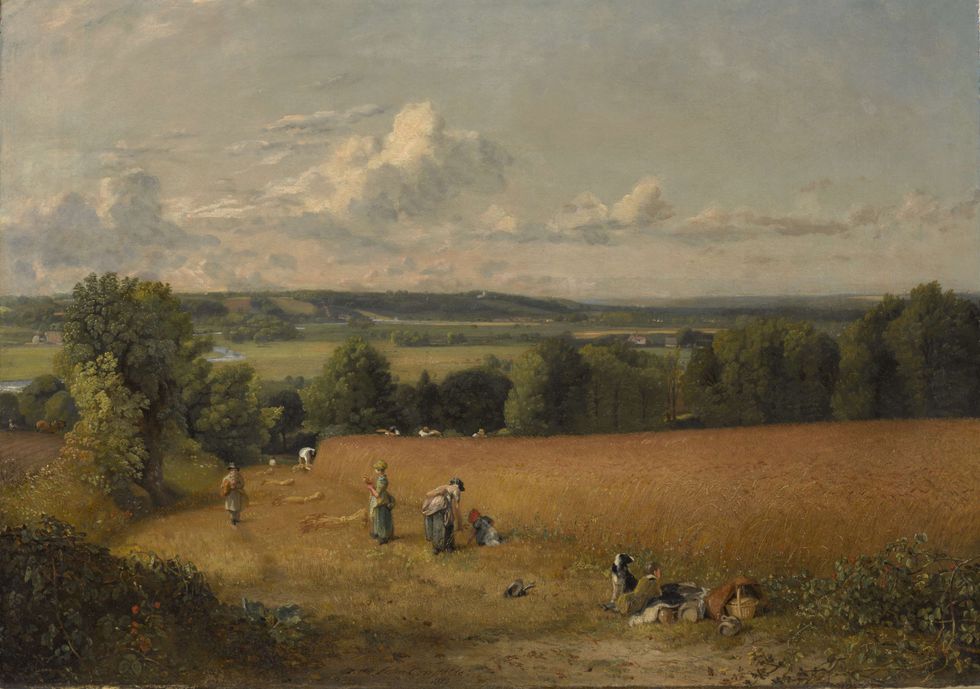 John Constable, The Wheatfield Clark Art Institute