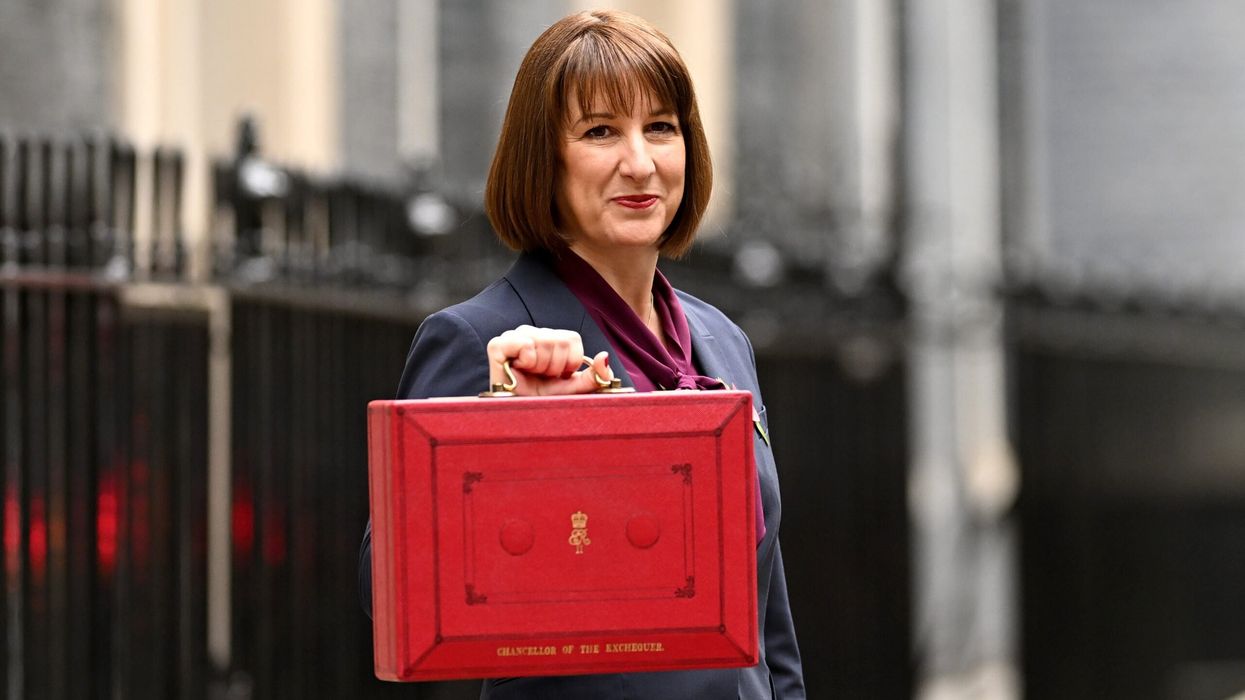

CHANCELLOR Rachel Reeves is weighing whether to raise income tax in next month’s budget to help close a multibillion-pound deficit, according to the Guardian. However, ministers insist the Labour government remains committed to its pre-election tax pledges.
The report said Reeves faces an estimated shortfall of more than £30 billion ($40.26BN) and is in talks over whether to break one of Labour’s key manifesto commitments — not to increase income tax.
Treasury officials are reportedly examining options including a rise in the basic rate or adjustments to income thresholds, though no final decision has been made.
A Treasury spokesperson declined to comment on the report. Reeves has made it clear that she wants to balance day-to-day government spending with tax revenues by the end of the decade.
The UK’s budget deficit reached £71.8bn between April and September — 17 per cent higher than the same period a year earlier — reflecting slower growth and higher borrowing costs.
The chancellor has also indicated she wants a larger fiscal buffer than the £9.9bn previously outlined, which has been eroded by downgraded economic forecasts and persistent inflationary pressures. Earlier this month, she said her team was examining both tax and spending measures ahead of the November 26 budget.
Responding to the Guardian report, Labour minister Nick Thomas-Symonds told Sky News on Friday (24) that the government “stands by its manifesto pledges on VAT, on national insurance and on income tax.”
He reiterated that prime minister Keir Starmer and Reeves promised voters they would not raise these taxes on “working people.”
In her first budget last year, Reeves increased the National Insurance Contributions paid by employers, while maintaining that the tax burden on employees would not rise.
The debate underscores the growing tension between Labour’s fiscal promises and the economic reality it faces. The National Institute of Economic and Social Research recently said Reeves might need to reconsider her stance on income tax to avoid more damaging measures elsewhere in the economy.
(Reuters)