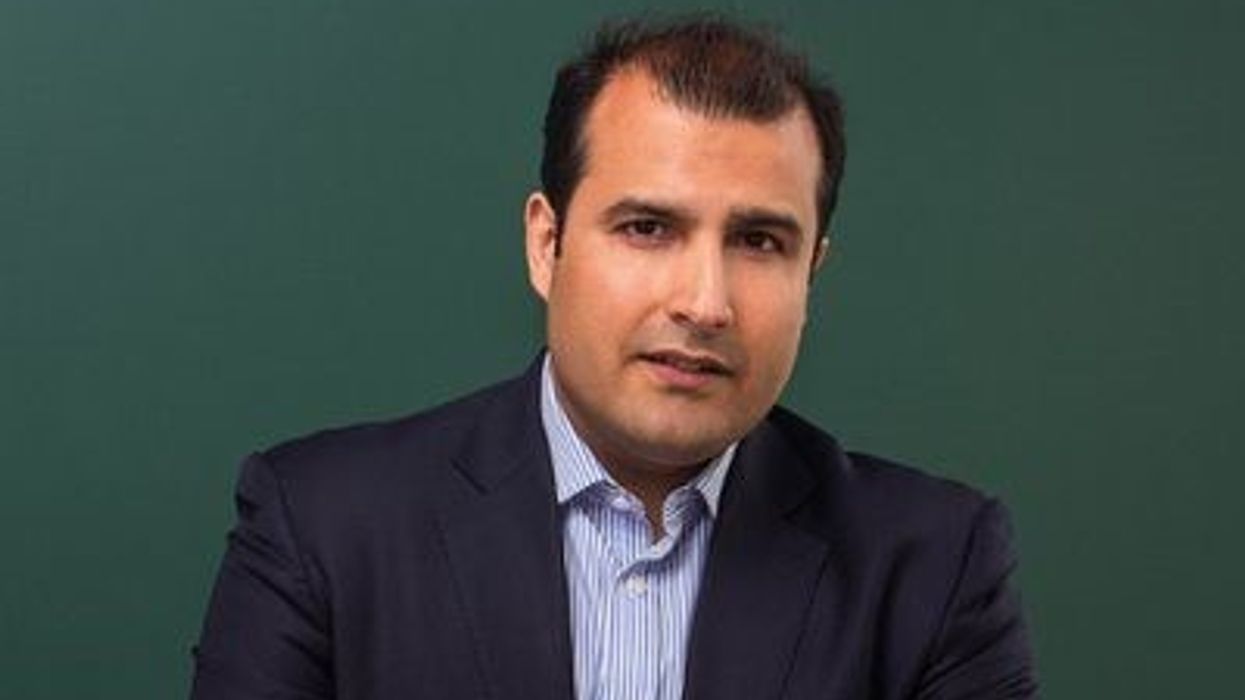
QUANTEXA founder and chief executive Vishal Marria advocated that a domestic company with the “right intentions” should be hired to manage NHS data instead of awarding the contract to an American company.
His London-based data analytics firm is attempting to strike a deal to link up hospital data where Palantir, a software company with close links to the US defence industry, is a frontrunner to win the contract.
The NHS is looking to integrate computer systems of its hospitals and a deal is expected by the end of October.
Marria, who is recognised for solving financial crime, surveillance and customer insight issues, said trust and transparency were at the heart of Quantexa
“We come from the right intentions to support what could be a once-in-a-generation data transformation,” he told The Times.
While Palantir’s software is already in use in some NHS hospitals, Marria, without naming any company, warned against contracts with a single supplier that risks “vendor lock-in”.
Palantir has worked with the Ukrainian defence forces and the UN and the company’s health lead Joanna Peller said, "we have world-leading security and data governance capabilities”.
NHS England said it was “conducting a fair and transparent procurement process for a supplier of the federated data platform, in line with public contracts regulations, and this process has not yet concluded”.
Quantexa achieved its unicorn status earlier this year when its Series E fund-raising efforts valued the business intelligence company at $1.8bn.
Quantexa boss says NHS data should be managed by UK company
Vishal Marria warns against contracts with a single supplier