
Highlights
- FTSE 100 has just eight female CEOs despite women holding 44 per cent of board positions across top companies.
- High-profile departures in 2025 include Dame Emma Walmsley at GlaxoSmithKline, Liv Garfield at Severn Trent and Debra Crew at Diageo.
- When male chiefs leave, 90 per cent are replaced by men, compared to only 50 per cent of departing women replaced by female successors.
A new campaign demanding 30 female chief executives in Britain's FTSE 100 by 2030 will launch in February, as concern grows that women are being systematically excluded from top corporate positions.
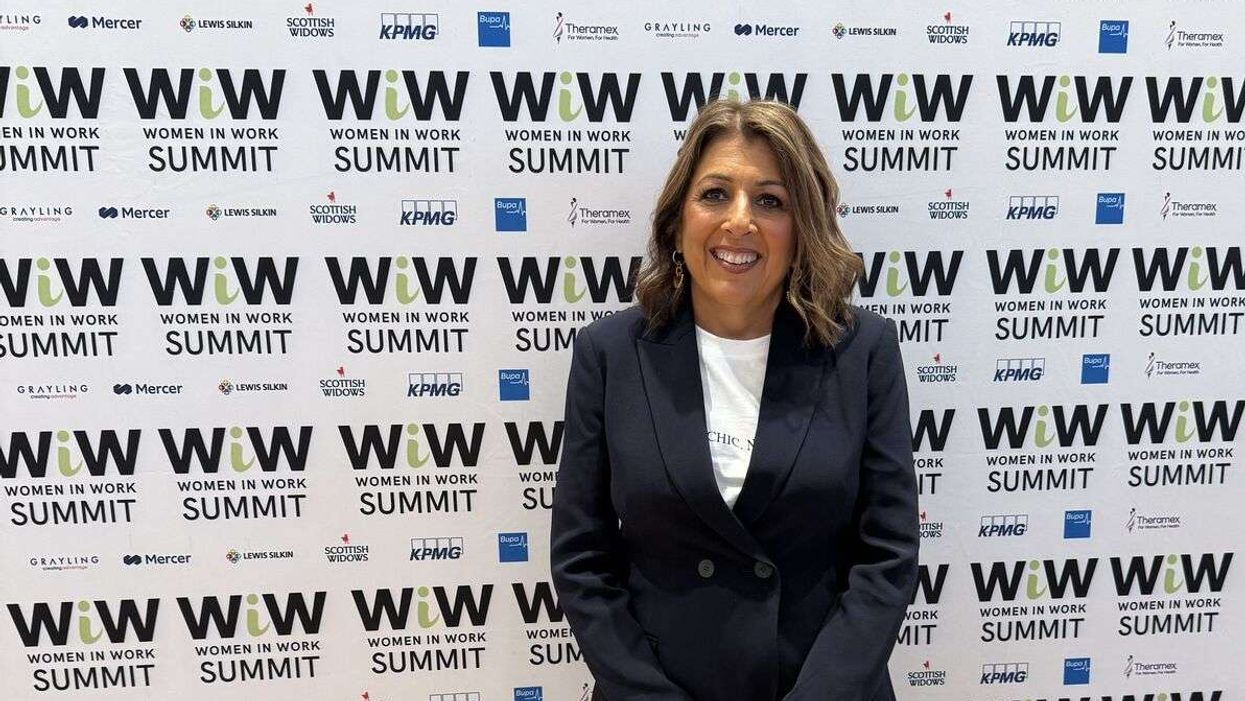
Pavita Cooper, chair of the 30% Club, announced the "30 by 30" initiative following a year in which several prominent female bosses were replaced by men, including Dame Emma Walmsley at GlaxoSmithKline, Liv Garfield at Severn Trent and Debra Crew at Diageo.
Currently, only eight women lead FTSE 100 companies including BP's interim chief executive Carol Howle before permanent replacement Meg O'Neill arrives in April.
This represents minimal progress since 2010, when there were just five female CEOs, despite women's overall board representation soaring from 12.5 per cent to 44 per cent over the same period.
Cooper said she wants to "reignite" conversations about the absence of female chief executives, telling The Times, "It doesn't feel like there's enough momentum around a conversation about this."
Campaign and challenges
The campaign will be launched at the London Stock Exchange in February, with Cooper writing to chairs of major companies encouraging them to "step forward and work with us collectively."
Research from the Women in Work campaign group reveals the scale of the challenge. Among 400 companies reviewed in October, female chief executives fell from 45 in 2024 to 43 in 2025.
Of 48 CEO vacancies during this period, half of departing women were replaced by other women and half by men. However, when male chiefs departed, 90 per cent were succeeded by male replacements.
Cooper believes there is "something around the psychology and perceived risk attached to putting a woman in that top job, which is not real or fair."
The initiative faces headwinds from Donald Trump's recent ban on equality initiatives in the US Federal government, raising fears that diversity has fallen down the corporate agenda.
The 30% Club, established in 2010 by Baroness Helena Morrissey, originally focused on broader female boardroom representation.
It previously secured backing from major City figures including Robert Swannell, former Marks & Spencer chairman, and Lord Mervyn Davies, who led a government review on FTSE women boardroom leaders.
Cooper emphasised the campaign aims to examine "what can we collectively do" to get women into chief executive positions, questioning "why is this pattern (developing) of women stepping down and being replaced by men?"
The club is also targeting 50 per cent female representation in management teams under executive committees by 2035.