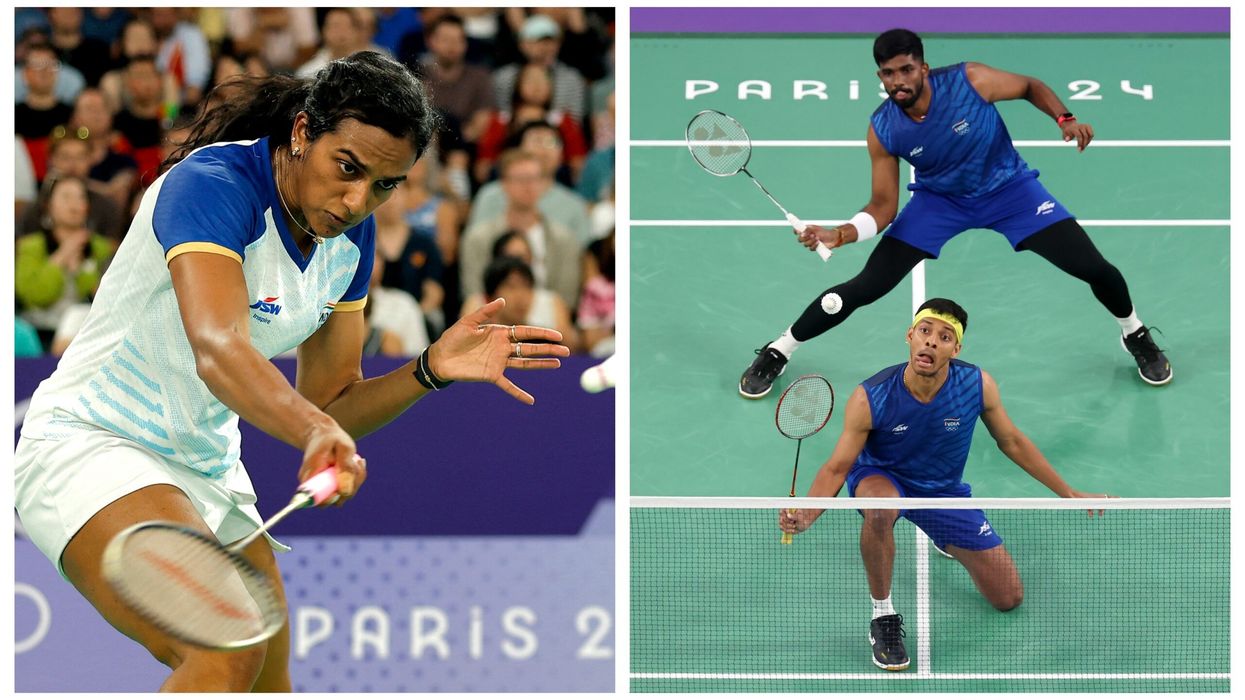

INDIA’s badminton campaign at the Paris Olympics faced setbacks as medal contenders Chirag Shetty and Satwiksairaj Rankireddy exited in the quarter-finals, and PV Sindhu lost to China’s He Bing Jiao in the women’s singles pre-quarter-finals on Thursday.
Lakshya Sen remains the only Indian still in the medal hunt after winning an all-Indian match against an unwell HS Prannoy.
The third-seeded pair Chirag and Satwik, seen as strong medal prospects, led 14-11 in the deciding game but struggled with the service variations from world number three Aaron Chia and Soh Wooi Yik, leading to an unexpected exit. They lost 21-13, 14-21, 16-21.
“In the end, we gave away quite a few easy points. A few lucky ones for them, where we didn’t really expect those serves. They kept poking us slightly. Towards the end, there were a couple of points that hit the net cord and a few one-two errors (made the difference),” Chirag said.
Sindhu, aiming for her third Olympic medal, lost 19-21, 14-21 to China’s world number 9, Bing Jiao.
Sindhu struggled to maintain consistent performance while Bing Jiao controlled the match with steady attacks. Sindhu's frequent unforced errors proved costly.
Bing Jiao dominated early, quickly building an 8-3 lead as Sindhu took time to settle. Bing Jiao’s precise shots and court movement kept Sindhu on the defensive.
Sindhu fought back, levelling the score at 12-12 with improved cross-court shots. However, Bing Jiao's powerful smashes helped her regain control, with the score tied at 19-19 before Bing Jiao clinched the first game with a decisive smash.
In the second game, Bing Jiao capitalised on Sindhu's errors to build a 5-2 lead. Although Sindhu excelled in longer rallies, Bing Jiao's court coverage and accurate shots led to a 5-11 deficit for Sindhu. Bing Jiao extended her lead to 18-11, and despite Sindhu’s efforts, Bing Jiao sealed the match on her second match point as Sindhu's return went wide.
In the men’s doubles, Aaron Chia and Soh Wooi Yik had defeated the Indian pair eight times before, but Thursday’s loss was particularly significant due to the Olympic stage.
Satwik and Chirag started strong but couldn't maintain their lead as the Malaysians adjusted their tactics.
Chirag reflected on their performance, saying, “We should have been a little more calm in those situations. Having said that, I think at 14-11, at a point or two, we got quite unlucky. Satwik touched the shuttle with his legs, which bounced off the net. And then he served through which was totally unexpected.”
Sen secured a comfortable 21-12, 21-6 win over Prannoy, who was recovering from Chikungunya and had limited preparation time. Prannoy acknowledged the challenge, saying, “I just had a week to prepare. My team pushed me so that I could compete. I knew it was going to be tough.”
Sen, the third male Indian player to reach the quarter-finals after Parupalli Kashyap (2012) and Kidambi Srikanth (2016), will face Chinese Taipei’s Chou Tien Chen in the quarter-finals. Sen commented, “It will be a tricky match against Chou, I have to go and recover well and give my 100 per cent.”
(With inputs from PTI)


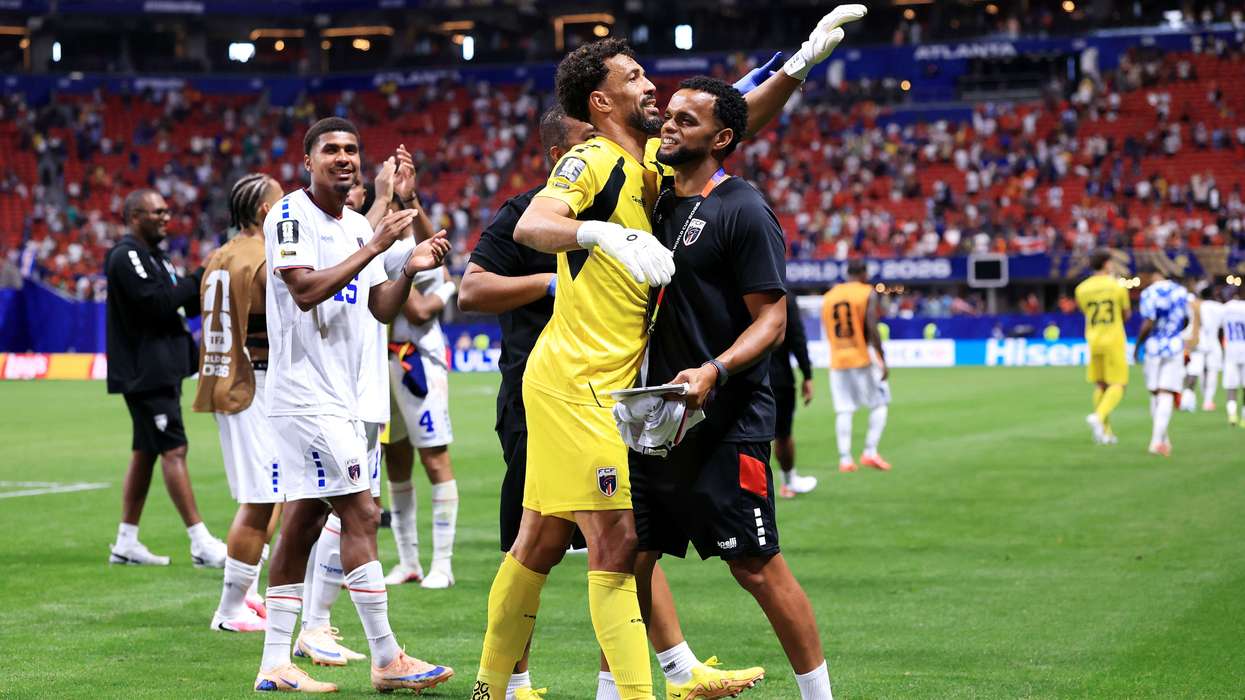
 Messi scored a hattrick against Algeria level with Miroslav Klose's World Cup record of 16 goals. Getty Images
 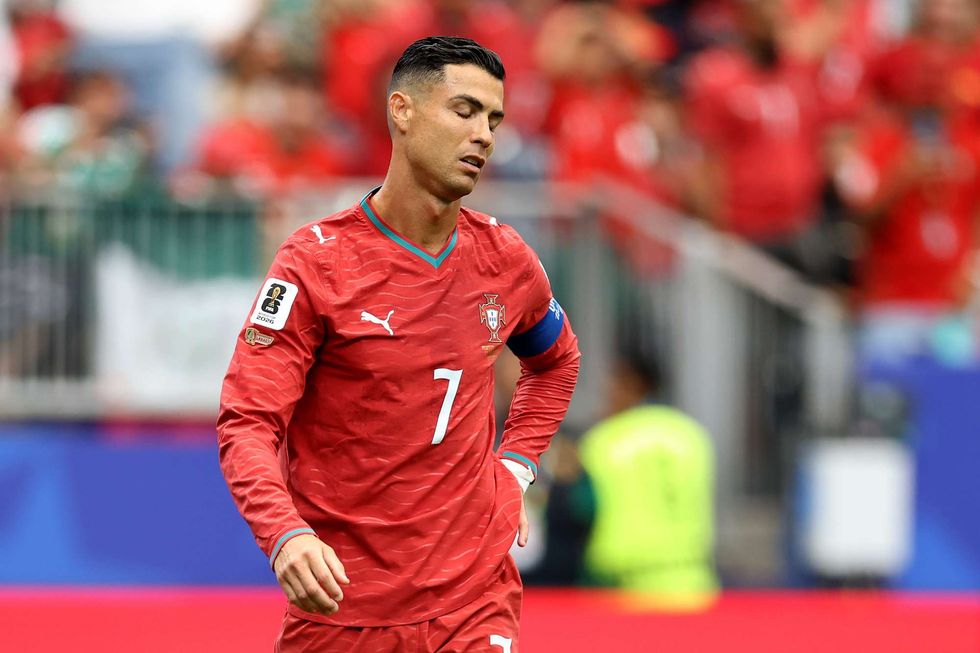 Cristiano Ronaldo reacts during the Group K match between Portugal and Congo DR at Houston Stadium on June 17.Getty Images
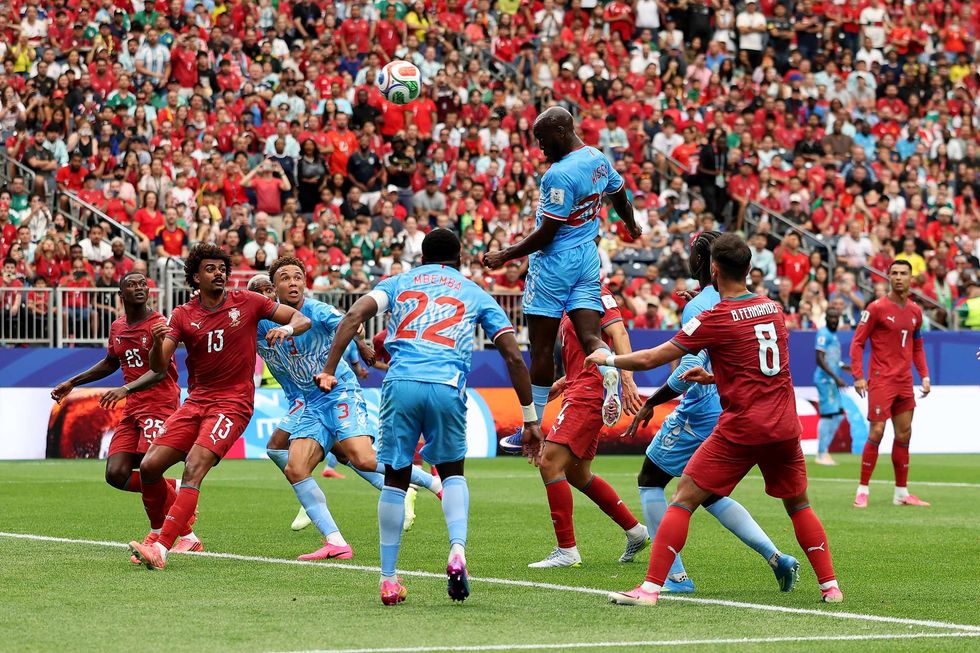 Yoane Wissa of Congo DR scores his team's first goal during the FIFA World Cup 2026 Group K match between Portugal and Congo DR at Houston Stadium on June 17.Getty
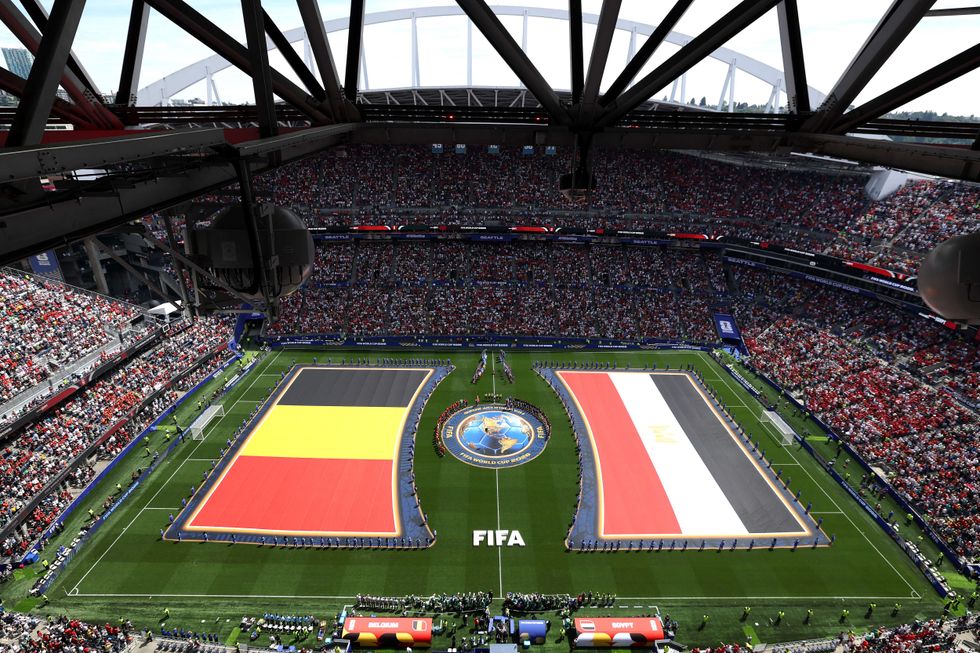 Crowds have remained strong during the World Cup games despite high ticket prices.Getty Images