
PAKISTAN and Taliban authorities in Afghanistan resolved the recent row over border fencing, a media report said on Saturday (25).
They agreed that further work on the project that led to a tense situation would be done through consensus.
A senior official, who spoke to a group of journalists on Friday (24), said it has been decided at a senior level that fencing-related issues would in the future be dealt with through mutual agreement.
The official, however, did not specify at which level the talks between Pakistan and the de facto Afghan government were held after Wednesday's (22) incident in which Taliban fighters disrupted border fencing and took away spools of barbed wire, the Dawn newspaper reported.
The fighters had then also warned Pakistani soldiers against resuming fencing. The incident led to a tense situation in the area, it said.
Defence ministries of the two sides later held talks on the issue. The Taliban ministry of the border and tribal affairs also reportedly took part in the parleys.
The official said Taliban defence minister Mullah Yaqoob visited the area on Wednesday and defused the situation.
"The dispute has been quietly and calmly settled," he said.
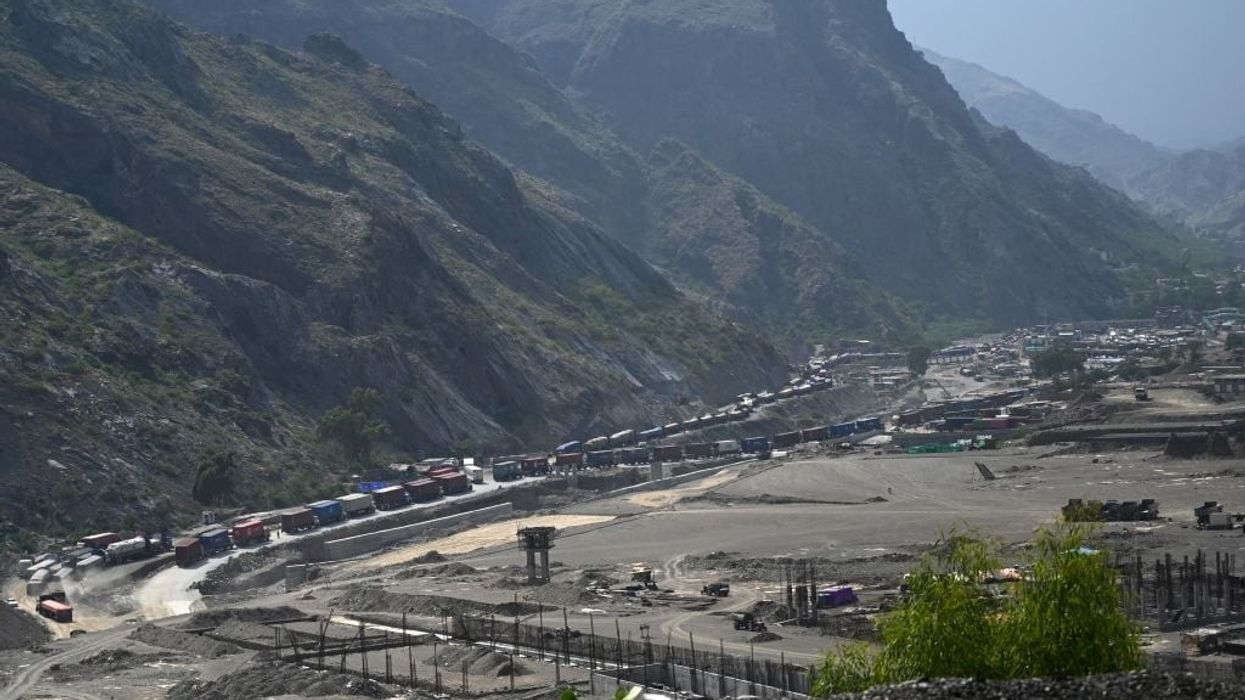
Pakistan has been fencing the 2600-kilometre-long border with Afghanistan since 2017 to end terrorist infiltration and smuggling despite opposition from the neighbouring country, the report said.
Besides fencing, the project also includes the construction of border posts and forts, and the raising of new wings of Frontier Corps, the paramilitary force that guards the border.
The official said 90 per cent of the fencing had been completed.
A large part of the fence has been constructed in the inhospitable terrain and in some places at very high altitudes. The fencing is expected to be completed at a cost of about $500 million (£373.48m).
The fencing has been a contentious issue in Pakistan-Afghanistan ties because the Afghans dispute the border demarcation done during the colonial period.
Pakistan, however, insists that the line separating the two countries, also called the Durand Line, is the valid international border.
The differences over the status of the border have been so intense that they have in the past resulted in several fatal clashes between the troops of the two countries.
Pakistan’s construction teams installing the fence have on a number of occasions endured cross-border attacks by terrorists, the report said.
Islamabad had always hoped that the Afghan Taliban would help in settling the longstanding matter. However, that has not been the case.
The Taliban did not resolve the issue when they were in control of Afghanistan from 1996 to 2001 and have not done anything substantive to address it this time either so far, the report said.
Taliban spokesman Zabiullah Mujahid, who is currently the acting culture and information minister, had earlier rejected the fencing of the border by Pakistan.
(PTI)