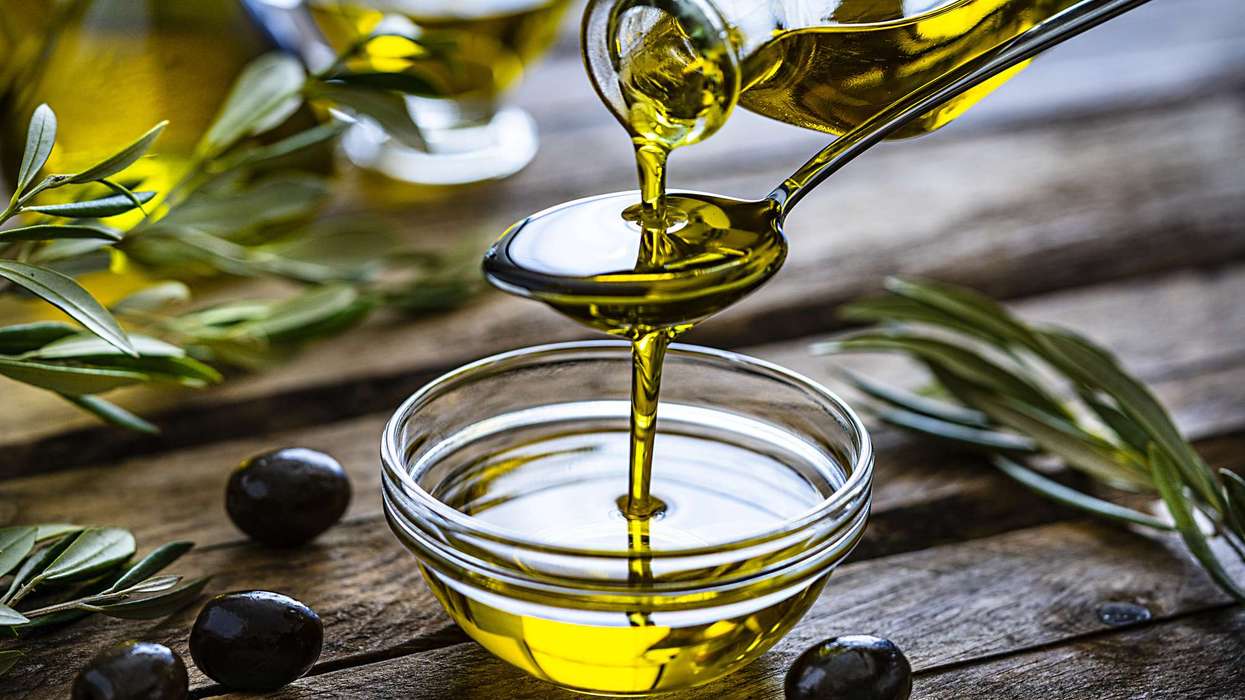

- Olive oil prices have dropped twice, but retail prices remain elevated.
- Supermarkets accused of delaying price cuts despite falling costs.
- UK supply dependence and pricing lag continue to shape consumer impact.
Olive oil prices have started to ease after a sharp surge in recent years, but UK consumers are still waiting to see meaningful relief at the checkout.
Industry figures suggest that while wholesale costs have fallen in recent months, supermarket prices have not adjusted at the same pace. The gap is now drawing criticism from producers, with Filippo Berio director Walter Zanre accusing retailers of holding back price reductions.
A 500ml bottle of olive oil that stood at around £10.50 at the start of 2025 has fallen to about £7.50, but remains significantly higher than the £3.75 seen in 2022. Despite this drop, shoppers are yet to benefit fully from the easing costs.
Prices fall at source, not on shelves
Zanre reportedly said supermarkets had not passed on price cuts despite reductions being implemented twice over the past year. He suggested retailers may be maintaining higher margins after seeing that consumers continued buying even as prices rose.
“We brought prices down twice last year and it’s not all been passed on to the consumer,” he reportedly said, adding that the situation was “immensely frustrating”.
The issue reflects a broader pattern in food pricing. While increases in costs are typically passed on quickly, reductions often take longer to filter through. In the case of olive oil, industry estimates suggest that retail price adjustments can lag by around 8 to 12 weeks after wholesale changes.
This delay, often referred to as asymmetric price transmission, has been observed across several staple products including milk, bread and cooking oils.
Retailers, however, have defended their pricing approach. Andrew Opie, director of food and sustainability at the British Retail Consortium, reportedly said supermarkets operate on tight margins and work to pass on savings wherever possible, while also responding to competitive pressures and consumer behaviour.
Supply shocks still shaping prices
Underlying supply conditions continue to influence how quickly prices adjust.
The UK remains heavily reliant on imports, with Spain accounting for around 40 to 50 per cent of supply. This concentration makes prices particularly sensitive to harvest conditions in a single region.
In recent years, poor weather and weaker harvests in Spain sharply reduced output, with production falling from nearly 1.5 million tonnes in 2021–2022 to 666,000 tonnes in 2022–2023, before recovering slightly to 854,000 tonnes in 2023–2024.
This year, production is expected to rebound to around 1.37 million tonnes, raising expectations that prices could stabilise further. However, any improvement may take time to fully reflect in retail pricing.
At the same time, differences between product segments are becoming more visible. Supermarket own-brand olive oils are typically adjusting prices more quickly, while premium branded products remain comparatively higher, widening the gap between private label and branded offerings.
For now, the result is a disconnect between falling costs and consumer prices. While supply conditions are improving and wholesale prices are easing, the benefits appear to be reaching shoppers more slowly.
As olive oil prices stabilise globally, attention is likely to remain on how quickly those changes are passed through to supermarket shelves in the UK.
Also read: 5 Ways Dynamic Pricing Could Change Your Grocery Bill | EasternEye