
Highlights
- “Dancing Threads” to document dance heritage across Oldham and Tameside
- Residents invited to share memories, artefacts and personal stories
- Free training offered in oral history and archiving
- Project to end with exhibition at The Vale in April 2027
Preserving movement through memory
A new heritage initiative is turning to local communities in Oldham and Tameside to map the region’s rich dance traditions, linking past and present through personal stories.
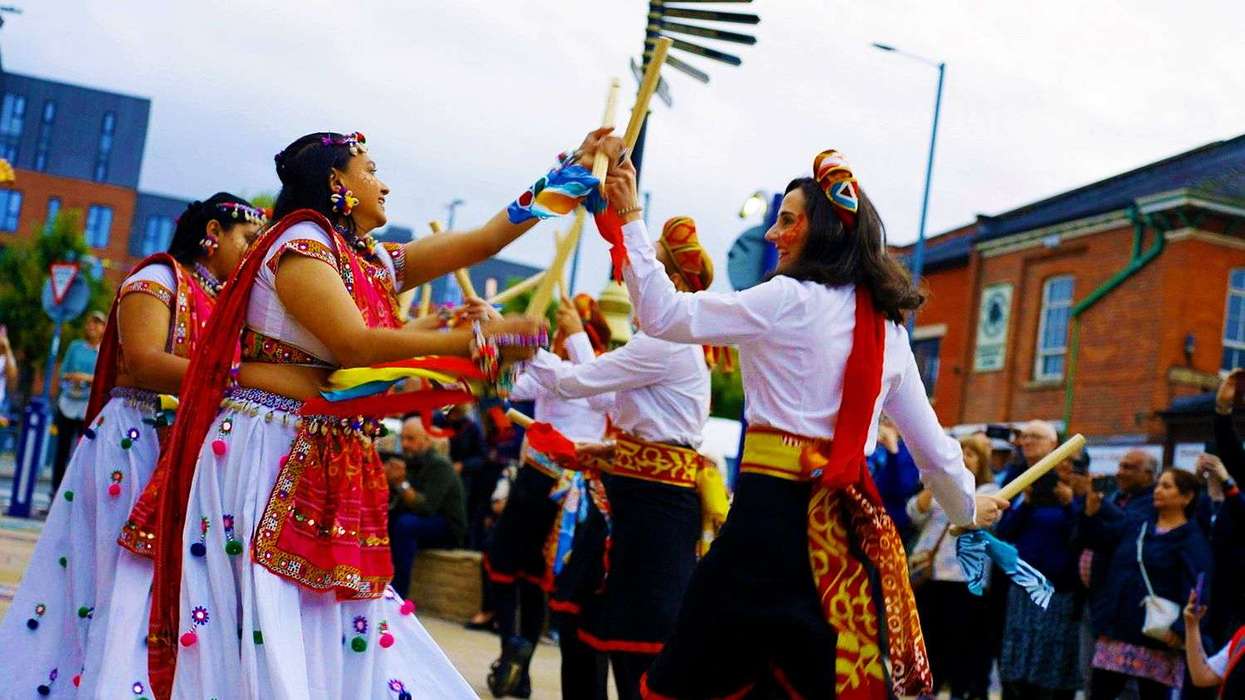
The project, titled “Dancing Threads”, will document forms ranging from South Asian styles to Morris dance, drawing on the lived experiences of residents. Organisers aim to collect photographs, artefacts and recorded memories, all of which will contribute to both an exhibition and a publicly accessible digital archive.
Community at the centre of the archive
Developed by Global Grooves, the project is designed as a collaborative effort, encouraging participation from across generations. Local residents can take part in multiple ways, from sharing their own experiences to helping build the archive itself.
Volunteers will be offered free training in oral history methods, giving them the skills to conduct interviews, research artefacts and organise collected materials. The aim is not just to preserve stories, but to involve communities directly in how those histories are recorded.
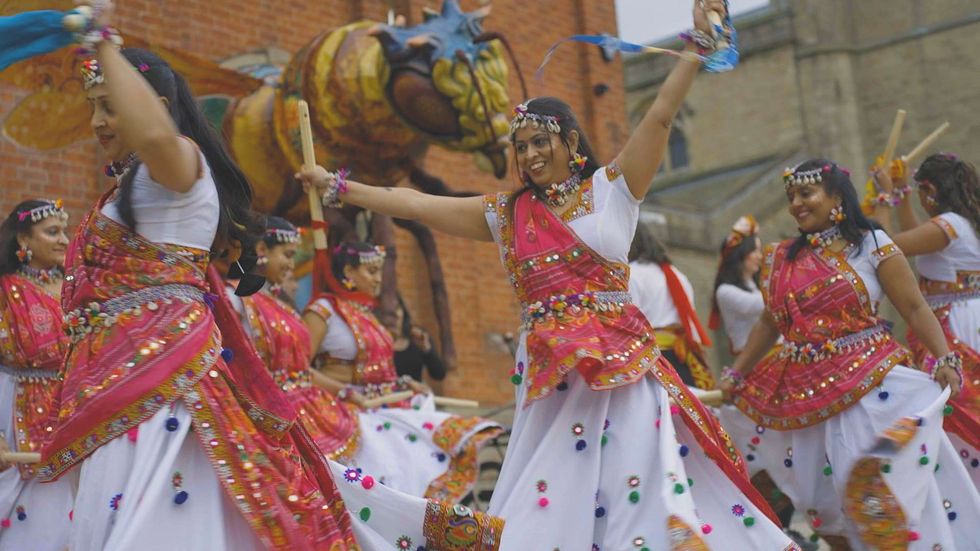 Free training offered in oral history and archiving Global Grooves
Tracing dance through industry and migration
Organisers are particularly keen to hear from those connected to dance in all its forms, including performers, musicians and long-standing community members. The project will also explore how traditions have been shaped by the area’s industrial past, including its mill heritage, as well as migration and global cultural exchange.
Participants may contribute through recorded interviews, photographs or personal items that reflect the role dance has played in their lives and communities.
Alongside the archive, artists are being invited to respond creatively to the collected material. Around eight micro-commissions and one larger commission worth £5,000 will be awarded as part of the programme.
“Dancing Threads” will culminate in an exhibition and public celebration at The Vale in April 2027, bringing together the stories and traditions gathered over the course of the project.
Building on a growing cultural exchange
The initiative follows on from “The Worker Becomes Queen”, a project that saw artists from the region take part in a cultural exchange in Barcelona, including performances at the La Mercè festival. That programme highlighted dance as a living link between place, history and identity.
With support from the National Lottery Heritage Fund, “Dancing Threads” extends that idea, focusing on how traditions evolve across generations while remaining rooted in community life.

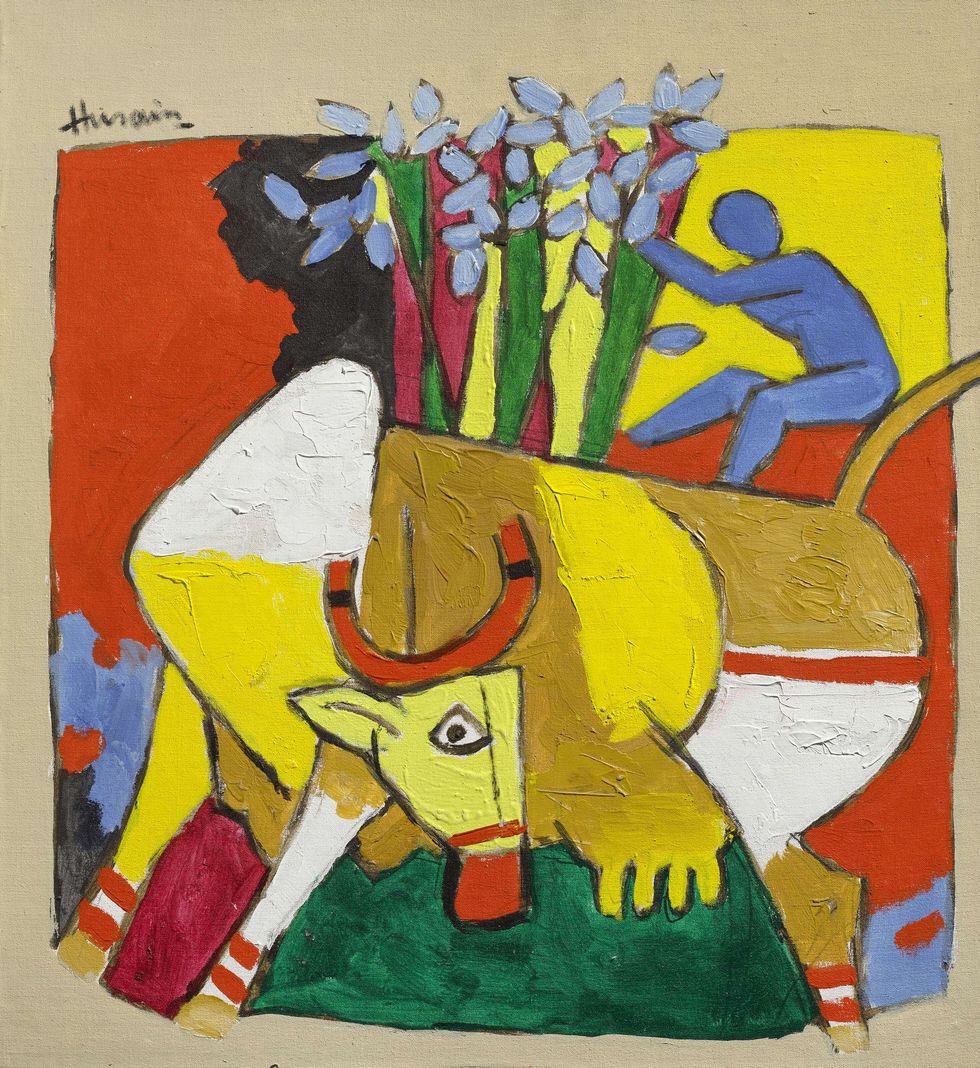 Untitled (Bull) by MF HusainChristie's
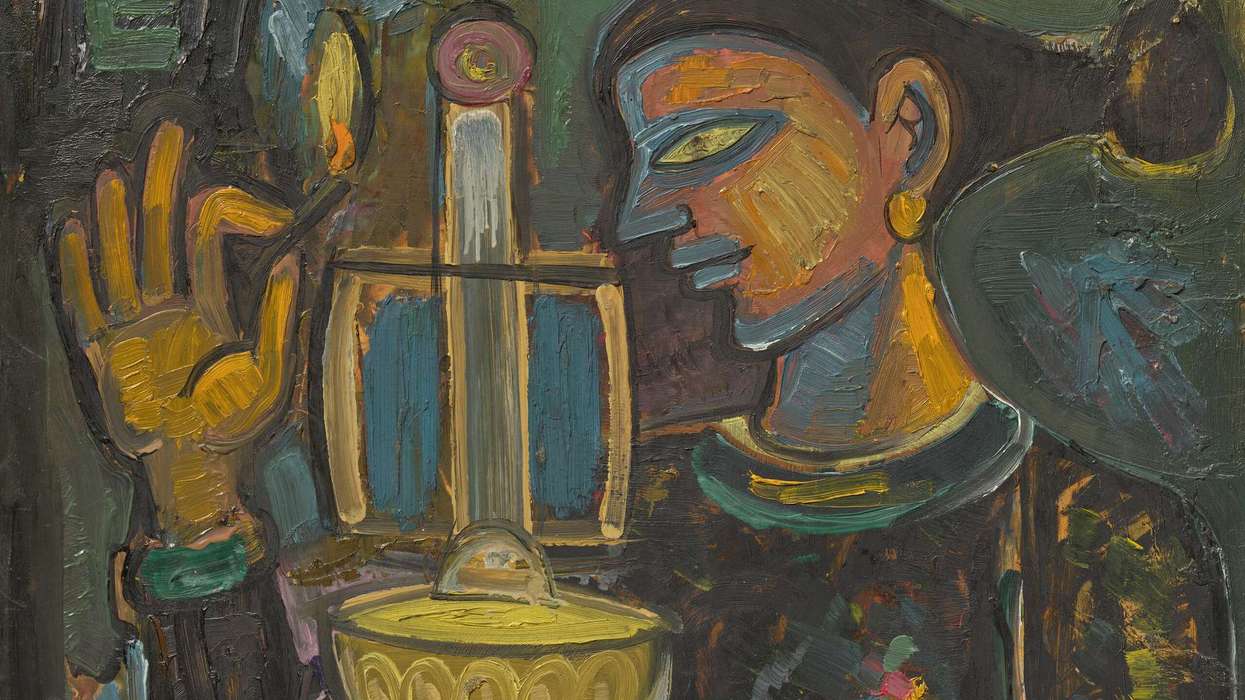
 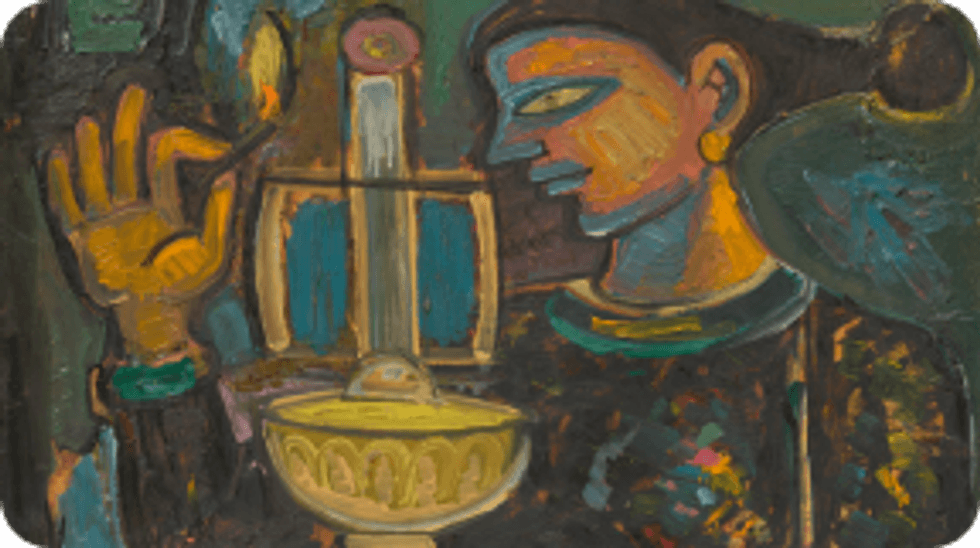 Woman with Lamp by Francis Newton Souza
 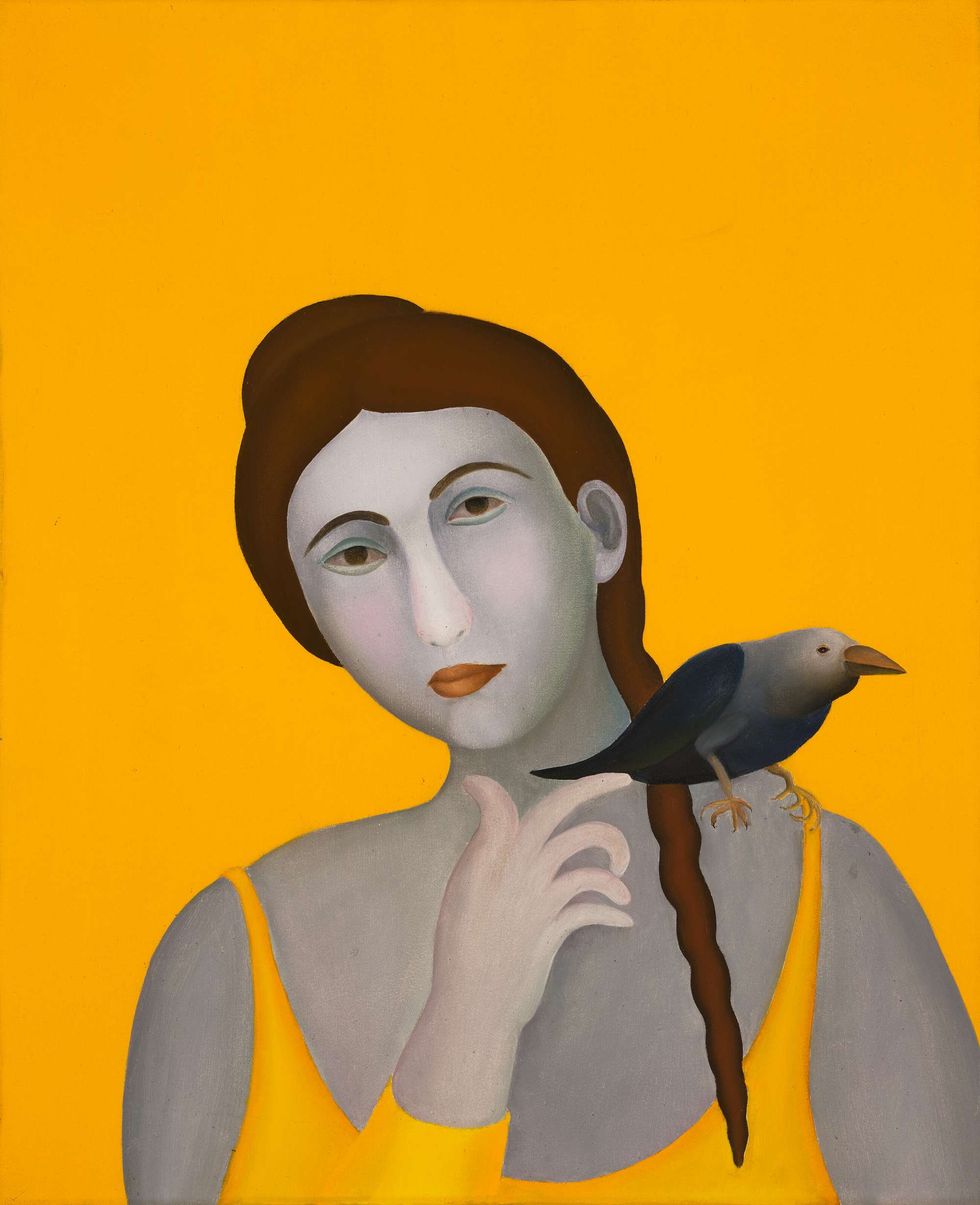 Untitled (Woman with Bird) by Manjit BawaChristie’s
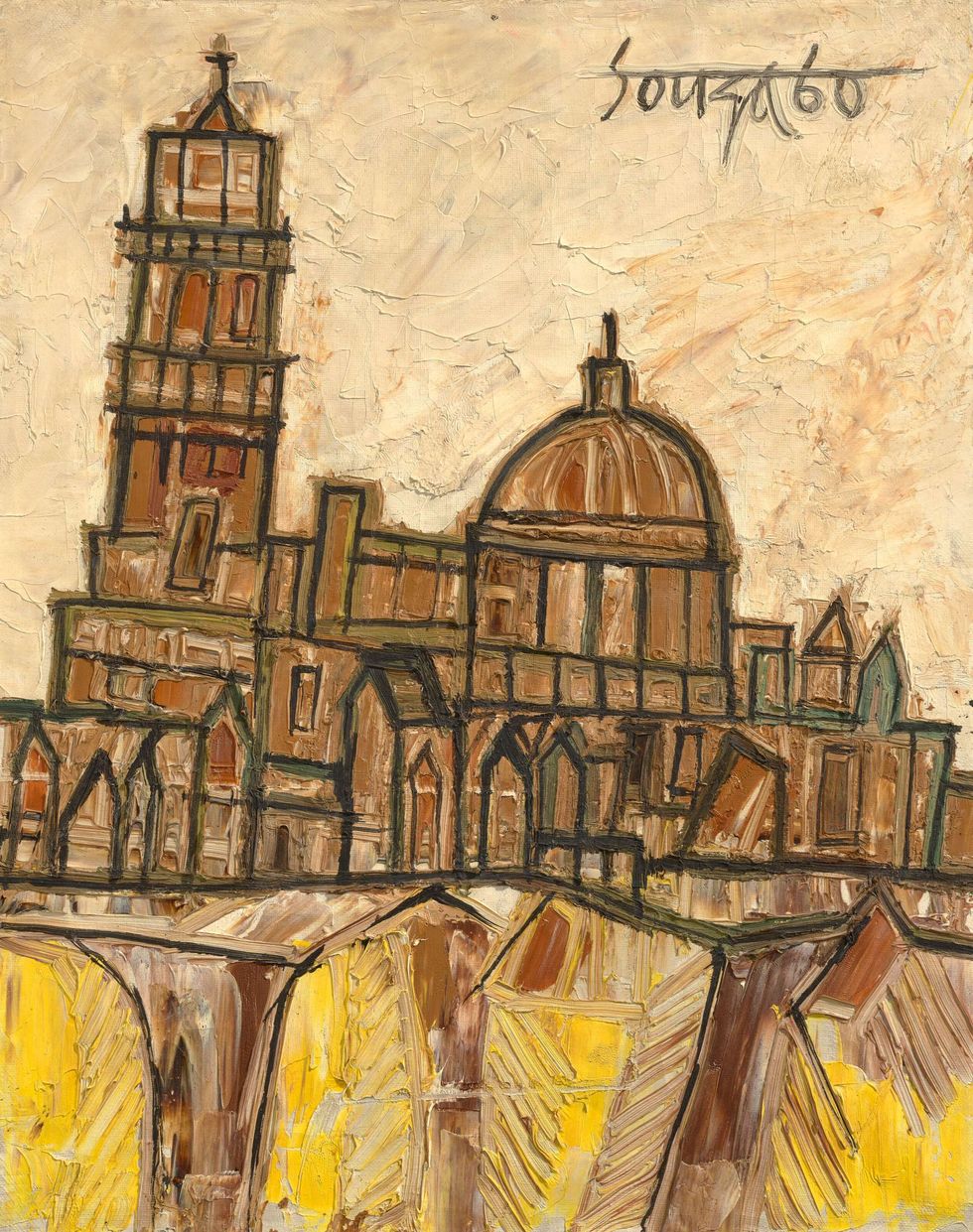 Rome, Church by Tiber by SouzaChristie’s