
by LAUREN CODLING
AFFORDABLE cancer treatment plans and “cutting-edge” technology projects, including driverless cars and artificial intelligence, were just two of the collaborative plans unveiled
by India and the UK last Wednesday (18).
The announcements were made during Indian prime minister Narendra Modi’s visit to London last week, when he met the Queen, Prince Charles and his UK counterpart Theresa May as well as attended the Commonwealth Heads of Government Meeting (CHOGM).
Last Wednesday, India and the UK also announced they would sign £1billion worth of new
commercial deals after Brexit.
May said: “Our trade partnership with India is showing how we can remove barriers to increase trade between our two countries.”
The collaborative projects relating to health, technology and science are expected to generate thousands of new jobs across the UK.
Britain is currently India’s second largest research partner, with funding contributed to 175
different research institutions between the two countries.
Joint plans to further health partnerships, including the growth of 11 so-called ‘Medicities’
in India with multi-specialist hospitals comprising 1,000 beds and a 200-seat nursing and
150-seat medical colleges, were confirmed by health officials in the UK.
Health secretary Jeremy Hunt emphasised his pride that Britain’s National Health Service
(NHS) would be used as example of healthcare to India, stating it was right that the UK’s expertise is shared across the globe.
“Global disease, infection and antimicrobial resistance are real threats to us at home and abroad – this partnership will enable us to tackle 21st century threats together,” Hunt said.
New tech alliances were also unveiled, with the UK pledging £14 million for a four-year technology partnership with India which will initially focus on developing driverless cars, virtual reality and artificial intelligence.
Britain has also expanded the Super Priority Visa (SPV), a service which provides customers with 24-hour decisions concerning visas, in two additional locations in India – Pune and Bangalore.
A second UK-India Tech Summit was also confirmed, following on from the 2016 summit attended by May, as it promised to bring together “leading innovators and scientists” to look at “pressing” matters such as data privacy issues.
The UK’s digital secretary, Matt Hancock, welcomed the move, saying, “The ambitious
UK-India Tech Partnership will bring together some of the best minds working in tech to unlock its future potential and deliver high-skilled jobs and economic growth in both countries.”
Science minister Sam Gyimah confirmed the continuation of a research affiliation between the two countries with investment in agriculture, clean energy, global health and the environment.
He also confirmed steps towards a joint advanced manufacturing centre.
On the alliance, Gyimah said the combination of the “brightest” innovators would strengthen the learning bridge between the countries and ensure further progress than if working alone.
“Together we will continue to build our unique relationship, ensuring it is a partnership that
brings benefits to countries across the world through world class research that address
shared goals,” he said.
Research projects and funding plans, created by funding directors UK Research and Innovation (UKRI), include a £7m joint programme intended to increase the quality of pulses and oilseeds grown for food; a £3.5m programme to address issues around rapid urbanisation and a £16m programme attentive on reducing industrial waste and pollution.
It was additionally confirmed a Weather and Climate Service Partnership for India (WCSSP India) would be established, as a statement of intent was signed by the Met Office and the Indian Ministry of Earth Sciences (MOES).
The UK have also agreed to help in sustaining management for the water resources for India’s Ganga Basin, known for its heavy levels of pollution.
Within the forces, UK and India said they would commit to work closely to tackle terrorism
and threats to cyber security. Mark Lancaster, minister for armed forces, said: “By working
together to combat terrorism, tackle cyber threats and build regional security, we are keeping both our countries safe.”
Plans to share skills and technologies between armies was agreed too.
In his four day visit to the UK, Modi attended various high-profile events including an audience with the Queen at Buckingham Palace; a formal dinner to mark the launch of the Commonwealth Heads of Government Meeting (CHOGM); the fourth meeting of the UK-India CEO forum; a bilateral summit with May in which significant agreements were signed, and a chance to look at an Indian-inspired exhibition at London’s Science Museum alongside Prince Charles.
The Indian leader also helped to launch a new Ayurvedic Centre of Excellence, marked by an MoU between the All India Institute of Ayurveda and College of Medicine in the UK.





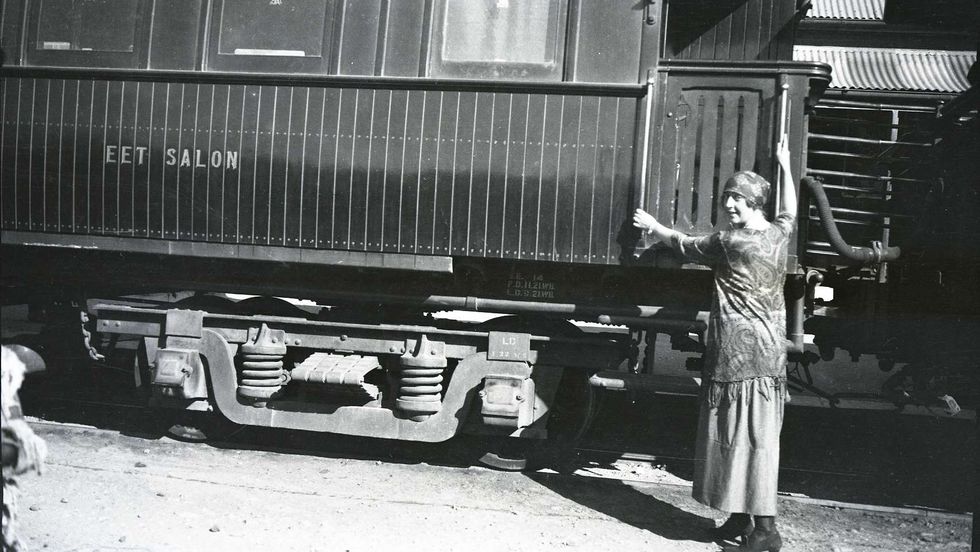 Agatha Christie boarding the EET Salon at lunchtime on the train from Bulawayo to the Cape. In 1922 Agatha Christie set sail on a 10-month voyage around the world. Her husband Archie had been invited to join a trade mission to promote the British Empire Exhibition and Agatha was determined to go with him The Christie Archive Trust
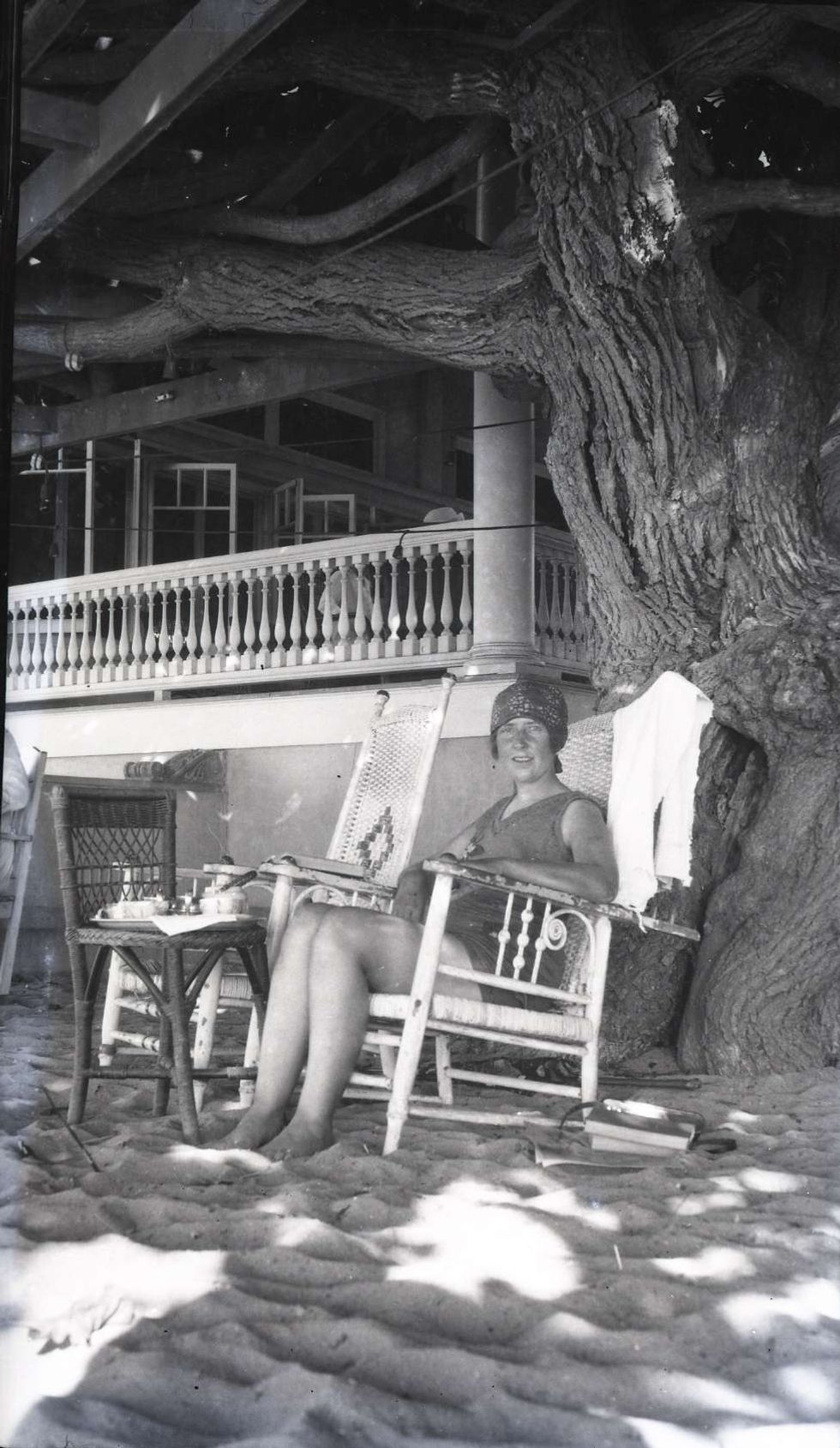 Agatha Christie under a tree on Honolulu beach after surfing, 1922. Agatha and her husband Archie were permitted to take a short holiday away from the 1922 trade mission and chose Honolulu where they learnt how to surf on longboards. Here Agatha purchased a surf suit in the local style, better suited to the demands of surfing than her swim attire for bathing in Torquay. The Christie Archive Trust
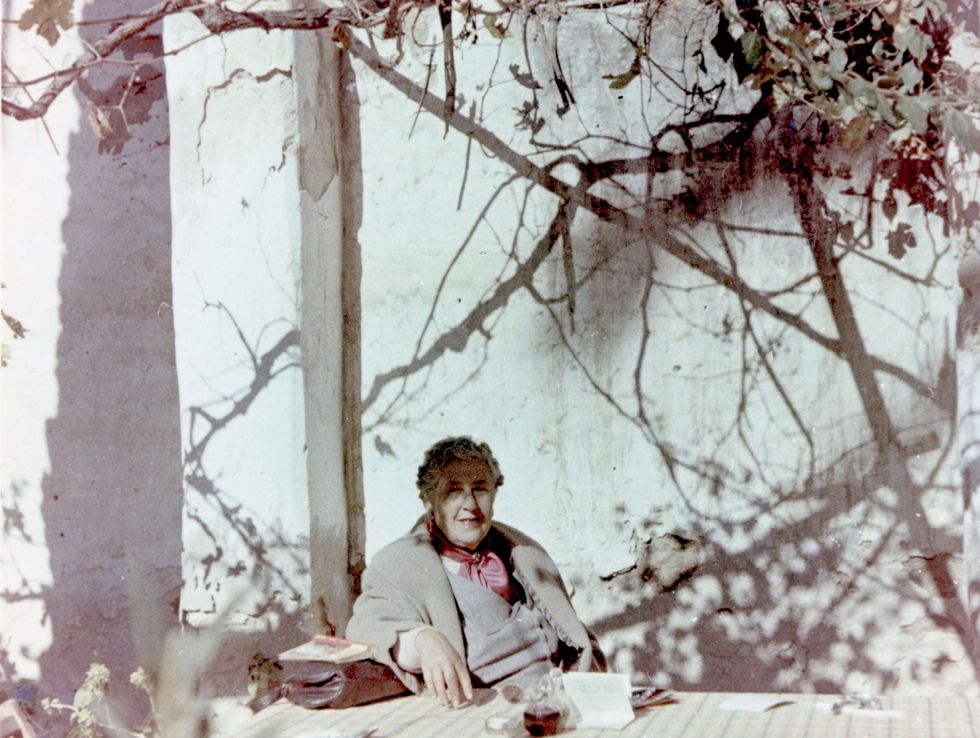 Agatha Christie relaxing during a sightseeing tour, Tajoura, Libya, 1955. Agatha and her second husband, archaeologist Max Mallowan had invited Agatha's daughter Rosalind and grandson Mathew to join them on a tour of the ancient sites of Leptis Magna and Sabratah during December 1955. The Christie Archive Trust
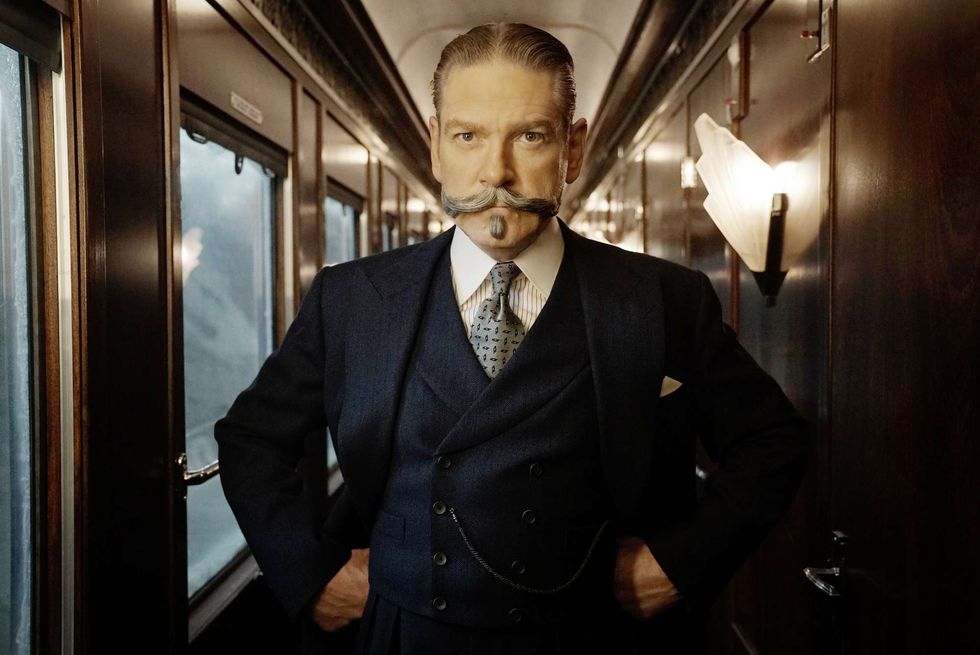 Kenneth Branagh as Hercule Poirot in Murder on the Orient Express, 201720th Century Studios
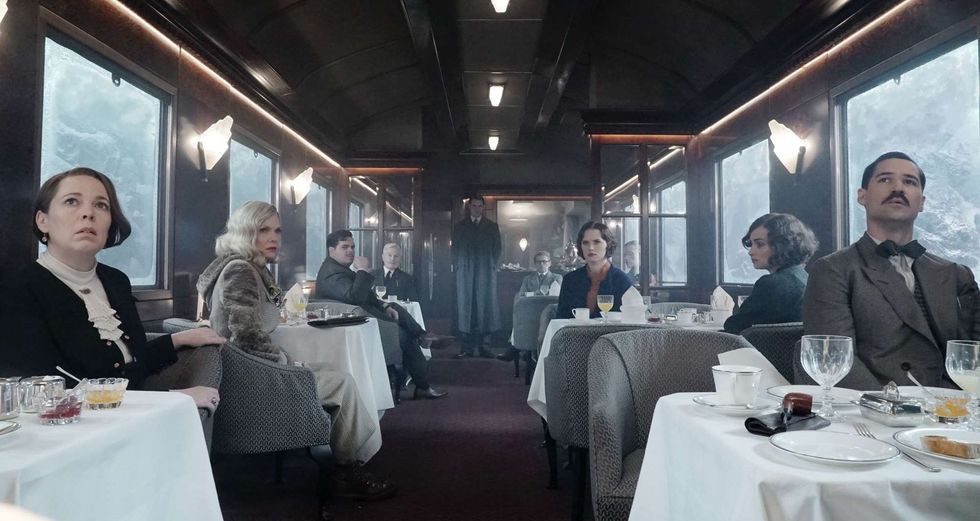 Still from Murder on the Orient Express, 201720th Century Studios
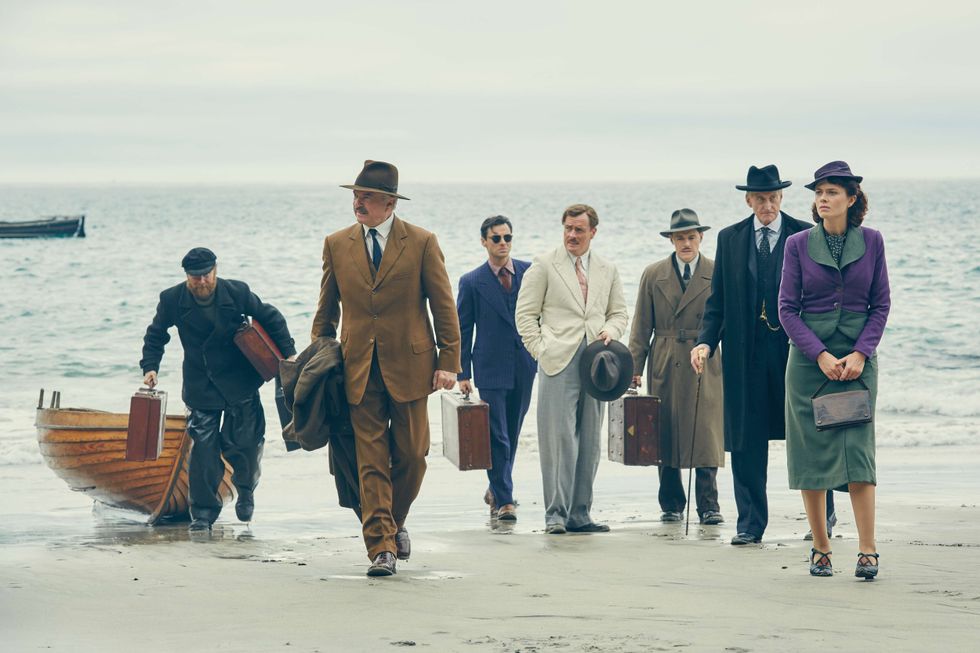 Still from And Then There Were None, 2015, BBC Agatha Christie Limited
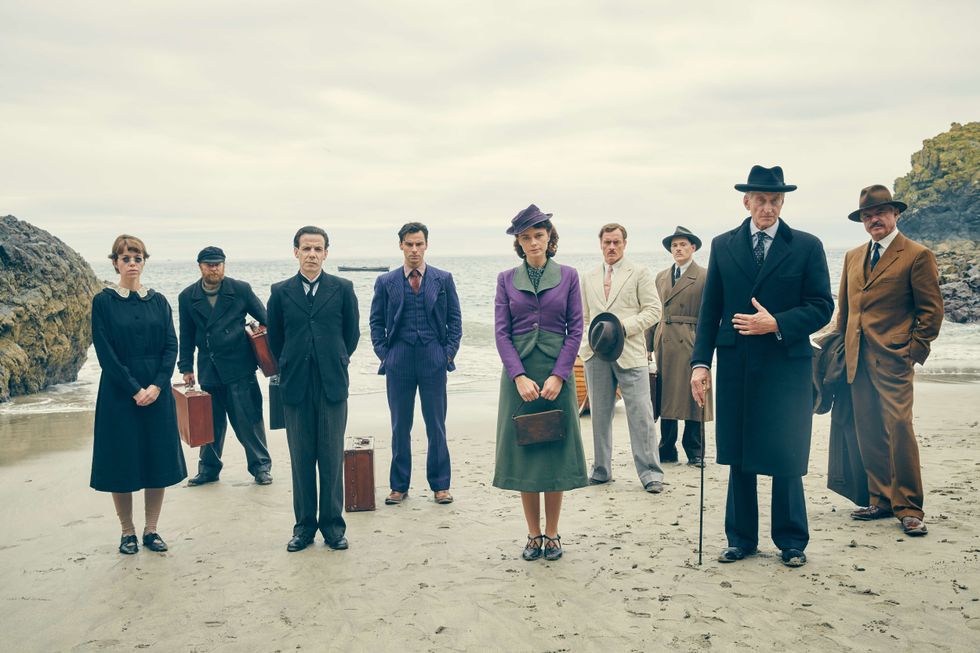 Still from And Then There Were None, 2015, BBCAgatha Christie Limited
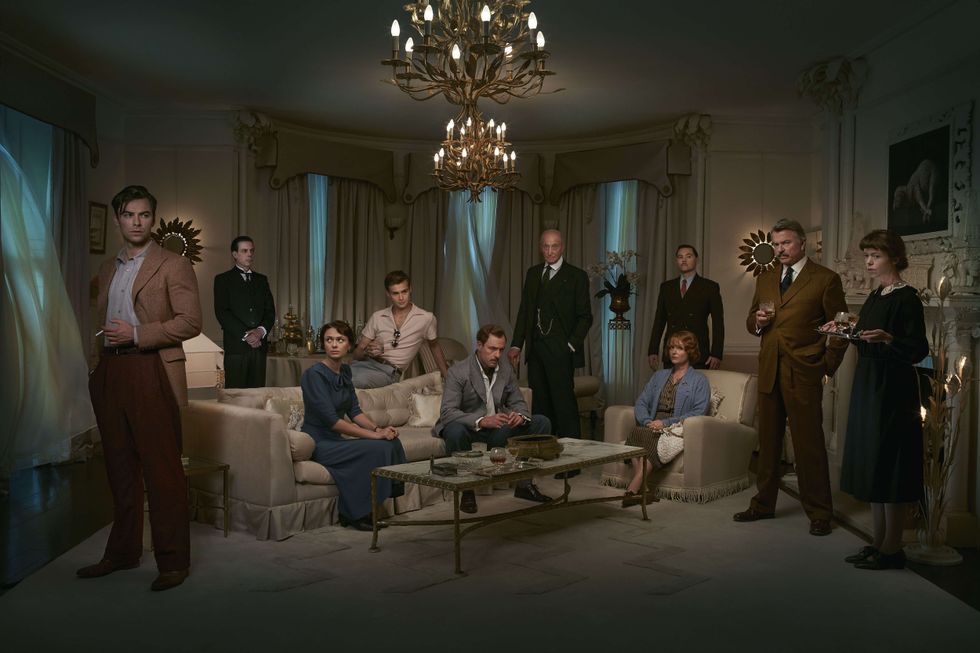 Still from And Then There Were None, 2015, BBCAgatha Christie Limited
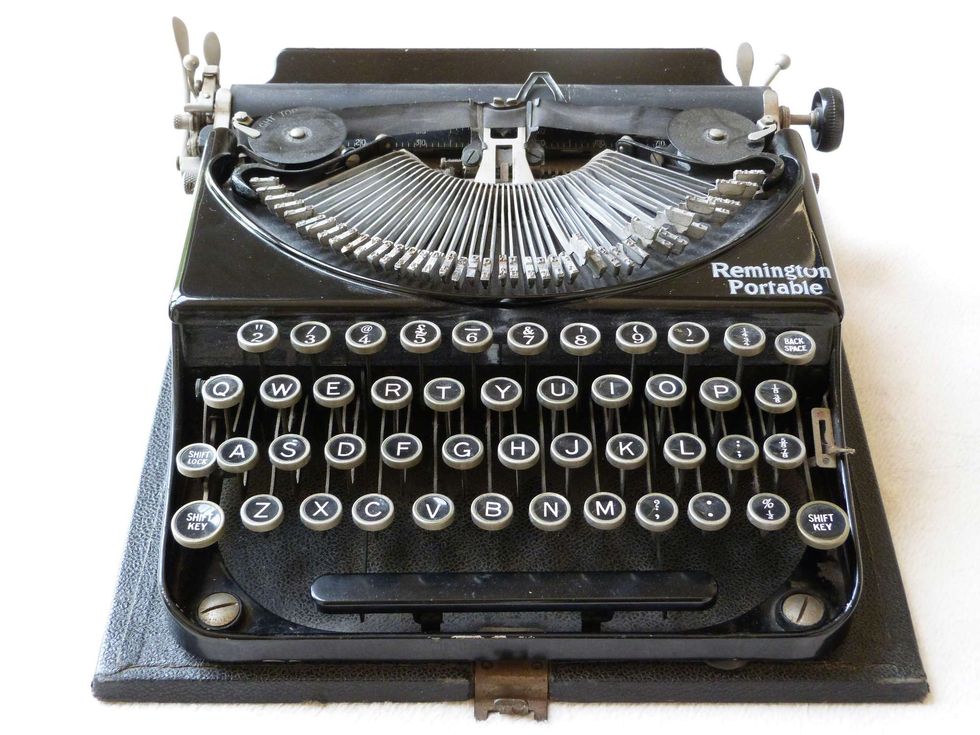 Agatha Christie’s Remington typewriter from 1937 The Christie Archive Trust
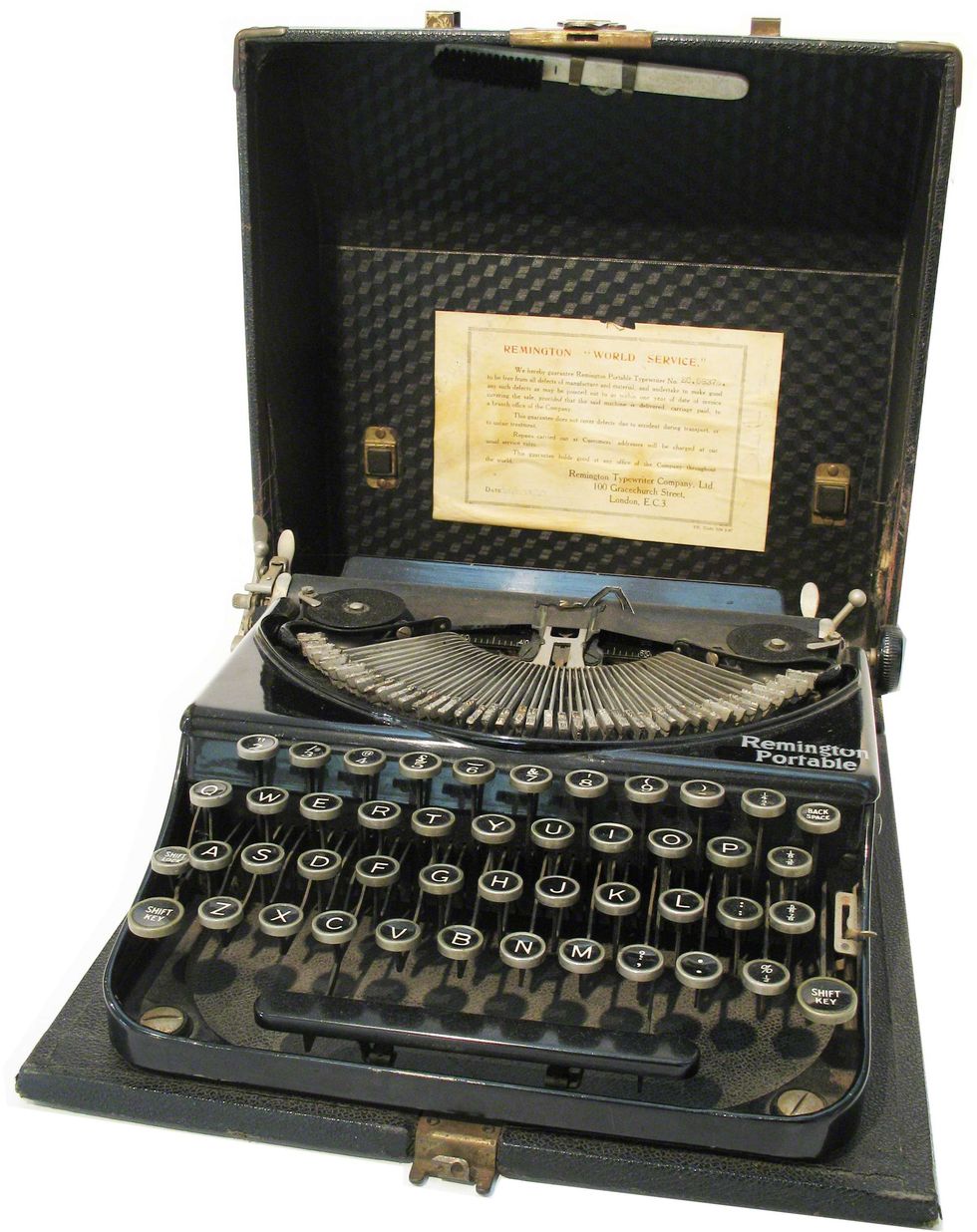 Agatha Christie’s Remington typewriter from 1937The Christie Archive Trust
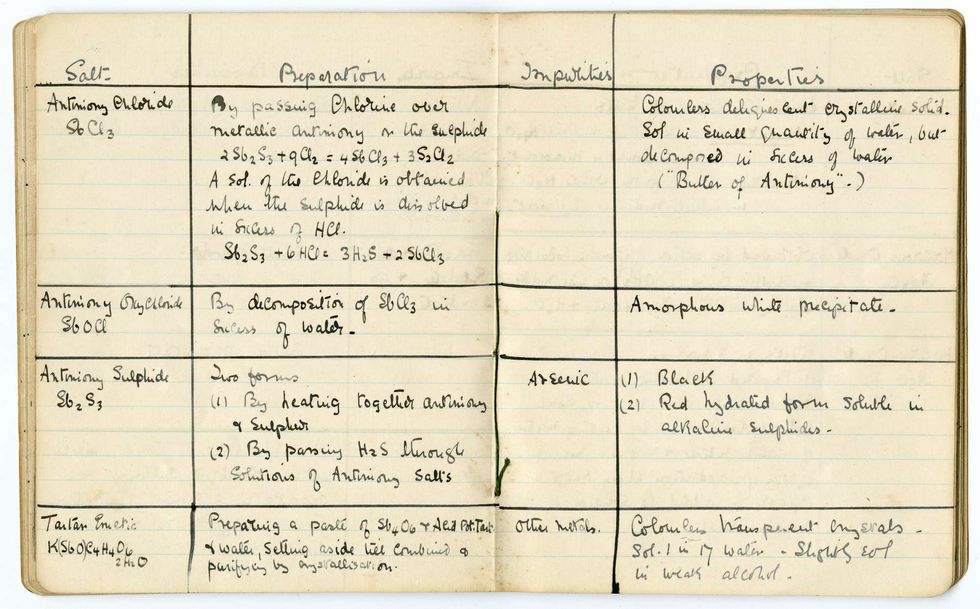 Agatha Christie’s study notes for her pharmaceutical exam taken in 1917The Christie Archive Trust
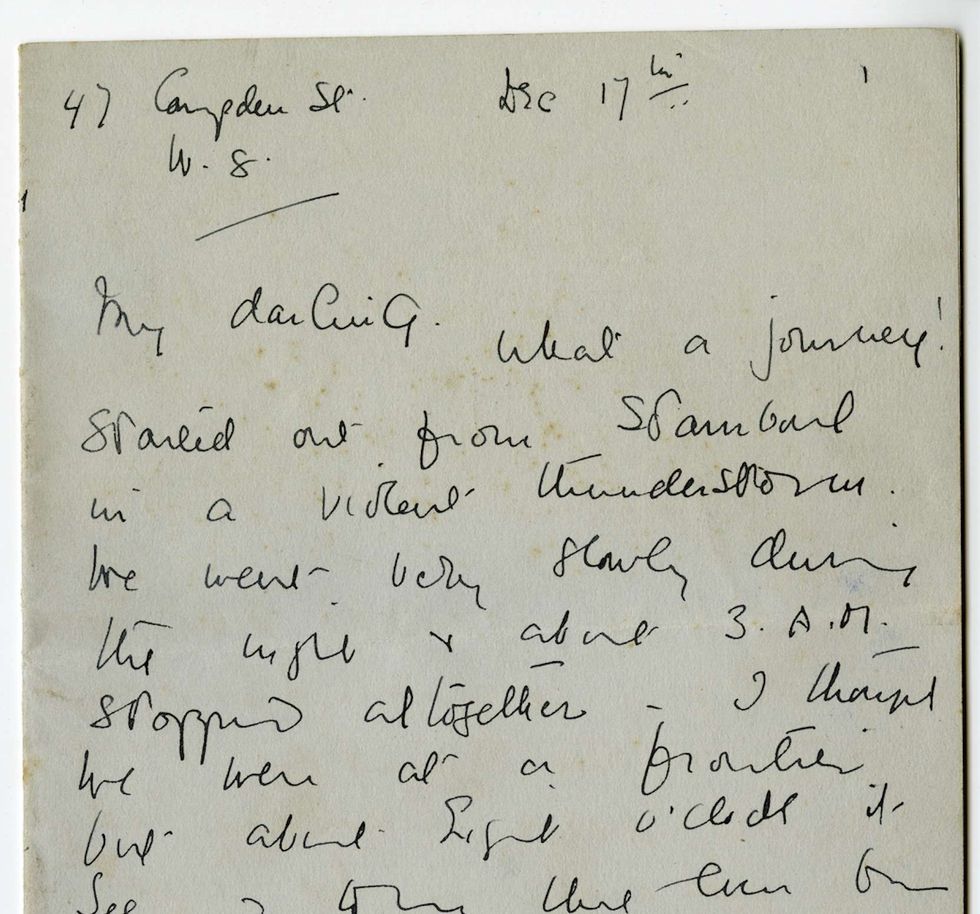 Letter from Agatha Christie to her second husband Max Mallowan, in December 1930. Agatha writes to Max describing her return home from their honeymoon, on the Orient Express. Documenting how the train had been halted by floods and her fellow travellers' reactions, this event would inspire her to write Murder on the Orient Express a few years later.The Christie Archive Trust
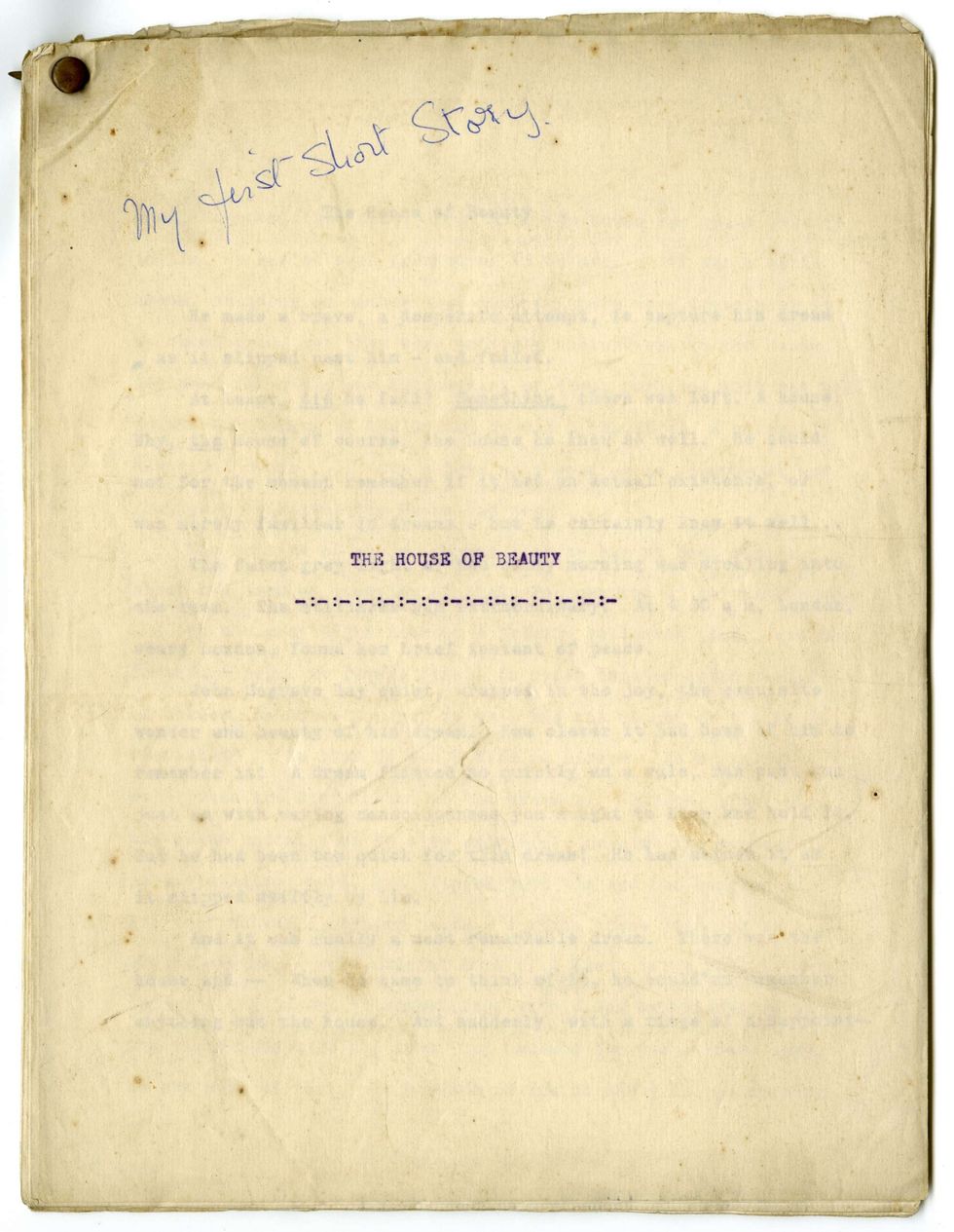 Cover of typescript ofHouse of Beauty, Agatha Christie’s first short story written when she was just a teenager.The Christie Archive Trust
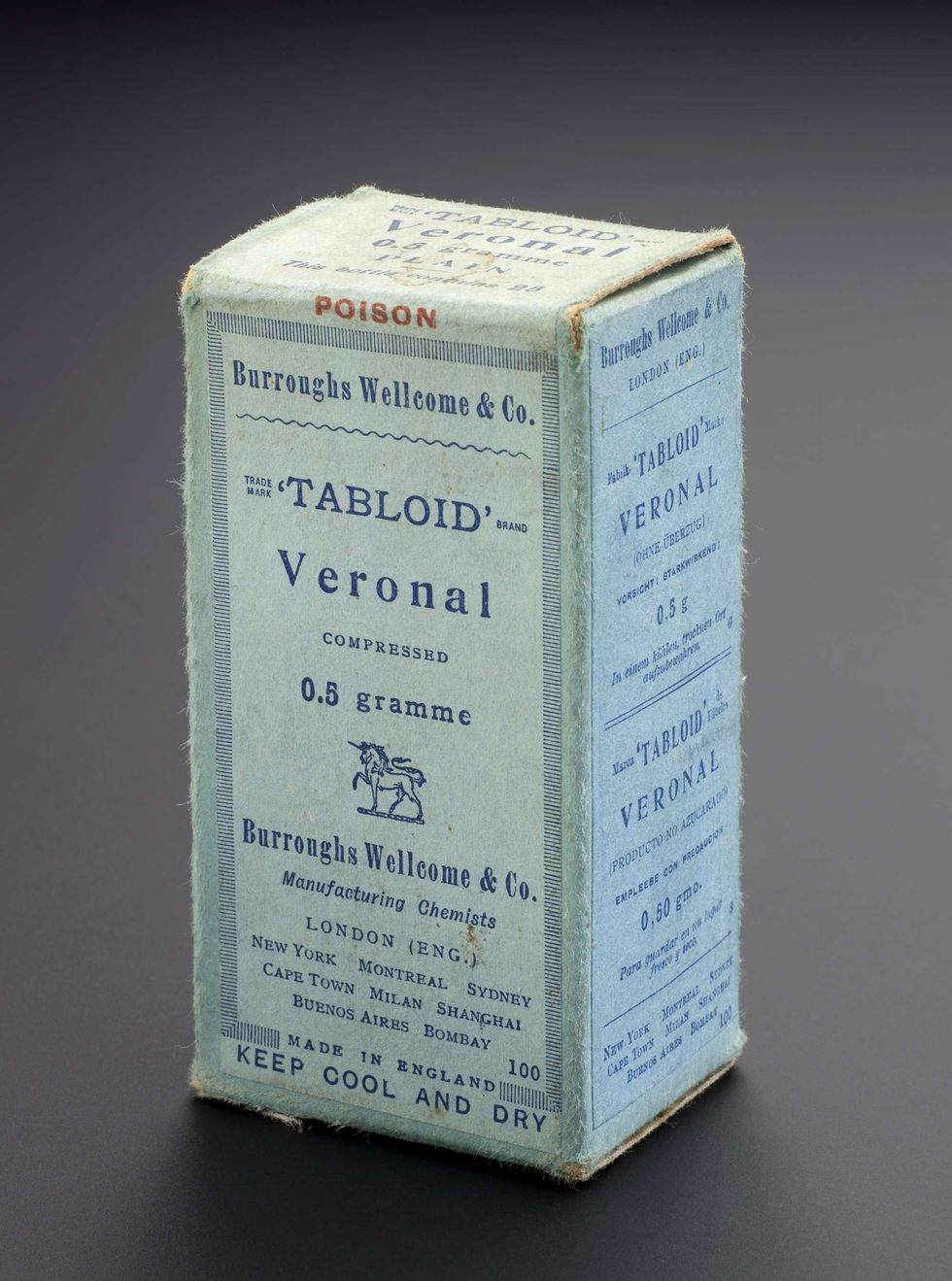 Box for Tabloid Veronal tablets,1910-1940 Science Museum Group
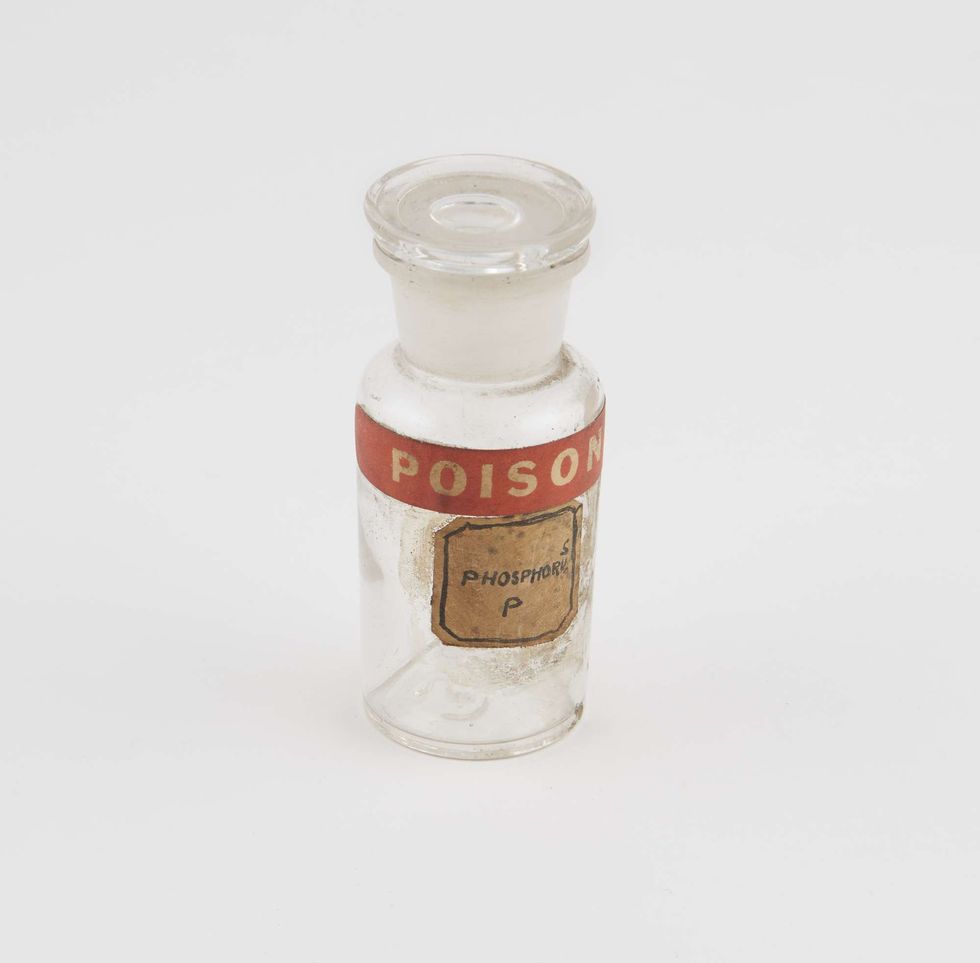 Chemical storage bottle and glass stopper, labelled ‘POISON phosphorus P’,1907-1912Science Museum Group
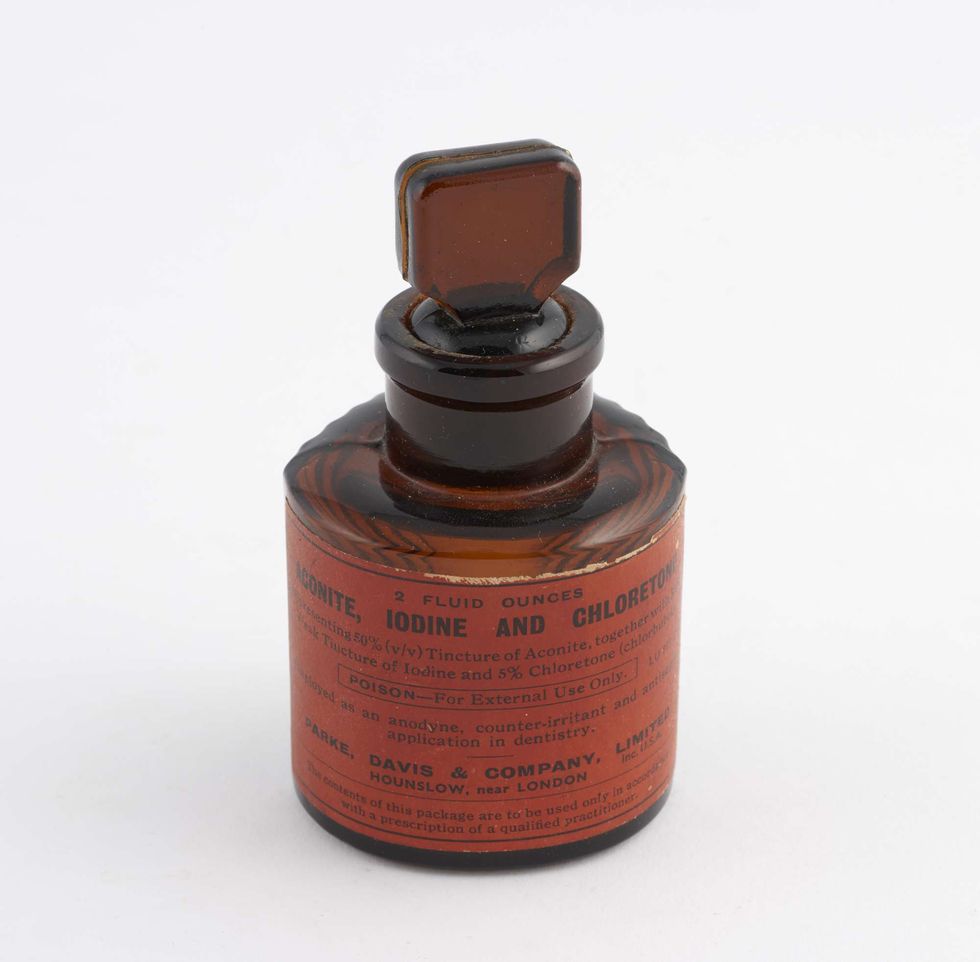 Empty poison bottle for aconite, iodine and chloretone solution,1925-1960Science Museum Group
 Newby Teas
