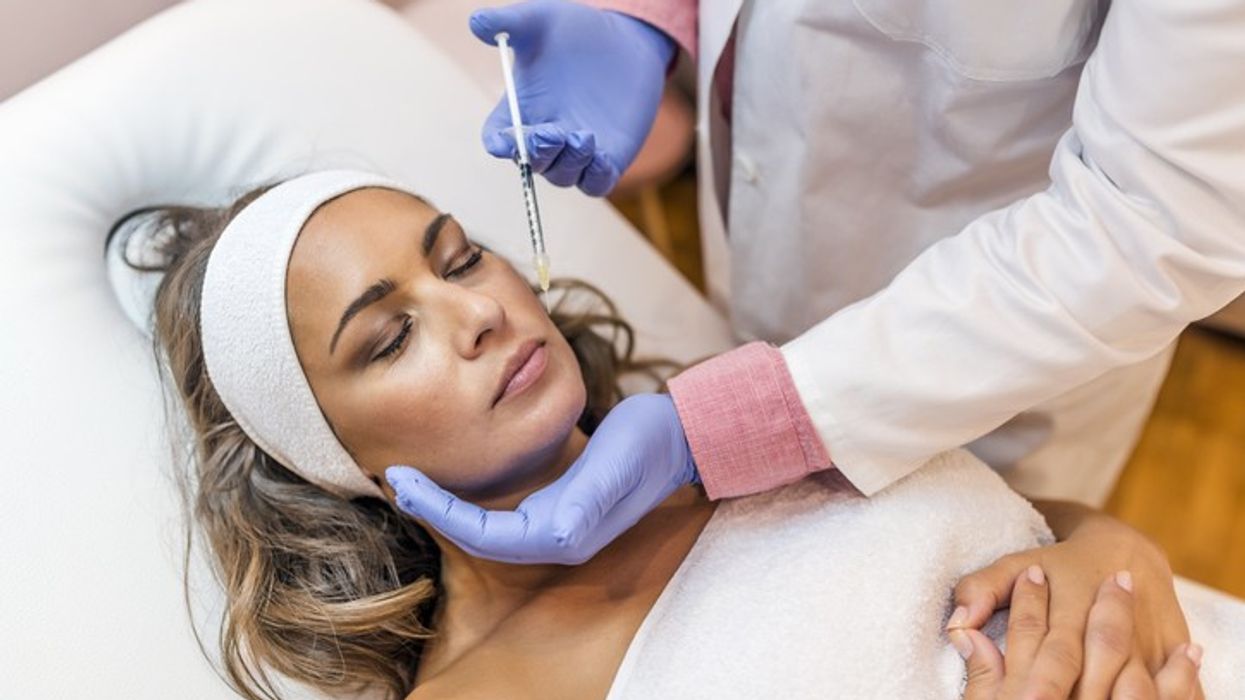

MPs have slammed the "complete absence" of regulation in non-surgical beauty treatments, such as botox-style injections and fillers, claiming such unregulated practices are putting Britons at risk, stated media reports. The parliamentary group has also proposed recommendations like making fillers prescription-only, psychological pre-screening of customers and a complete ban on under-18s for any such procedure to regulate the segment.
After a year-long review, the All-Party Parliamentary Group on Beauty, Aesthetics and Wellbeing (APPG) found that the complete lack of a legal framework around non-surgical aesthetic treatments has left consumers at risk and undermined the industry's ability to develop, the reports said.
Saying that demand for non-surgical procedures has "exploded" in recent years, APPG MPs claimed that the government has left the industry to regulate itself, despite concerns regularly raised by many within the sector. The committee also investigated practitioner standards and qualifications, the process of registration of practitioners or licensing, ethics and mental health considerations, and other “serious issues” around advertising and social media.
MPs have also called for fillers to be made prescription-only, psychological pre-screening of customers and the extension of the ban on under-18s for such other procedures.
While it is illegal for under-18s to receive botox or fillers, the MPs say this should be extended to other invasive treatments like thread lifts.
Despite the use of needles and the potential for serious complications, current laws state that an aesthetic practitioner does not need any mandatory qualifications, implying anyone can go on a basic training course and be allowed to perform the treatments, reports said.
"It's like the Wild West," said inquiry co-chairwoman and Labour MP Carolyn Harris.
"We have people who are selling training courses which are not worth the paper they are written on. We have practitioners who are destroying the industry's reputation by practising completely unqualified and we have victims who are scarred for life."
“We strongly urge the Government to implement the recommendations in our report and to take action to improve the situation for the benefit of the industry and public safety. Maintaining the status quo is simply not an option,” Harris said.
MPs' report also says that social media platforms have driven demand for treatments and since they are a platform to sell them, they must take responsibility for curbing "misleading advertisements".
Earlier this year, a BBC documentary exposed the dangers of unregulated thread lifts and Botox procedures, which reportedly can be learned online or at one-day training courses for as little as £150.
The investigation found 26 cosmetic training academies in Liverpool alone, which offered courses costing up to £5,000, but also as little as £150.