
Highlights
- UK-India FTA came into force on July 15, cutting tariffs and expanding market access.
- Government employment scheme aims to bring two crore young people into the formal workforce.
- More than 51,000 appointment letters were issued at Saturday’s (19) event
INDIA's prime minister Narendra Modi has said that trade deals are opening access to new markets for Indian entrepreneurs and workers.
Addressing a virtual event Saturday (19), Modi said India had signed 40 Free Trade Agreements and that these were creating “new doors of possibilities” for the country's youth.
“Such trade agreements pave the way for new partnerships for our entrepreneurs, open paths to new markets, and create new possibilities in careers for our youth,” he said.
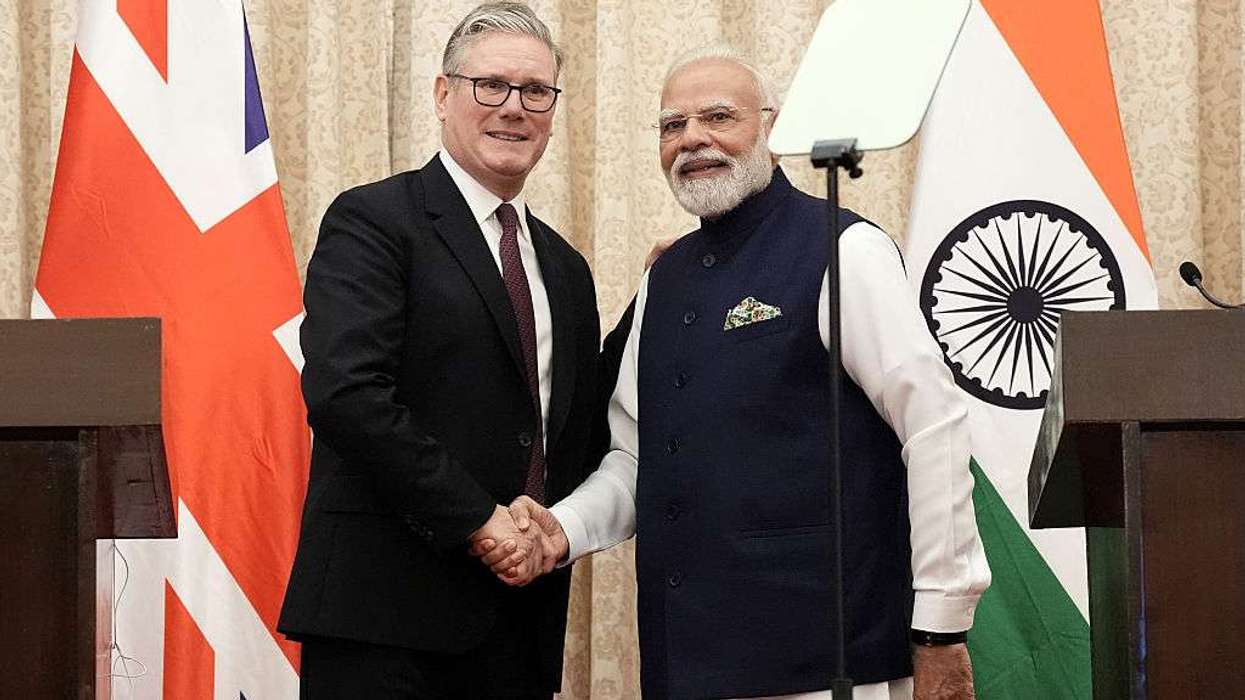
The UK-India FTA, which came into force on July 15, is expected to strengthen trade between the two countries by reducing tariffs and improving market access. UK government figures put bilateral trade at £48 billion in 2025, with the agreement expected to increase trade by £25.5bn a year in the long run.
Under the agreement, 99 per cent of Indian goods entering the UK and 90 per cent of UK goods entering India will either be duty-free or have reduced tariffs. The deal covers sectors including manufacturing, automotive, creative industries and medical technology.
For India, the agreement is designed to give greater access to the UK market, while Indian businesses are expected to benefit from lower tariffs and easier trade. India has agreed to remove or reduce tariffs on 90 per cent of tariff lines covering 92 per cent of existing goods imports from the UK.
FTA links trade with youth employment
Modi presented the trade agreements as one part of a broader effort to connect economic growth with employment. He also pointed to India's startup sector, saying young entrepreneurs were increasingly building businesses outside the country's biggest cities.
“India is today the world's third-largest startup ecosystem,” Modi said. “Nearly half of recognised startups are in Tier 2 and Tier 3 cities.”
His comments came as more than 51,000 appointment letters were distributed virtually to newly selected employees who will join India's government departments and organisations.
Job fairs were held across 45 locations, with recruits joining departments including revenue, railways, home affairs, health and family welfare, financial services and defence.
Incentives for first-time employees
Modi also highlighted the employment incentive scheme intended to bring 20 million young people into the formal workforce for the first time.
The scheme provides incentives for first-time employees and also offers financial incentives to employers creating additional jobs.
He also pointed to the National Education Policy, Skill India Mission and Pradhan Mantri Kaushal Vikas Yojana as part of efforts to prepare young people for changing employment needs.
“Our endeavour is that the education and skills of the youth keep pace with the needs of the changing economy,” Modi said.
The prime minister also linked employment opportunities to wider economic growth, saying jobs would increase as investment rises and new industries expand.
He cited India's 7.8 per cent economic growth rate and a nearly 12 per cent rise in investment during the first quarter, while also referring to upgrades to India's sovereign credit ratings.
At the event, he said young people had an important role in India's goal of becoming a developed country by 2047.