
- Nearly 37 per cent of affluent Americans plan to take a six to 12-month career break.
- Most aim to save around £390,000 ($530,000) before stepping away from work.
- Financial planners say even a short break can reduce long-term retirement wealth.
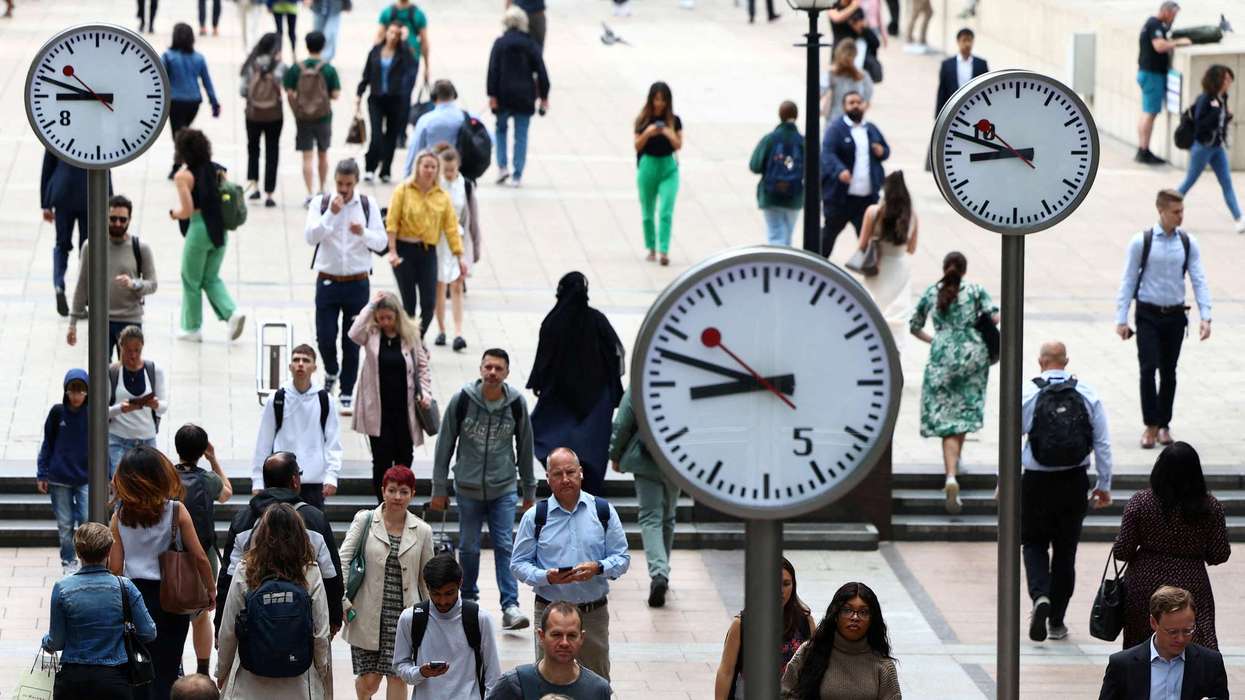
A growing number of younger workers are rethinking the traditional idea of working continuously until retirement, with so-called "mini retirements" emerging as a new approach to balancing careers, finances and personal goals.
The trend, often described as taking extended breaks from work for several months or even a year, is attracting interest among Millennials and Generation Z workers. While the concept resembles a sabbatical, supporters see it as a deliberate pause to travel, spend time with family, pursue personal interests or simply step away from the pressures of working life.
According to HSBC's 2025 Quality of Life study, 37 per cent of affluent respondents in the US said they plan to take a mini retirement lasting between six and 12 months before reaching traditional retirement age. Nearly half of those considering the move said they expect to take more than one such break during their working lives.
A different view of working life
The idea reflects a broader shift in attitudes towards careers. Rather than postponing leisure and personal ambitions until later life, some workers are looking to spread those experiences throughout their careers.
HSBC's research, which surveyed more than 10,000 affluent adults across 12 markets, found that Gen X and Millennials were the most likely to aspire to multiple mini retirements, averaging around three during their lifetimes. Gen Z and Baby Boomers were not far behind.
Motivations vary by generation. Gen Z respondents cited pursuing lifelong passions and personal development as their main reason for taking a break. Millennials were more likely to prioritise family time, while Gen X respondents were drawn by opportunities to travel. Among Baby Boomers, personal wellbeing emerged as the leading motivation.
The concept appears to resonate with people who have already tried it. HSBC found that 87 per cent of respondents who had taken a mini retirement said it had improved their quality of life.
Career experts, however, suggest these breaks are often triggered by more than a desire for adventure. Burnout, workplace restructuring, layoffs and dissatisfaction with employers frequently play a role in the decision to step away from work, according to career coaches quoted in media reports.
The financial reality check
Despite the growing interest, financial advisers warn that extended career breaks can come with lasting consequences.
The HSBC study found that around 40 per cent of US respondents planning a mini retirement expect to spend less than £74,000 ($100,000) during their break. Personal savings remain the primary source of funding, followed by investment income and part-time or freelance work.
On average, respondents said they would want to accumulate roughly £390,000 ($530,000) in savings before taking a mini retirement.
Financial planners argue that the biggest cost is often not the lost salary but the investment growth that workers miss while they are out of the workforce. Money that would otherwise have been invested during a person's twenties or thirties has decades to grow, making even a six-month or one-year pause potentially expensive in the long run.
Some advisers reportedly said that when projected over several decades, missing a year of investing early in a career could reduce retirement wealth by hundreds of thousands of pounds.
There are also career considerations. Younger workers may lose momentum, miss promotion opportunities or delay skill development. At the same time, some experts note that younger employees may find it easier to re-enter the labour market because their skills remain in demand.
Uncertainty in the wider economy is adding another layer of complexity. With employers becoming more cautious about hiring and concerns growing over the impact of artificial intelligence on some professional roles, career advisers remain divided on whether this is the right moment to step away from work.
For now, the message from financial experts appears consistent: a mini retirement may be achievable, but only with careful planning, substantial savings and a clear strategy for returning to work. Without those safeguards, what looks like a refreshing break could become a costly interruption.