
Highlights
- Around 10 per cent of Wiltshire's looked-after children are separated migrant youngsters with no family.
- 7,380 unaccompanied asylum-seeking children under 18 were in council care across England in March 2024.
- Council also supporting 42 homeless 16-17 year olds who presented this year seeking help.
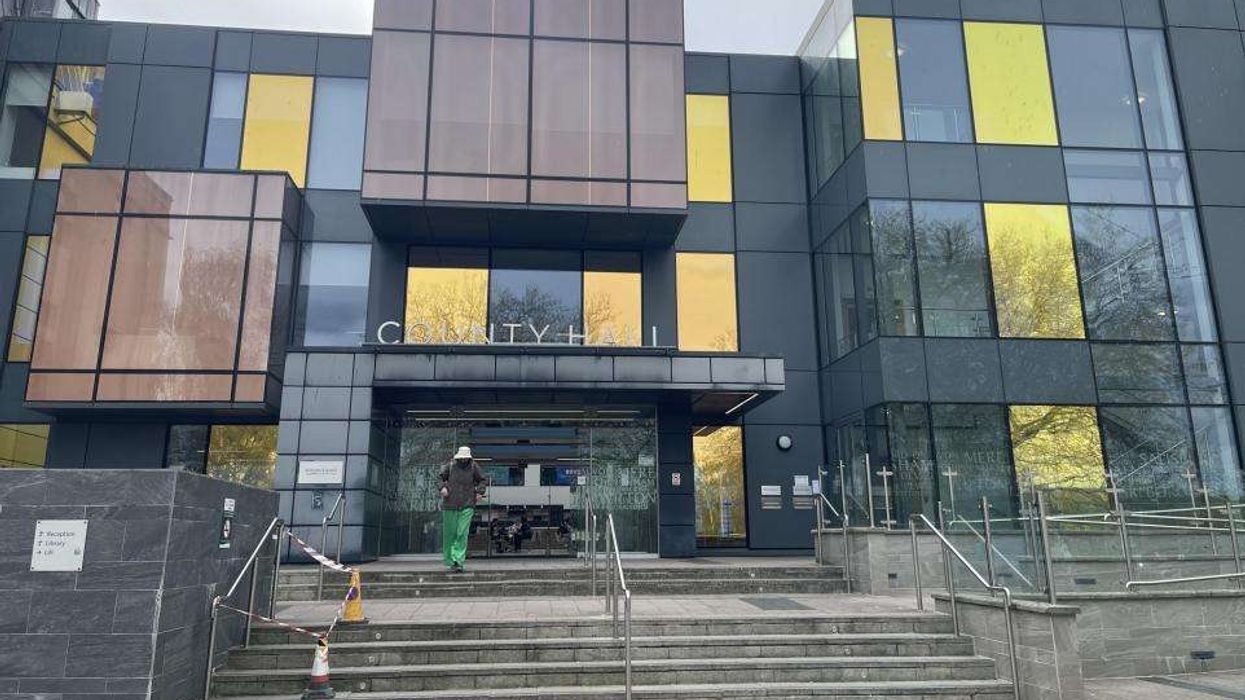
Wiltshire Council is caring for separated migrant children who will spend Christmas without friends or family, as part of a growing national challenge facing local authorities across England.
The unaccompanied asylum-seeking children, who make up around 10 per cent of the total number of children in Wiltshire's care, have fled violent situations and endured traumatic journeys to reach the UK.
The council will not disclose exact numbers, ages or countries of origin for safeguarding reasons.
Government figures show 7,380 unaccompanied asylum-seeking children aged under 18 were in council care across England in March 2024, up from 5,080 in 2020.
Most arrive on small boats in Dover, with Kent County Council having an initial obligation to care for them before a National Transfer Scheme distributes children across all local councils in England for "fairer, more equitable distribution."
Council support
Wiltshire has around six separated migrant children per 10,000 of population in 2024, proportionally fewer than surrounding counties. Swindon has twice that number per 10,000 people.
Cllr Jon Hubbard, Wiltshire Council's cabinet member for children's services, told a recent council meeting "Despite being above our internal target, we remain below the national average, below the regional average, and below our statistical neighbours.
We're managing demand that councils across the country are grappling with."
The children are housed in either supported accommodation or foster homes until they turn 18, funded by government grants. They continue receiving support as "care-experienced young people" in line with statutory duties.
Those whose asylum applications are refused after turning 18 are referred back to the Home Office.
The council is also supporting 42 young people aged 16-17 who have presented as homeless or at risk of homelessness since April, though officials emphasise none are left without appropriate accommodation.
"Like all local authorities, Wiltshire is also home to a number of separated migrant young people, and we have both a legal and moral duty to provide them with safe accommodation and care," Cllr Hubbard said.
“Our goal is simple: to give young people a safe space to stay and the opportunity to build a future here in Wiltshire.”
Local Democracy Reporting Service (LDRS)