
Highlights
- All forms of manslaughter, death by dangerous driving, and historic child sex and grooming offences are also barred
- Move builds on earlier exclusion of rape, serious child sexual offences and grooming from the scheme
- New "restriction zones" introduced to protect domestic abuse victims from perpetrators
- Thousands of foreign criminals to be deported under new powers from early next year
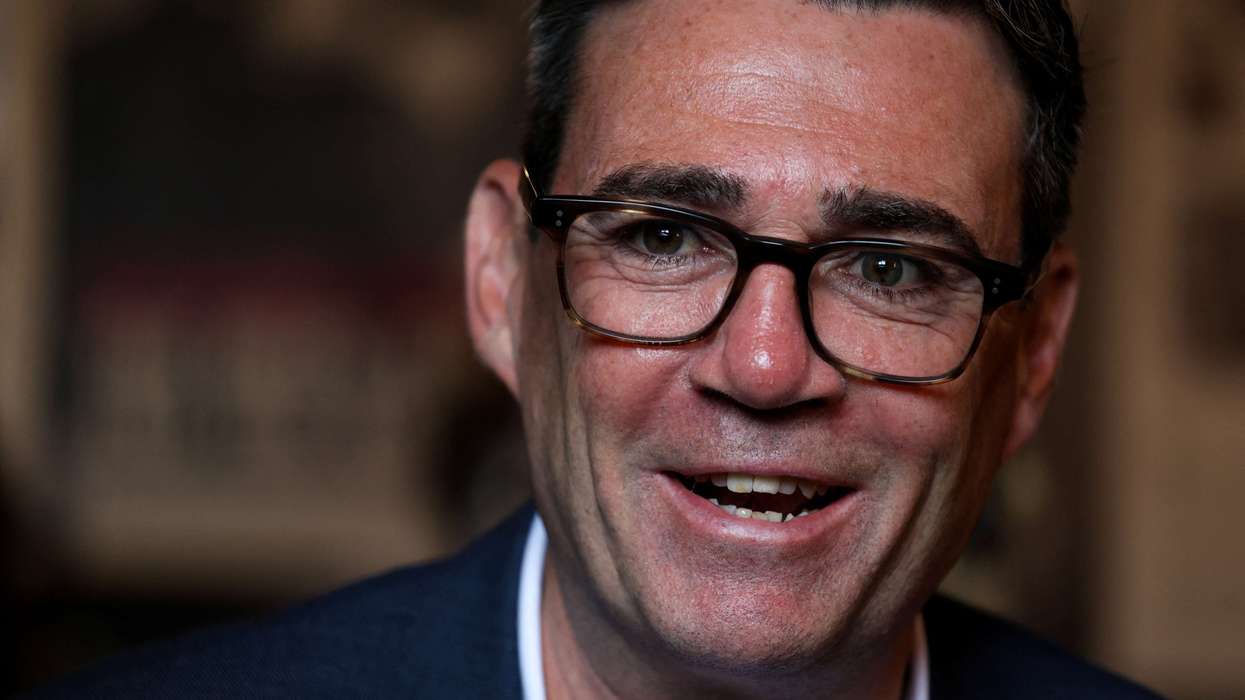
PRIME MINISTER Andy Burnham has confirmed that PC Andrew Harper's killers will remain behind bars, as he announced that manslaughter, death by dangerous driving and historic child sex offences will be excluded from upcoming changes to prison sentences.
In an interview with BBC Breakfast, Burnham said anyone convicted of unlawful killing, including all forms of manslaughter, would be excluded from the early release scheme, which would otherwise have made two of Harper's killers eligible for early release.
PC Harper, 28, was dragged along a road by a vehicle in Berkshire in 2019 while responding to a burglary, as three teenagers fled the scene of a quad bike theft.
Jessie Cole and Albert Bowers were sentenced to 13 years for manslaughter in 2020 and would previously have become eligible for release after serving half of their sentences, down from two-thirds, under the scheme.
The driver of the getaway car, Henry Long, was given an "extended" sentence of 16 years for manslaughter and was therefore not eligible for release.
Burnham said: "I heard obviously what Andrew Harper's family were saying, I mean who couldn't? Nobody would want a position to arise where those guilty of killing a police officer are let out early from prison."
Debbie Adlam, Harper's mother, said that she welcomed the decision. "I am glad and really grateful that this has been the outcome for us, but I worry immensely for those it doesn't happen for," she said. "And I think realistically, the overall system has left some huge gaps still."
A welcome decision
Thames Valley Police, Harper's force, said the announcement would be "welcomed by many across policing and our communities".
Chief constable Jason Hogg said he hoped it would bring reassurance to Harper's family, as well as to other victims and bereaved families "who continue to seek confidence that the most serious offences are treated with the gravity they deserve".
The government said the intervention builds on earlier action to stop anyone in prison for rape, serious child sexual offences and grooming from being released early. Murderers and offenders deemed the most dangerous by a court, handed a life or extended sentence, were already blocked from any reduction to their sentence and will stay locked up until they go before a Parole Board.
Also excluded from the changes are offenders convicted of killing an emergency worker in the line of duty, historic grooming offences, and causing or allowing the death of a child.
Burnham said: "I know how strongly people feel about this issue. I understand the concern and anger because I share it. That's why I took action during my first weeks as prime minister to block some of the very worst in society being released before they should. We moved quickly to block vile criminals who commit rape, sexually abuse children and groom vulnerable young people.
"But I always said I wanted to do more. We will now not only be keeping offenders serving time for indecent assault locked up, but also those in prison for manslaughter and death by dangerous driving. This means that the awful criminals responsible for the killing of PC Andrew Harper will not have their sentence shortened."
The prime minister also confirmed the government will end Imprisonment for Public Protection (IPP) sentences during this parliament. IPPs were available between 2005 and 2012 for offenders who pose a significant risk of causing serious harm to the public.
According to Ministry of Justice data, 2,271 people are serving IPP sentences as of June, of whom 856 have never been released because the Parole Board judged it was not safe to do so.
Justice secretary Alex Norris said: "The Prime Minister and I have rightly looked again at these reforms and we are clear that people responsible for taking a life, or for appalling crimes against children, should be kept behind bars for longer.
"But protecting the public also means fixing the prison system for good. We will build the cells we need, put offenders under much tougher controls when they leave prison and end the historic injustice of IPP sentences. This is a government running towards problems and not shying away from the tough decisions needed to build a justice system that is firm, fair and protects the public."
Burnham said extra prison space would be created in part by deporting foreign prisoners, telling the BBC "hundreds" could be returned. Government figures show there were 10,134 foreign nationals in custody as of late June, representing 12 per cent of the prison population.
Powers will be implemented early next year to deport some foreign criminals immediately after sentencing, blocking them from ever returning to the country, while keeping those in prison for the most serious crimes locked up for a substantial period before removal.
New "restriction zones" will also be introduced to better protect victims of domestic abuse, with the government insisting victims must remain at the centre of the justice system. The zones, described as a world first, will limit the movement of some sexual and violent offenders, with some areas just a few miles wide, and have been directly shaped by the experiences and campaigning of victims, who will have a say in how the zones are drawn up.
There will also be a presumption that all prison leavers are tagged, and possible bans on pubs and public events for offenders.
The government said it inherited a prison system on the brink of collapse, with fewer than 100 spaces left in the summer of 2024, after a lack of investment saw just 500 net places added over a decade, leaving adult male prisons at 98 per cent capacity.
More than 3,200 prison places have been built since the government took office, with 14,000 expected by 2031 under what it describes as the largest prison build expansion since the Victorian era.
The Sentencing Act 2026 was designed to address prison overcrowding by releasing large numbers of inmates earlier than previously planned, with the early release scheme scheduled to start on October 1.
The Justice secretary is expected to give a more precise figure for how many people will be affected when he gives a statement in Parliament on Tuesday (1).



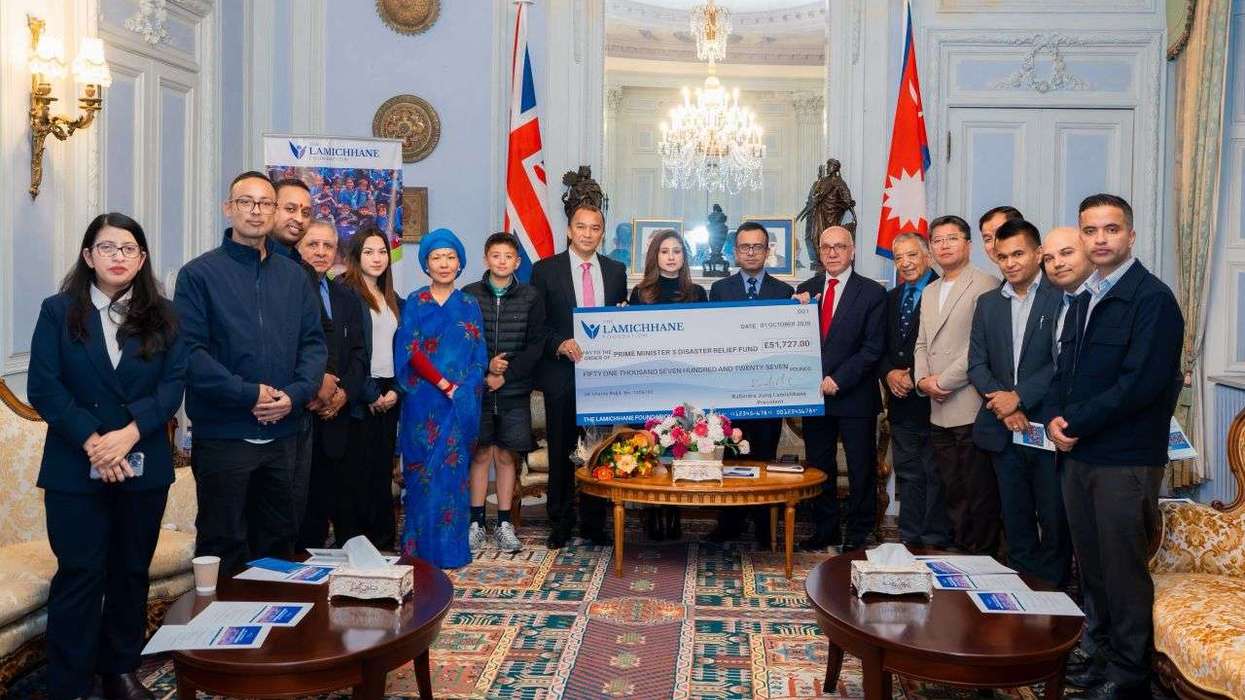
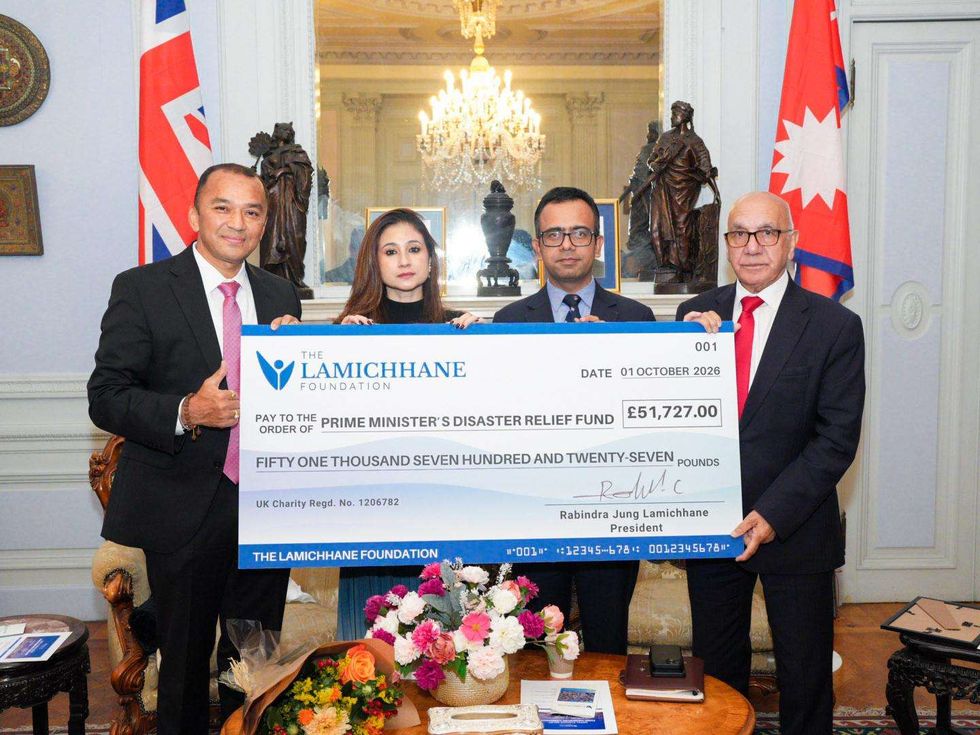 At a special ceremony at the embassy, Lamichhane presented the cheque to Bipin Duwadi, Chargé d'Affaires at the Nepalese EmbassyEastern Eye