
Highlights
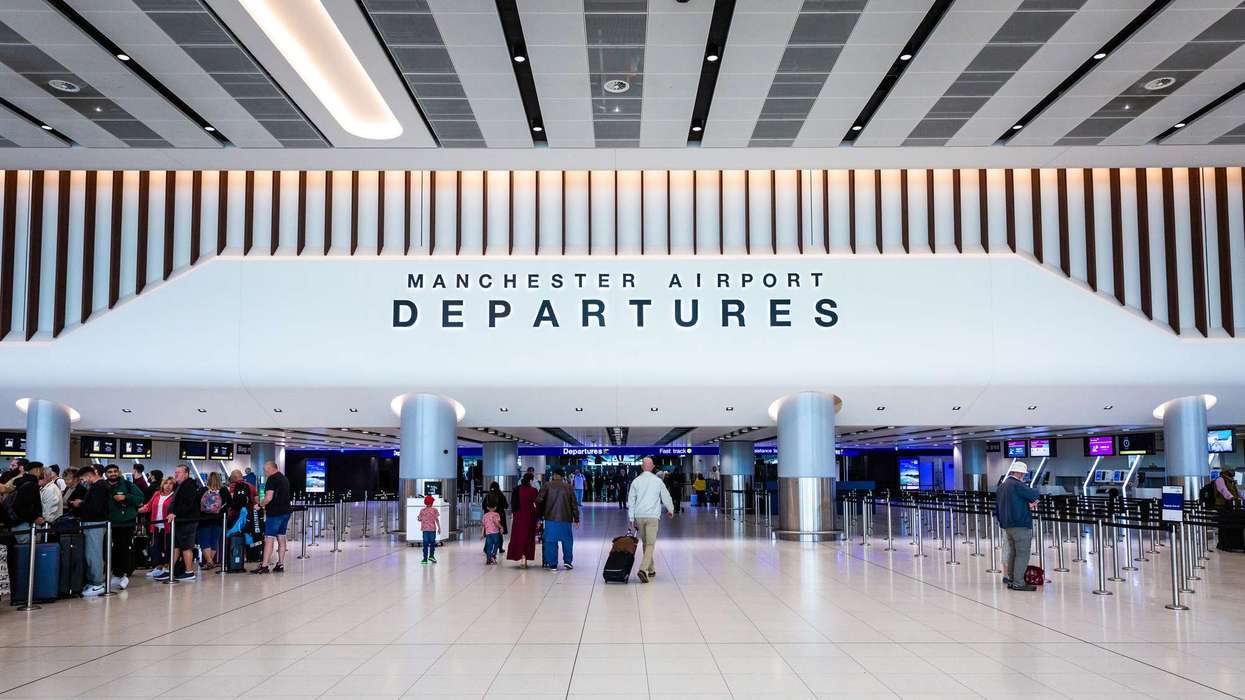
- Manchester Airport worst for delays at 19 minutes 30 seconds.
- Liverpool John Lennon most punctual at 11 minutes average.
- Industrial action and conflict zones blamed for disruptions.
The airport handled 32 million passengers last year and is now facing growing criticism from travel experts.
Rory Boland from Which? Travel told BBC that passengers find it hard to book flights with confidence because of the airport's poor track record.
"Manchester airport has ranked last in our airport survey for four consecutive years and these new CAA figures validate why this is a particularly poor place to be stranded during delays," he added.
Delays across Britain
Birmingham Airport had the second worst record with average delays of 18 minutes and 42 seconds, followed by Bournemouth at 17 minutes and 18 seconds.
The study looked at 23 commercial airports that handled at least 1,000 outbound flights. Cancelled flights were not counted.
Liverpool John Lennon Airport, which sits less than 30 miles from Manchester, performed best with delays averaging just 11 minutes. Aberdeen came second.
Overall, UK airports did better than the previous year, with average delays falling from over 18 minutes in 2024 to around 15 minutes in 2025.
Manchester Airport noted that the delays were caused by problems outside its control. Airport bosses pointed to strikes affecting European air traffic control and bad weather as the main reasons.
The problems got worse because of airspace restrictions over war zones, which hit airports with many long-distance flights harder.
French strikes alone affected over one million passengers during two days in July 2025, according to Eurocontrol.
Airspace closures over Ukraine and the Middle East also created more crowding on other routes. Because these situations count as extraordinary circumstances, airlines do not have to pay compensation to passengers.