
Highlights
- Lebanon declares national day of mourning after Israeli strikes kill at least 182
- Uncertainty grows over scope of US-Iran ceasefire and whether Lebanon is included
- Hezbollah fires rockets in response, citing ceasefire violations
- Global leaders urge restraint as tensions rise across West Asia
LEBANON declared a national day of mourning on Thursday after Israeli strikes killed at least 182 people and wounded around 900, raising questions over the US-Iran ceasefire.
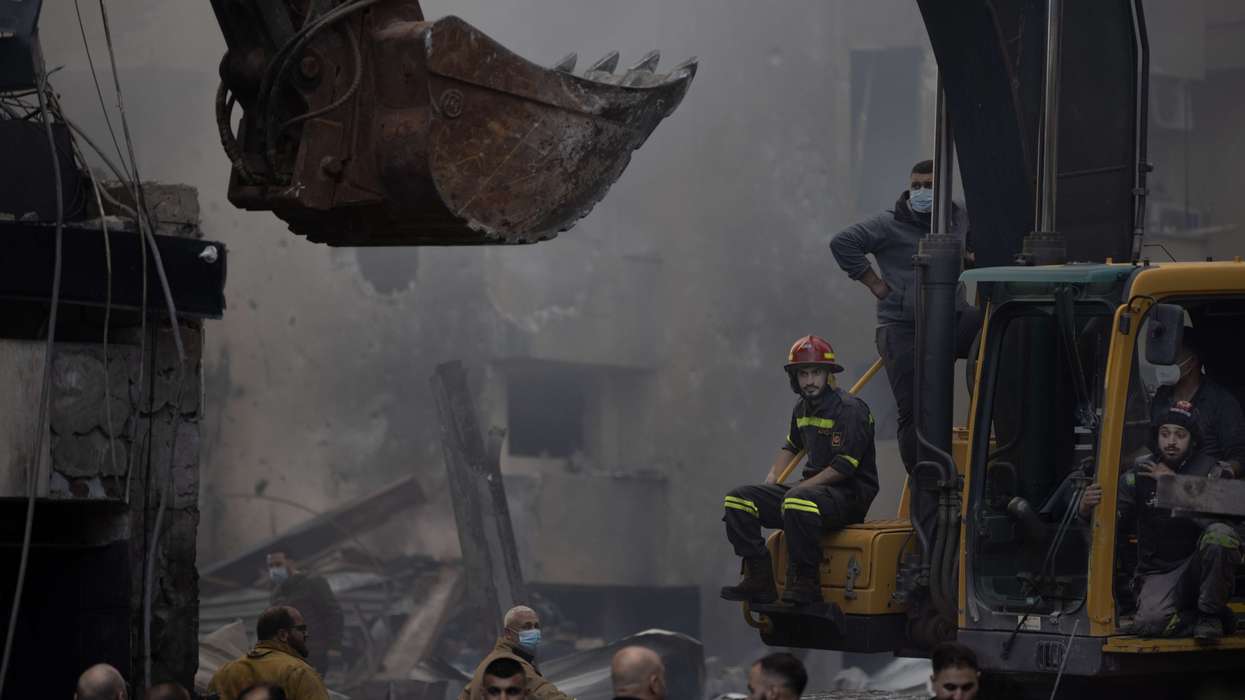
The strikes, described as Israel’s heaviest on Lebanon since early March when Hezbollah joined the war, hit several areas including central Beirut. The Lebanese health ministry said at least 182 people were killed and 890 wounded.
Prime minister Nawaf Salam said Thursday would be “a national day of mourning for the martyrs and wounded of the Israeli attacks that targeted hundreds of innocent, defenceless civilians”. Public administrations were ordered shut and flags lowered.
The escalation came despite a two-week truce agreed between the US and Iran, with both sides earlier claiming progress towards ending a war that has killed thousands across West Asia.
ALSO READ: Starmer heads to Gulf as US and Iran reach ceasefire
Confusion remained over whether Lebanon was covered under the truce. Israel said it was not part of the agreement.
Hezbollah said it fired rockets towards Israel on Thursday in response to what it called a violation of the ceasefire, adding earlier it had a “right” to respond to the strikes.
US vice president JD Vance said Lebanon was not included in the truce and warned Iran against letting negotiations collapse. “If Iran wants to let this negotiation fall apart... over Lebanon, which has nothing to do with them, and which the United States never once said was part of the ceasefire, that's ultimately their choice,” he said.
Iran’s parliament speaker Mohammad Bagher Ghalibaf said the “workable basis on which to negotiate” had been violated, making further talks “unreasonable”. He cited continued attacks in Lebanon, a drone entering Iranian airspace and US opposition to uranium enrichment.
President Masoud Pezeshkian said halting Israeli attacks in Lebanon was part of Iran’s 10-point plan to end the war.
ALSO READ: West Asia war: US jet downed in Iran as strikes continue across region
A senior US official said Iran’s plan differed from what Washington had agreed to under the truce.
In Lebanon, strikes across Beirut without warning caused panic. “People started running left and right, and smoke was billowing,” said Ali Younes, who was waiting for his wife near Corniche Al-Mazraa.
UN rights chief Volker Turk said, “The scale of the killing and destruction in Lebanon today is nothing short of horrific.” The International Committee of the Red Cross said it was “outraged by the devastating death and destruction”.
Agnes Dhur, the ICRC’s head of delegation in Lebanon, said: “People across Lebanon were holding their breath for a ceasefire agreement, but a wave of deadly strikes plunged the country into panic and chaos.”
More than 1,700 people have been killed in Lebanon since Israel launched airstrikes and a ground invasion last month, according to local officials.
ALSO READ: Iran fires missiles at Israel; Trump says US has not started 'destroying what’s left'
Israel said it remained prepared for further conflict. Prime minister Benjamin Netanyahu said: “Let me be clear: We still have objectives to complete, and we will achieve them -- either through agreement or through renewed fighting.”
US president Donald Trump said US forces would remain deployed until a “real agreement” is reached. “All US Ships, Aircraft, and Military Personnel, with additional Ammunition, Weaponry, and anything else that is appropriate and necessary for the lethal prosecution and destruction of an already substantially degraded Enemy, will remain in place in, and around, Iran, until such time as the REAL AGREEMENT reached is fully complied with,” he wrote.
He added that while a deal failing was “highly unlikely”, the US was ready for further action. “In the meantime our great Military is Loading Up and Resting, looking forward, actually, to its next Conquest. AMERICA IS BACK!”
Talks between the US and Iran are expected in Islamabad, with Iran’s delegation arriving for what its ambassador described as “serious talks”. Vance is set to lead the US side, joined by Steve Witkoff and Jared Kushner.
Pakistan’s prime minister Shehbaz Sharif urged restraint, calling on all sides to “exercise restraint and respect the ceasefire for two weeks” to allow diplomacy.
ALSO READ: Iran threatens further attacks after Trump warning
French president Emmanuel Macron said the ceasefire should apply across all areas, including Lebanon. “I expressed my hope that the ceasefire will be fully respected by each of the belligerents, across all areas of confrontation, including in Lebanon,” he wrote.
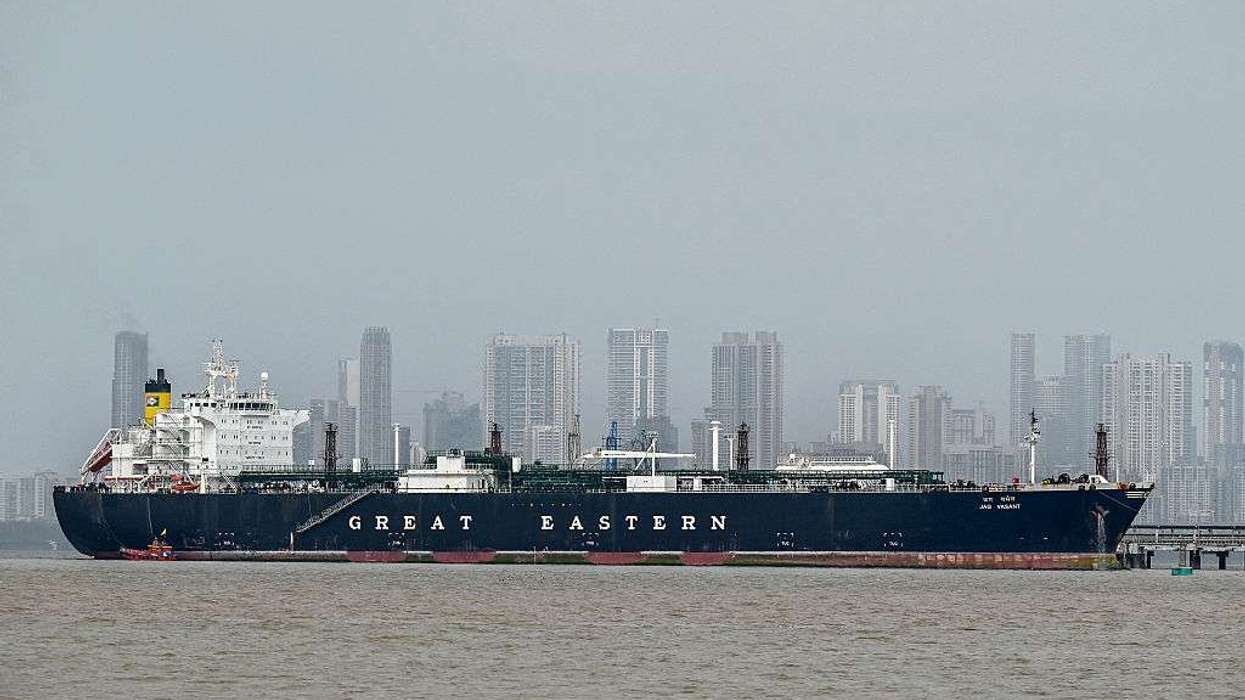
Tensions also centred on the Strait of Hormuz, through which a fifth of the world’s oil passes. Iran announced alternative routes for ships, citing risks from sea mines. Tehran said it would maintain “dominion” over the waterway, while Trump said the “Strait of Hormuz WILL BE OPEN & SAFE.”
Iran also demanded recognition of its uranium enrichment programme, though Washington said the issue would be addressed separately.
Iran’s Revolutionary Guards warned they would “fulfil our duty and deliver a response” if Israeli strikes continued.
There were also reports of missile and drone attacks on US-allied Gulf states, including Kuwait, the UAE, Saudi Arabia and Bahrain, following strikes on Iranian oil facilities.
In Tehran, residents reacted with caution after the ceasefire. “Everyone is at ease now,” said Sakineh Mohammadi. “We are more relaxed.” She added she was “proud” of her country.
Markets reflected uncertainty, with oil prices rising and stocks falling amid concerns over the ceasefire.
(With inputs from agencies)