
- Fuel reserves at smaller airports may run dry within weeks
- Flight cancellations already spreading across Europe
- Prices surge as supply chain disruption deepens
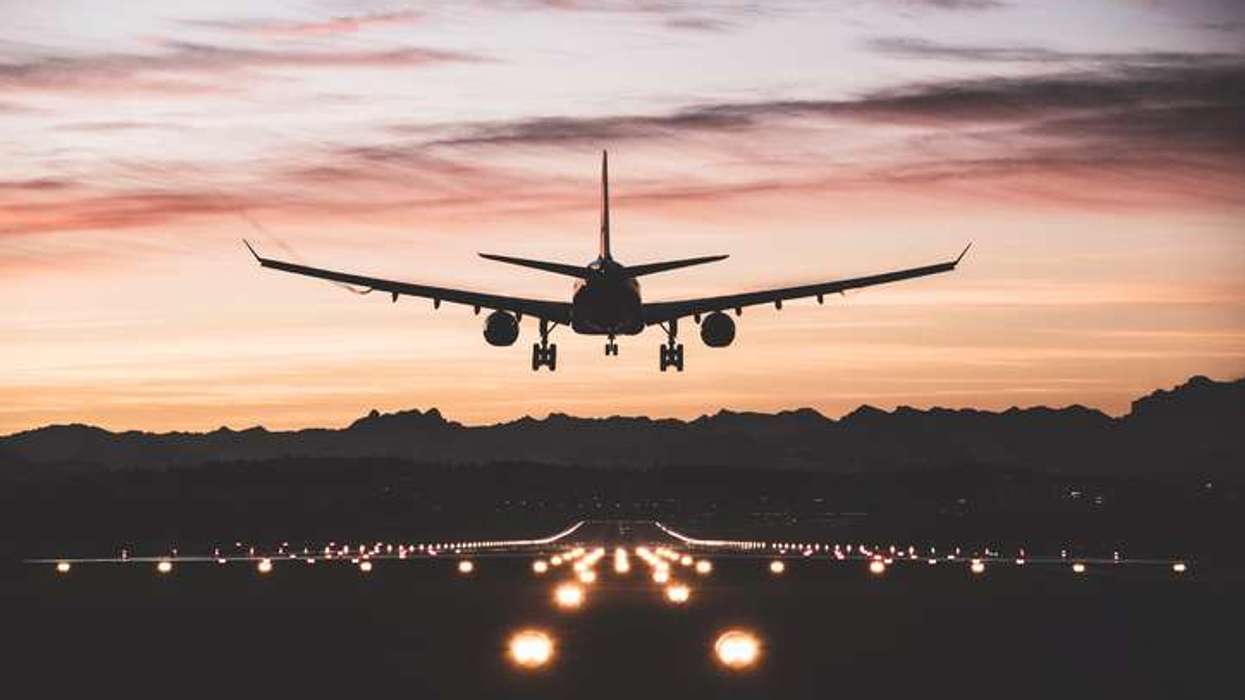
Europe’s aviation network is edging towards a fuel crunch that could reshape summer travel, with airlines quietly preparing for cuts as supply from the Middle East remains uncertain.
At the centre of the issue is the Strait of Hormuz, a key route for global oil and jet fuel shipments. Disruptions there have already tightened supply, pushing jet fuel prices sharply higher and raising concerns that Europe could face shortages within weeks. Industry bodies have warned that if flows do not resume soon, the situation could move from strain to outright disruption.
Airports Council International Europe has cautioned that reserves may only last around three weeks without fresh supply. Smaller airports appear most exposed, relying heavily on regular deliveries rather than large storage buffers. As one analyst reportedly said in a news report, these airports typically hold just four to five weeks of stock, leaving little room for prolonged disruption.
A system under pressure
The pressure is already showing. Across Europe, more than 1,475 flights have been delayed and 172 cancelled within a short span, affecting major travel routes through Spain, England, Italy, Norway, Denmark, Sweden and the Netherlands. What began as scattered delays is now being seen as a wider operational strain.
Some airlines have started trimming schedules. Regional carriers in the UK have cut routes, while larger operators are considering broader reductions. Ryanair’s chief executive reportedly said the airline may cut up to 10 per cent of flights if conditions worsen. Globally, carriers including Air New Zealand and Vietnam Airlines have also reduced services in response to rising costs.
The economics are shifting quickly. Jet fuel prices have more than doubled year-on-year to around £1,300 ($1,650) per tonne, according to industry data. Europe, which typically sources over 60 per cent of its jet fuel from Gulf refineries, is now competing with Asia for limited alternative supplies. Prices in Europe are up roughly 138 per cent, while Asia has seen even steeper increases.
Fuel, fares and fallout
The immediate impact is being felt in fares, but the bigger concern is availability. Analysts suggest that airlines may start cutting less profitable leisure routes first, where fewer passengers need rebooking. That could leave holiday travellers most exposed just as the peak summer season approaches.
There are also broader economic risks. Aviation supports tourism, trade and business travel across the region. A prolonged shortage could ripple beyond airports, affecting hotels, exports and local economies that depend on seasonal travel.
European officials have begun urging restraint. Measures under discussion include reducing non-essential travel, encouraging public transport and even lowering speed limits to conserve fuel. As the EU’s energy chief reportedly said after meeting ministers, cutting back on diesel and jet fuel use could help soften the impact.
The UK has taken a more measured stance, stating that flights are operating normally and that fuel supplies remain stable for now. However, shipments from the Middle East are thinning. The last known cargoes are arriving, and fresh deliveries may take weeks or even months to stabilise, even if routes reopen.
For now, the system is still moving, but with less margin for error. If supply does not recover soon, the question may not be whether flights are cut, but how many.