
INDIA boosted healthcare spending by 135 per cent and lifted caps on foreign investment in its vast insurance market on Monday(1) to help revive an economy that suffered its deepest recorded slump as a result of the pandemic.
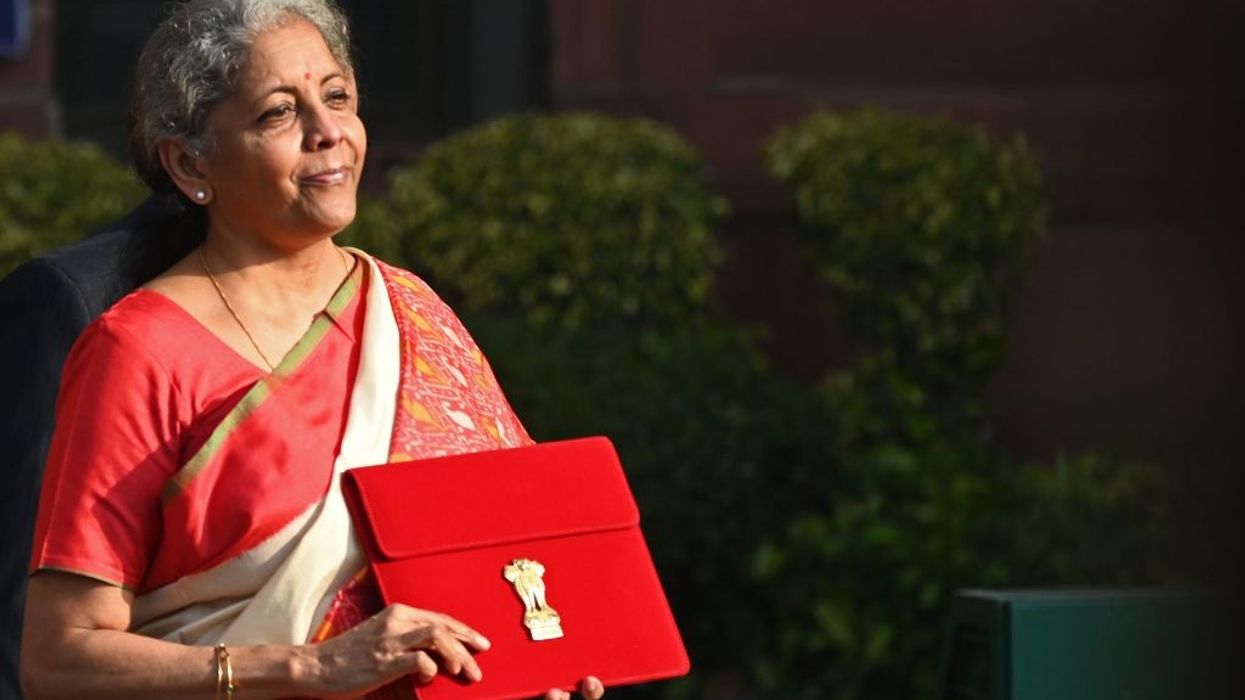
Delivering a budget statement to parliament, finance minister Nirmala Sitharaman projected a fiscal deficit of 6.8 per cent of gross domestic product for 2021/22, higher than the 5.5 per cent forecast by a recent Reuters poll of economists.
The current year was expected to end with a deficit of 9.5 per cent, she said, well up from the 7 per cent expected earlier.
Prime minister Narendra Modi said the budget was aimed at creating 'wealth and wellness' in a country that is battling the world's second highest coronavirus caseload after the US.
India currently spends about 1 per cent of GDP on health, among the lowest for any major economy.
Sitharaman proposed increasing healthcare spending to Rs 2.2 trillion ($30.2 billion) to help improve public health systems and fund a huge vaccination drive to immunise 1.3 billion people.
"All of us decided to give impetus to the economy and that impetus, we thought, would be qualitatively spent and give necessary demand push if we choose to spend big on infrastructure," Sitharaman told reporters after the presentation of the budget in parliament.
Unlike other countries, India refrained from announcing a big stimulus, offering greater liquidity to firms instead, and held off using its fiscal firepower until curbs to contain the virus were lifted.
The government estimates the economy will contract 7.7 per cent in the current fiscal year ending in March, in what would be the biggest fall ever recorded. However, it foresees a strong recovery in 2021/2022 with growth of 11 per cent.
That would make it the world's fastest growing major economy ahead of China's projected 8.1 per cent growth, but the government said it would take the economy two years to reach pre-pandemic levels.
"In a time of unprecedented economic stress, the government's responsibility was to spend enough to revive the economy or else face enormous human suffering," said Anand Mahindra, chairman of Mahindra group, an autos to technology conglomerate.
"So I had one expectation from this budget: that we should be very liberal in terms of the targeted fiscal deficit. Box ticked."
Markets surge
India's main stock indexes surged. The blue-chip NSE Nifty 50 index was 4.7 per cent higher in its best performance on budget day in at least two decades. The S&P BSE Sensex climbed 5 per cent.
But, bond yields jumped after the government announced plans to raise additional funds from the market over the next two months.
Sitharaman said the foreign direct investment (FDI) cap for the insurance sector would be increased to 74 per cent from the current 49 per cent.
To bridge some of the deficit, the government plans to sell its stake in the state run companies and banks including IDBI bank, an insurance company and oil companies. It also wants to sell state firms' surplus land.
Gene Fang, associate managing director, sovereign risk group, Moody's Investors Service, said the budget announcements did not change the credit rating agency's stance on India. Moody's rates Indian sovereign debt at 'Baa3' - the bottom rung of investment grade ratings - with a 'negative' outlook.