
GUJARAT state in Western India on Tuesday (16) decided to increase the night curfew timings in four major cities by two hours till March 31 to contain the surge in Covid-19 cases.
Curfew will now remain in force in Ahmedabad, Surat, Vadodara and Rajkot from 10 pm to 6 am, an official statement said. Earlier, the timings were from 12 am to 6 am.
The decision was taken in the core committee meeting of the coronavirus task-force headed by chief minister Vijay Rupani.
"The state government has decided to impose curfew from 10 pm to 6 am in view of the increasing cases of coronavirus," a statement said. it added.
The Gujarat cricket association (GCA) has said the next three T20 matches between India and England will be played without any spectators at the Narendra Modi Stadium here.
The Ahmedabad municipal corporation has asked eateries, restaurants and malls in eight wards of the city to close at 10pm.
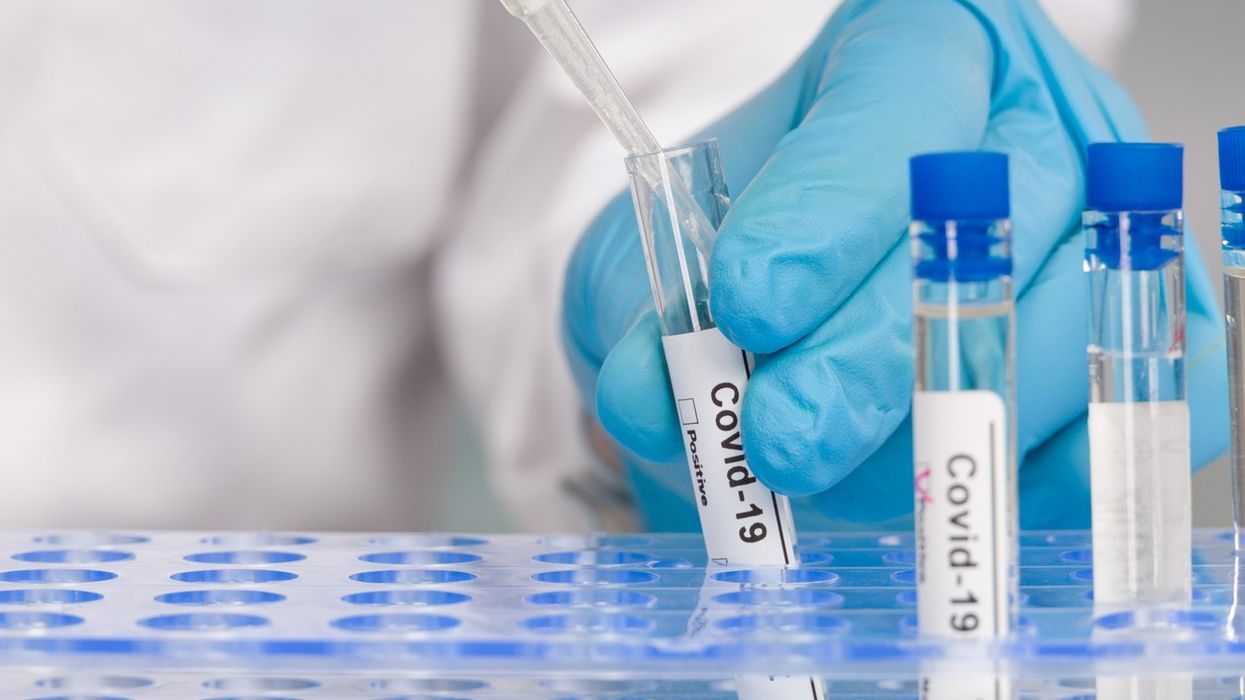
Gujarat on Monday (15) reported 890 new cases of Covid-19, taking its tally to 2,79,097.
Last month, the state was only reporting around 200 new cases per day. Surat has been reporting the highest number of Covid-19 cases, followed by Ahmedabad, Vadodara and Rajkot, according to official data.