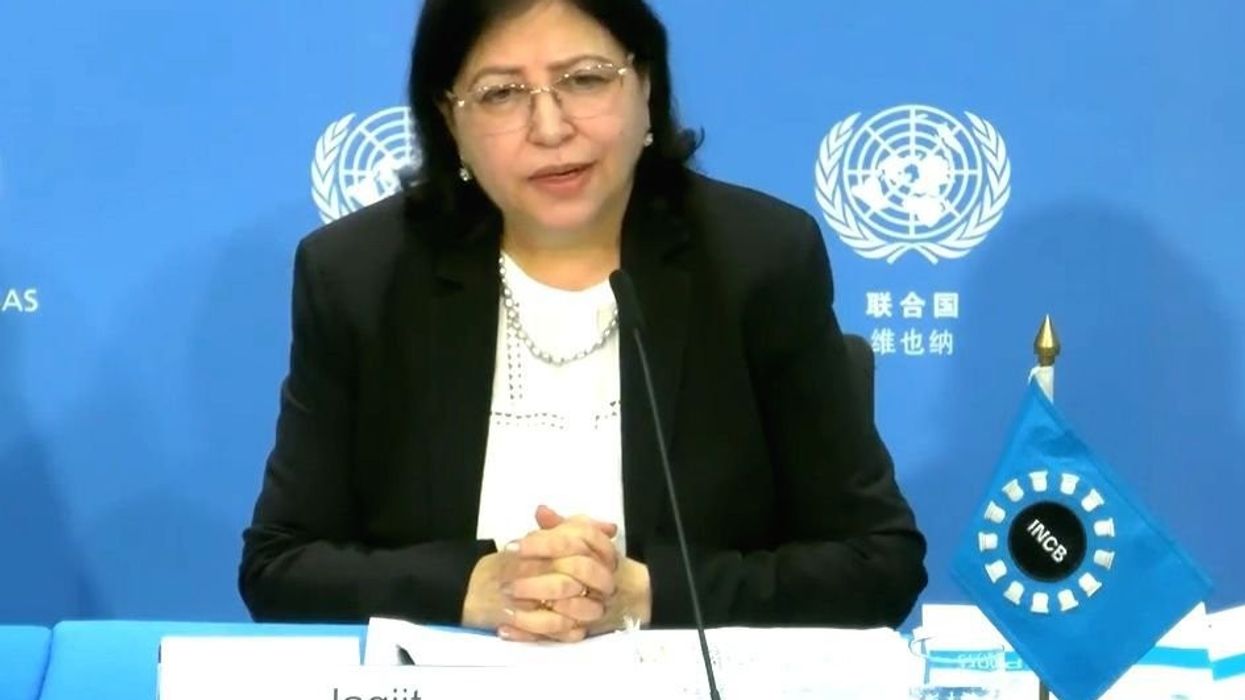

India secured multiple victories at the United Nations, including the re-election of Jagjit Pavadia to the International Narcotics Control Board (INCB) for her third term. Pavadia's re-election, running from March 2025 to 2030, marked a significant win with the highest number of votes.
India also earned seats in other UN bodies like the Commission on the Status of Women and the Executive Boards of UNICEF and UNDP, among others.
"India remains steadfast in its commitment to actively engage in the discourse within these UN bodies, upholding the principle of 'Vasudhaiva Kutumbakam' — the world is one family," said India's Permanent Representative to the UN, Ambassador Ruchira Kamboj.
India's commitment to active engagement in these bodies was further emphasized by Kamboj, who highlighted the nation's pledge to contribute constructively to global deliberations, fostering unity and shared responsibility for collective progress.
"Good work," said External Affairs Minister S Jaishankar, commending Pavadia's re-election. "India secured the highest number of votes amongst all elected member states to the Board." With 41 out of 53 votes secured, India demonstrated a convincing victory amidst stiff competition, with the closest contender receiving 30 votes. The competitive election, featuring 24 candidates vying for five seats, highlighted India's significant achievement.
Established in 1968, the INCB serves as an independent monitoring body for implementing international drug control conventions. Pavadia's re-election underscores India's commitment to global drug control efforts. With her extensive experience in senior government roles, including as Narcotics Commissioner of India, Pavadia brings substantial expertise to the INCB.
"India will continue, as always, to actively contribute towards deliberations in these bodies in keeping with our overall philosophy of ‘Vasudaiva Kutumbakam'," stated the Permanent Mission of India to the UN.
India's success extends beyond the INCB, with wins across various UN bodies, reflecting its dedication to advancing shared goals in international forums. As a member of the ECOSOC, India continues to contribute to economic, social, and health matters, alongside promoting human rights and fundamental freedoms on the global stage.
(PTI)