
- India-UK trade deal likely to come into force from the second week of May.
- 99 per cent of Indian exports to enter UK at zero duty under the pact.
- Tariffs on whisky and cars to fall significantly over the coming years.
The India-UK free trade agreement, signed in July last year, is expected to come into force from the second week of May, according to an official familiar with the development. The move could mark a significant shift in how goods move between the two countries, particularly in sectors such as automobiles, textiles and consumer goods.
Formally signed on July 24, 2025, the Comprehensive Economic and Trade Agreement is designed to ease trade barriers and expand market access on both sides. The deal, along with the Double Contributions Convention, is expected to be implemented in parallel, aiming to streamline both trade and workforce mobility between India and the UK.
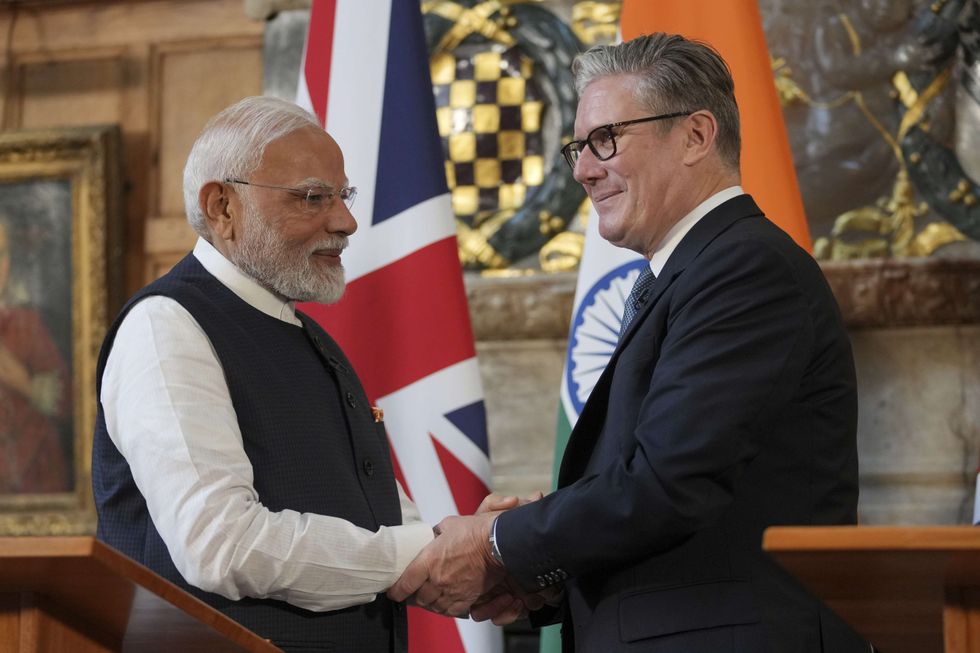 Prime Minister Modi at ChequersGetty Images
At the centre of the agreement is a broad reduction in tariffs. Around 99 per cent of Indian exports are set to enter the UK market at zero duty, covering key sectors such as textiles, footwear, gems and jewellery, sports goods and toys.
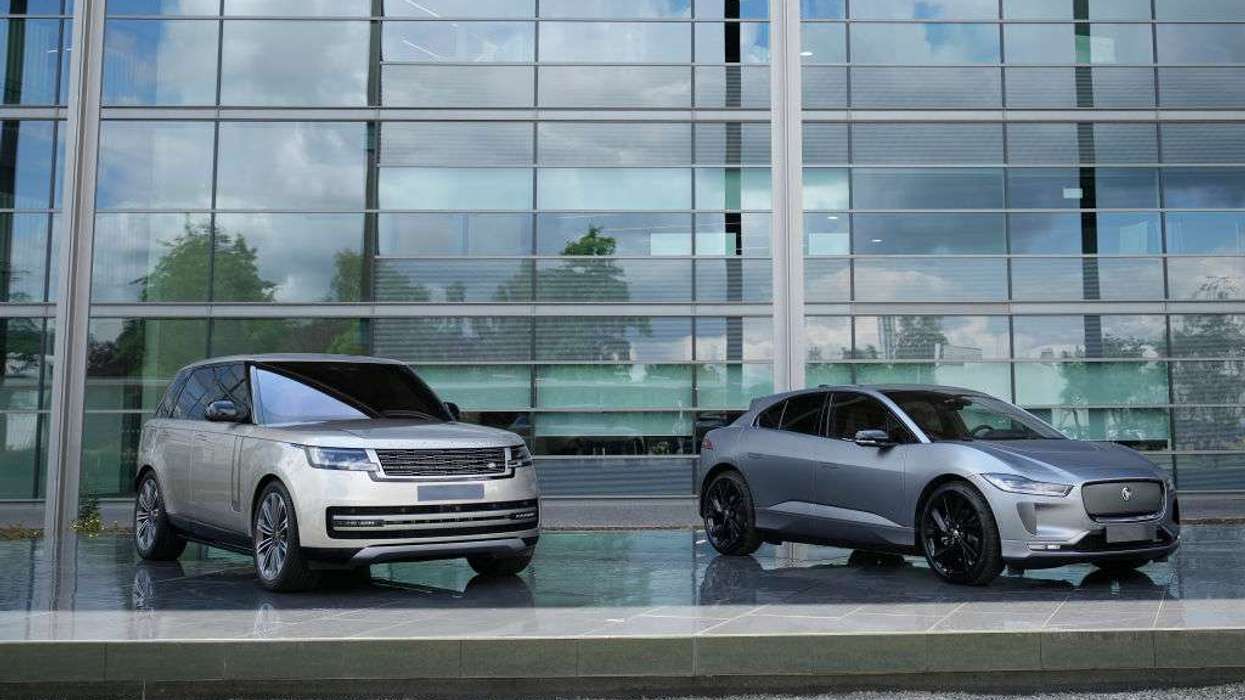
In return, India will reduce tariffs on several British goods. Duties on Scotch whisky, currently as high as 150 per cent, will be cut to 75 per cent immediately and then gradually reduced to 40 per cent by 2035. Import duties on automobiles will also come down to 10 per cent over five years, from levels that currently go up to 110 per cent, under a quota-based system.
The agreement also opens up opportunities for British consumer goods such as chocolates, biscuits and cosmetics in the Indian market, where demand has been steadily growing.
Higher trade targets
The broader aim of the agreement is to increase bilateral trade, which currently stands at around £44 billion ($56 billion). The target is to double this figure by 2030, although how quickly this translates into real gains for businesses will depend on implementation and market response.
For Indian manufacturers, the deal provides access to the UK market for electric and hybrid vehicles within a quota framework, potentially opening up a new segment for exports. On the UK side, reduced tariffs are expected to make certain premium products more competitive in India, though pricing and consumer demand will play a key role.
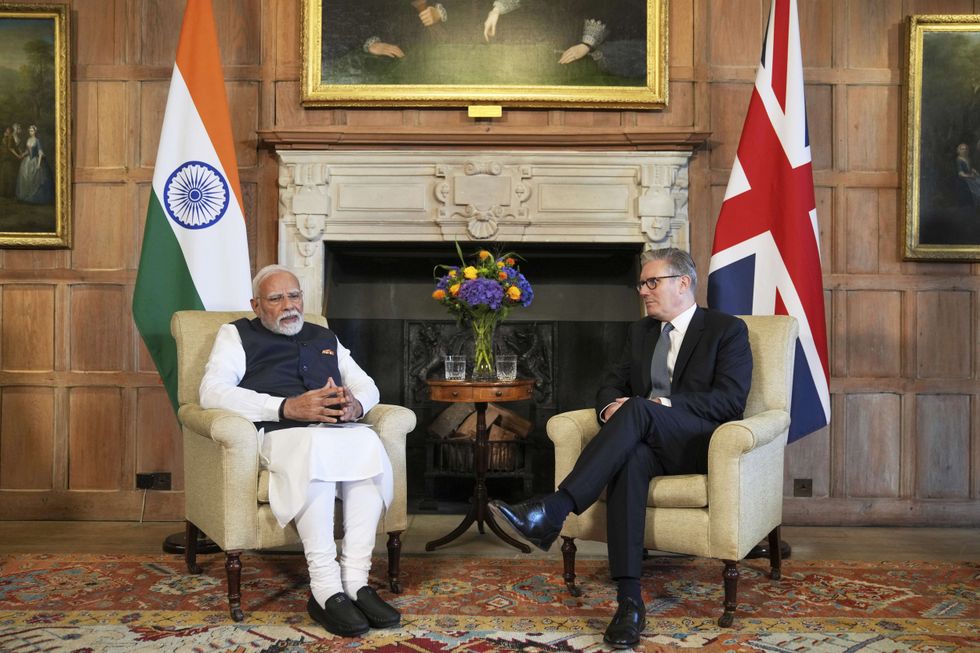 Prime Minister Modi at ChequersGetty Images
Alongside trade, the Double Contributions Convention aims to address a long-standing issue faced by temporary workers. The agreement is expected to ensure that professionals moving between the two countries do not have to pay social security contributions in both jurisdictions.
Officials indicate that both agreements are likely to be implemented together, creating a more coordinated framework for trade and labour movement.
An official reportedly said that the rollout is expected from the second week of May, although final timelines may depend on procedural clearances.
While the agreement outlines clear tariff reductions and market access commitments, its real impact will likely become visible over time. For now, businesses on both sides may be preparing for a shift that could gradually change pricing, competition and trade patterns between India and the UK.