
THE Bank of England’s (BoE) actions to tame inflation have just begun to impact households and the effects will be felt to a greater extent next year, a policymaker said on Tuesday (17).
Last month, the central bank froze interest rates at 5.25 per cent following a surprise slowdown in inflation.
Its decision to hold borrowing costs at the top-most level in more than 15 years followed 14 straight hikes after global inflation soared to the highest levels in decades.
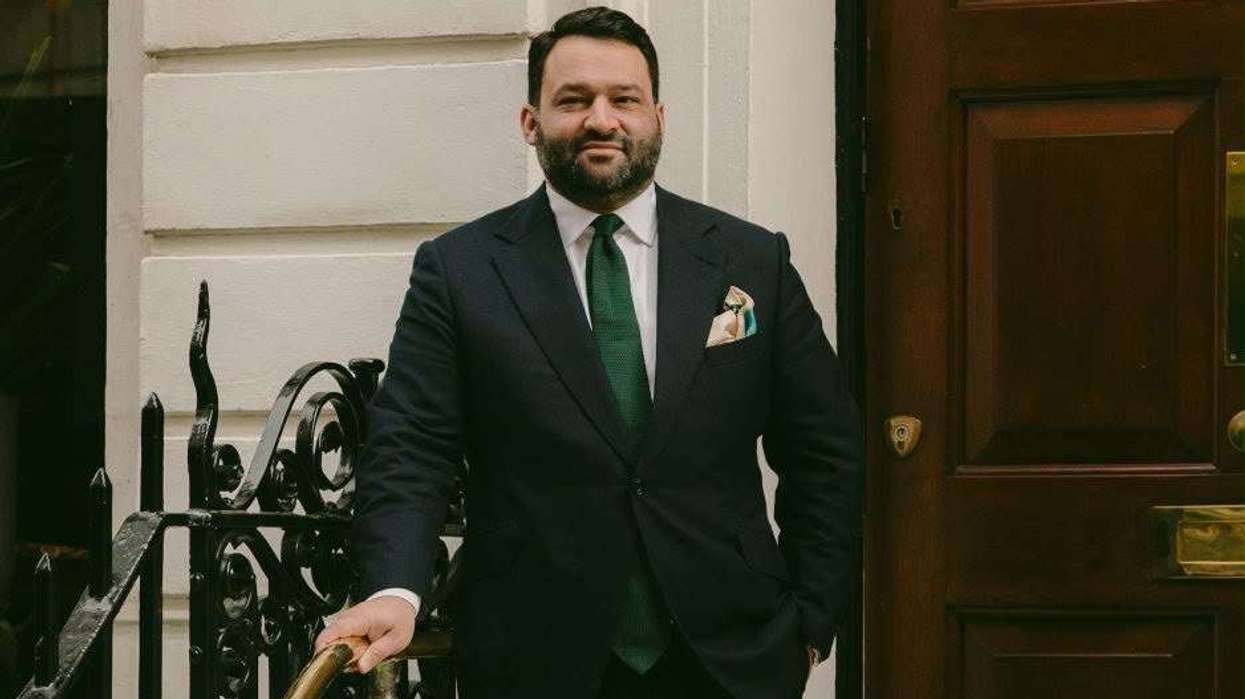
Dr Swati Dhingra (right), a BoE’s Monetary Policy Committee member, said interest rates were expected to remain high for some time and this would affect millions of households – mostly young and poor – next year.
“We think only about 20 per cent or 25 per cent of the impact of the interest rate hikes have been fed through to the economy,” she told the BBC.
“I think there’s also this worry that might mean we’re going to have to pay a higher cost than we should be paying.”
Britain’s economy expanded in August by 0.2 per cent, up from a contraction of 0.6 per cent in July, Office for National Statistics (ONS) data showed. But the economy “has already flatlined”, according to Dhingra.
She said high food and energy costs disproportionately affected low-income groups, while the increase in mortgage costs and rents hit young people, the groups who are among the hardest hit by inflation.
The GDP growth in August was too small to avert a recession, Dhingra said. “When you’re growing as slowly as we’re growing now, the chances of recession or not recession are going to be pretty equally balanced. So we should be prepared for that … it’s not going to be great times ahead,” she added.
Last week, the central bank noted that the outlook for global economic growth remained “weak in the near term”. It warned that interest rates “may need to rise further” in order to control stubborn inflation levels.