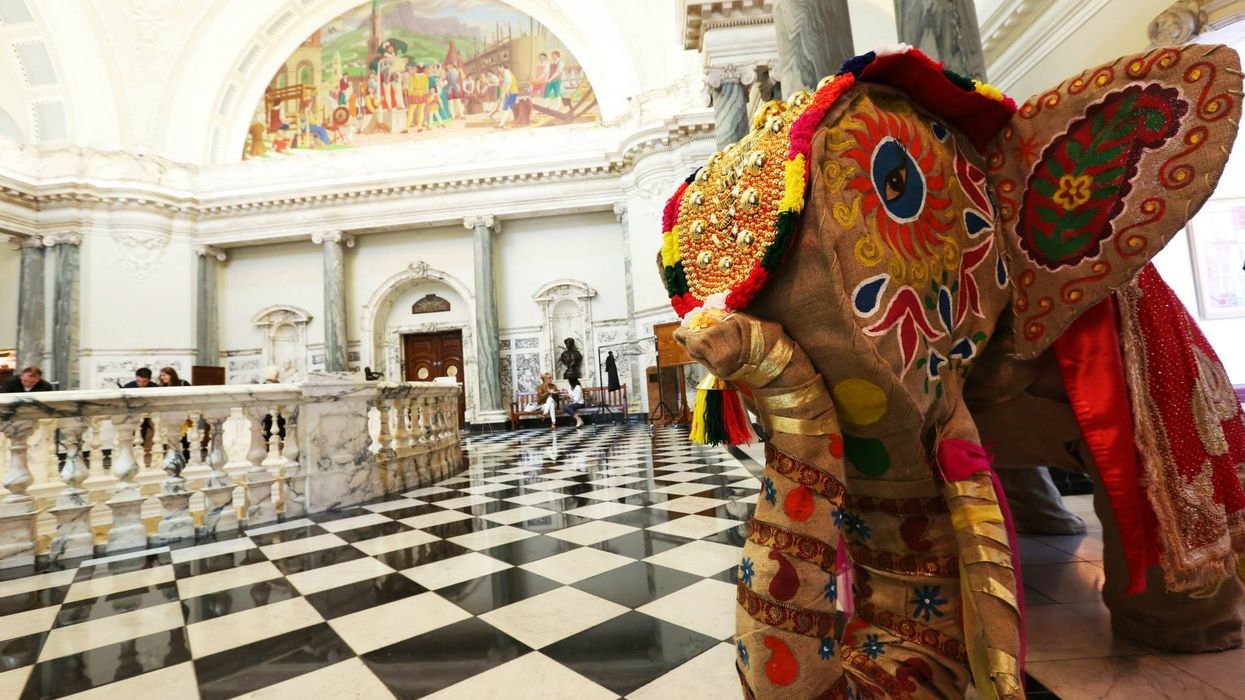

THE history and contribution of Belfast’s Indian community will be celebrated in the first of the city council’s Peace IV Culture Cafe events next week.
The Culture Cafe has been set up to celebrate the diversity of multi-cultural Belfast, and the first of these free, virtual events will take place on Monday (29) from 12 noon to 1pm.
The city’s Indian Community Centre will be taking part, with a discussion on the Indian community’s journey to the city, integration into the city and contribution to the wider Belfast community.
The event is being held during Holi, the Indian festival of colours, and will look at Indian traditions and how the event will be celebrated in Belfast.
There will be a special showcase of Indian dance by the South Asian Dance Academy and a demonstration of Rangoli art – a popular Indian art form used during cultural celebrations.
The Peace IV Programme was set up by the European Union in 1995 to support peace and reconciliation. NI and the border counties of the Republic of Ireland have got more than €3bn in EU peace projects since the programme began.
Despite Brexit, the EU has committed to fund projects here until 2027, with the new Peace Plus programme.
Two other virtual Culture Cafes have also been planned for the coming months – a Polish Community event to be held on on May 11 and a Chinese Community event on June 16, both events to be held from 12pm–1pm.
To register to join the free event on Monday (March 29), visit the Council website.
(Local Democracy Reporting Service)