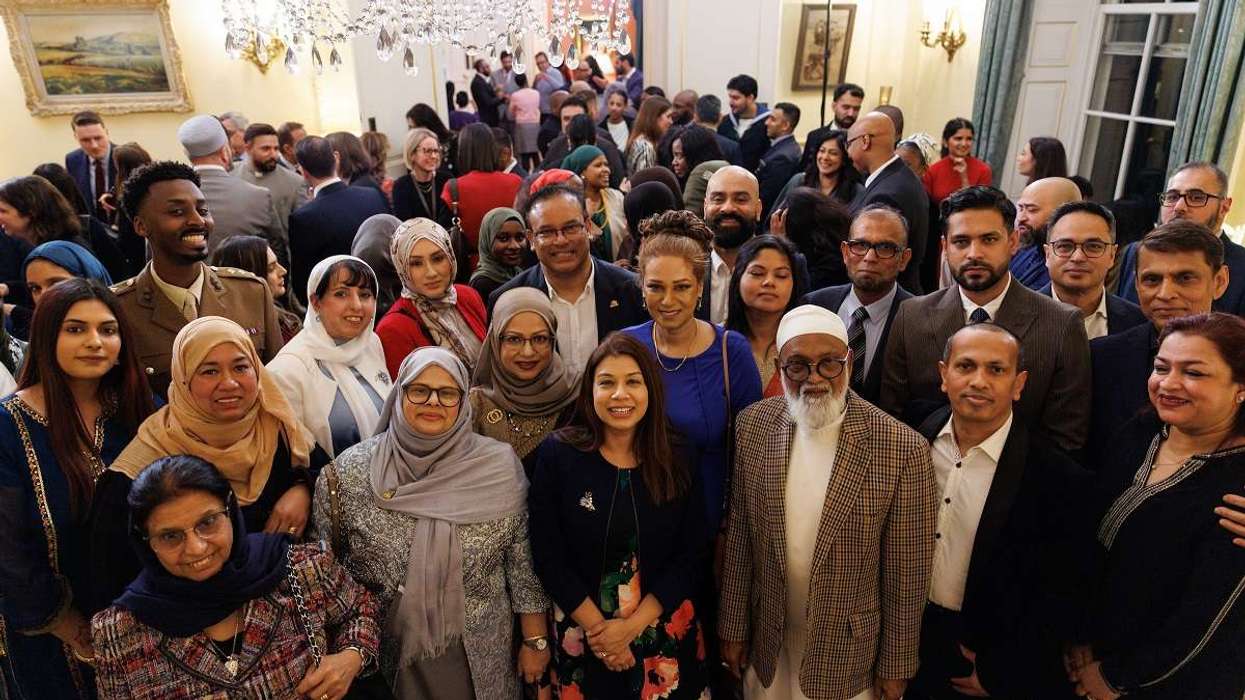

THIS year, as the start of Lent and Ramadan has aligned, there’s also a powerful reminder that many of us are striving towards similar goals in our communities. This Ramadan, communities came together with intention, compassion and a renewed sense of purpose. At a time when unity can feel fragile, this offered a chance to strengthen the relationships that hold our communities together and celebrate British diversity in all its colour and beauty.
As a British Muslim, my Britishness and faith exist in tandem; informing and strengthening my passion to serve my constituents and my country. I am aware there are some people who would say that Islam and “Britishness” are at odds. But I disagree: our identities are not in competition, they complement each other. I am the politician I am today because of, not in spite of, my identity as a British Muslim woman; fully committed to ensuring everyone has the right to flourish, no matter their background.
In the modern, diverse, vibrant Britain we love, we need to acknowledge that people exist with multiple layers to their identity, if we want everyone to feel they belong and can contribute authentically. To ignore one part of them is to not see them for who they really are.
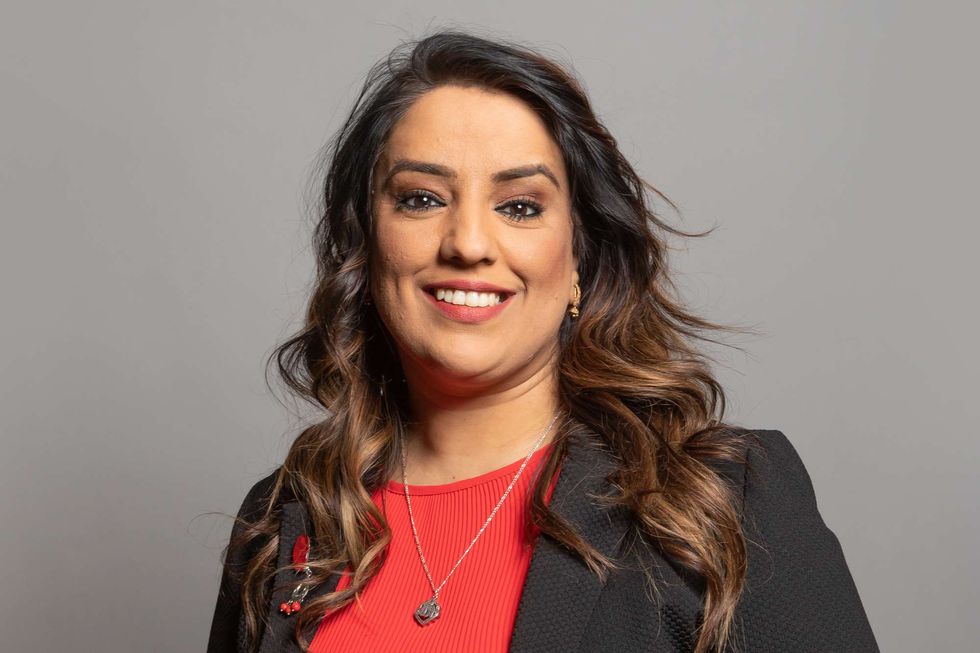 Naz Shah.
Today, multiculturalism and religious tolerance are being threatened in ways I had hoped we would never see again. I have been deeply troubled by the rise of political polarisation and religious hatred, including anti- Muslim hatred in recent years. The past year saw a record number of anti-Muslim hate crimes reported to the police. Too many people feel scared. Too many people feel animosity towards a neighbour they don’t even know.
This isn’t just a local issue, there are many layers to this crisis that need to be addressed. That’s why I’m glad the government’s new social cohesion plan has pledged support for a British Muslim helpline to report hate incidents and access support, as well as investing £5.8 billion in measures to strengthen social cohesion at the local level, working with local authorities to build more resilient communities. At a more national level, increased civil service training to better understand and respond to anti- Muslim hostility will help tackle some of more institutional issues.
Attending the ‘Big Iftar’ in parliament this year brought home a simple, but powerful truth: despite the differences in our faiths, festivals and practices, we have more in common. We share a commitment to truth, mercy and hope.
As Muslims, Ramadan is not just reflective; it is active. Fasting sharpens our awareness of the inequality around us and reminds us of the hardship many face. We are encouraged to give to charity, to recognise our shared social responsibility and to recommit to one another. Inclusive communities do not come about by accident. They are built by many people, through fairness, generosity and a sustained commitment to looking out for each other.
A just and fair country cannot ignore the impact of discrimination on certain groups, nor minimise the experiences of those who feel unwelcome, unsafe or unseen. If we are to tackle the rising tide of hatred and division, we must step out of our silos and invest in genuine cross-community dialogue. We must build bridges, not walls, not because it is easy, but because it is necessary.
The diversity of modern Britain is not a problem to be managed. It is a strength to be celebrated. And it is only by seeing one another fully – in all the richness of who we are – that we can build the country we all want to live in.