
Skip to content
Search

Latest Stories

Submit Guest Post

Essar Group plans £4.3 billion investment in UK energy transition projects by 2035

The company said its £4.3 billion investment pipeline will support the UK's energy transition.

Essar

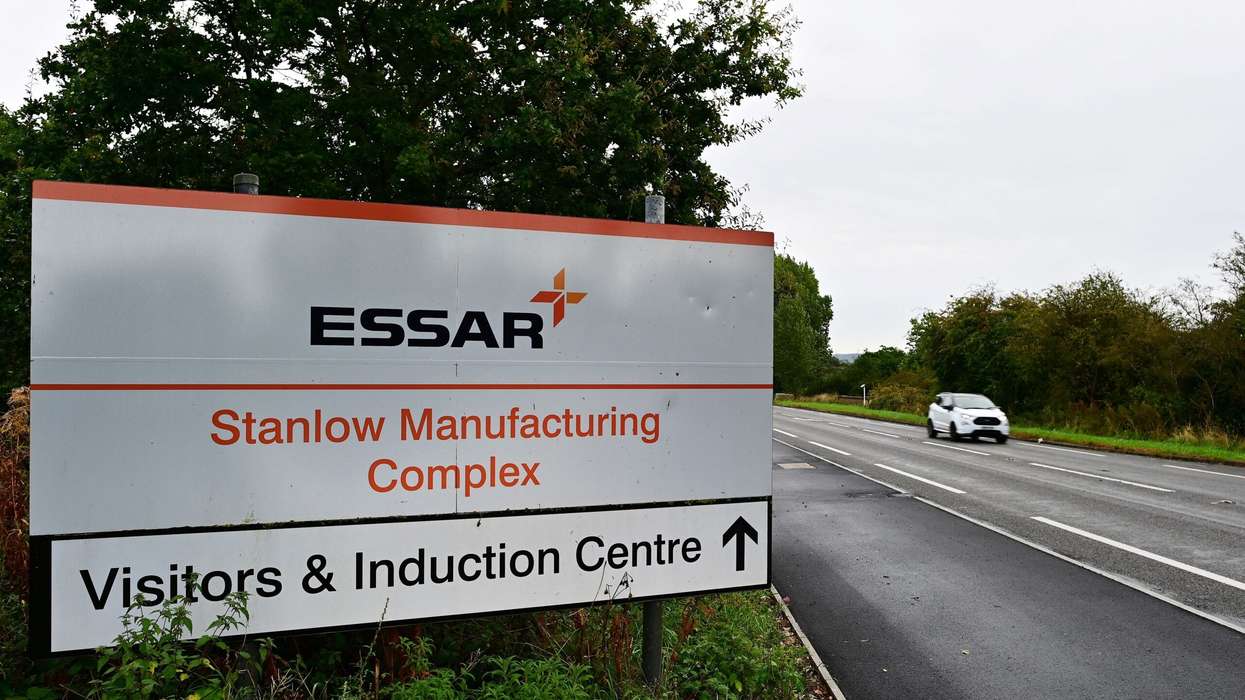
More than £1 billion of the planned investment is nearing a final investment decision to transform Stanlow into an energy transition hub.

AFP via Getty Images

INDIA's Essar Group plans to invest £4.3 billion ($5.79 billion) in low-carbon energy transition projects in the UK by 2035, the company said in a statement on Monday.

The investment will be made through Essar Energy Transition Fuels (EETF), a unit of Essar Group, which operates the 200,000-barrels-per-day Stanlow refinery.


The company said its £4.3 billion investment pipeline will support the UK's energy transition.

More than £1 billion of the planned investment is nearing a final investment decision to transform Stanlow into an energy transition hub.

"The £4.3-billion investment pipeline will support the UK's energy transition, generating massive long-term economic value, and creating thousands of highly skilled jobs," said Prashant Ruia, Chairman of EETF.

Essar is also expanding its retail network in the UK and aims to supply fuels to 800 new locations.

In addition, the company is exploring the construction of data centres near the Stanlow project.

(With inputs from Reuters)

Add EasternEye As Your Trusted Source
preferred source on google news

More For You

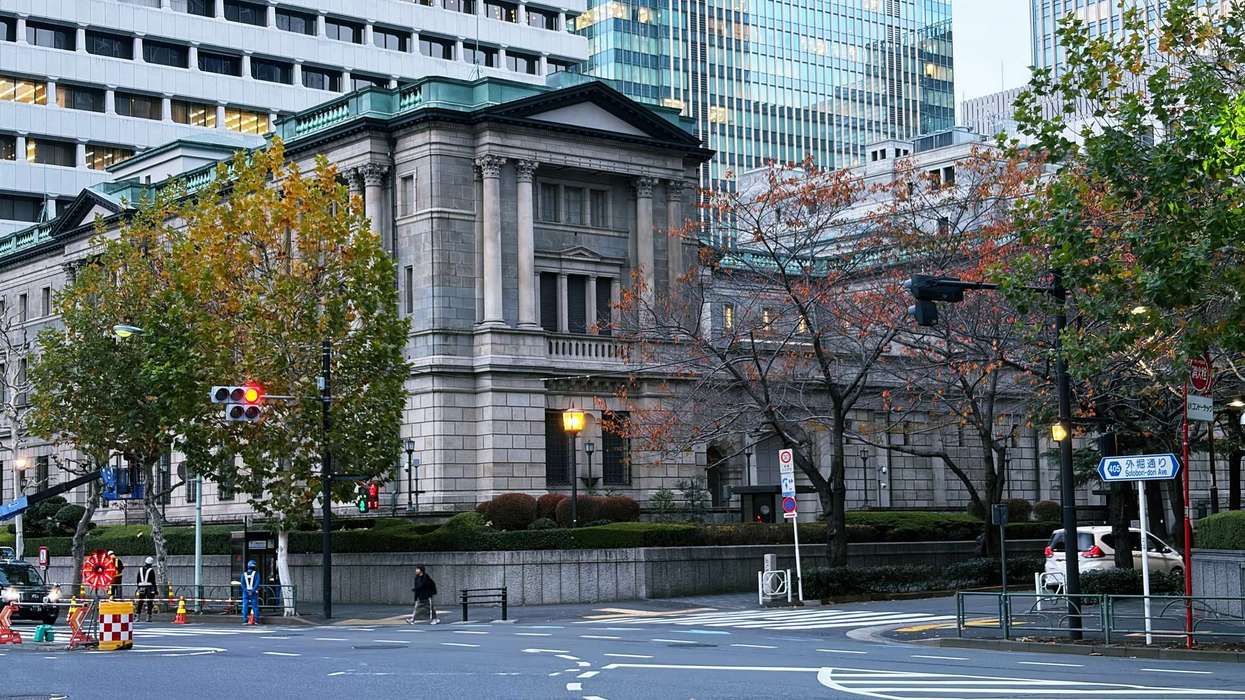
Bank of Japan

Japan’s central bank is trying to keep inflation under control while gradually moving away from decades of ultra-low interest rates.

iStock

What is Japan trying to fix by taking interest rates to a 31-year high?

  • Japan’s policy rate has reached 1.25 per cent, its highest level in 31 years.
  • The BOJ is increasingly focused on preventing inflation from moving above its 2 per cent target.
  • The weak yen, higher energy costs and pressure on borrowing costs could complicate the next phase of rate hikes.

The Bank of Japan (BOJ) raised its policy rate by 25 basis points to 1.25 per cent on Friday (18), taking it to its highest level since 1995. The seven-to-two decision was widely expected, but the speed of the move shows that the central bank is becoming less willing to wait for inflation pressures to build further.

The latest increase came only three months after the previous one, making it the shortest gap between rate increases during governor Kazuo Ueda’s tenure. Board members Toichiro Asada and Ayano Sato opposed the move, arguing that economic and price conditions did not yet justify another increase.

Keep ReadingShow less