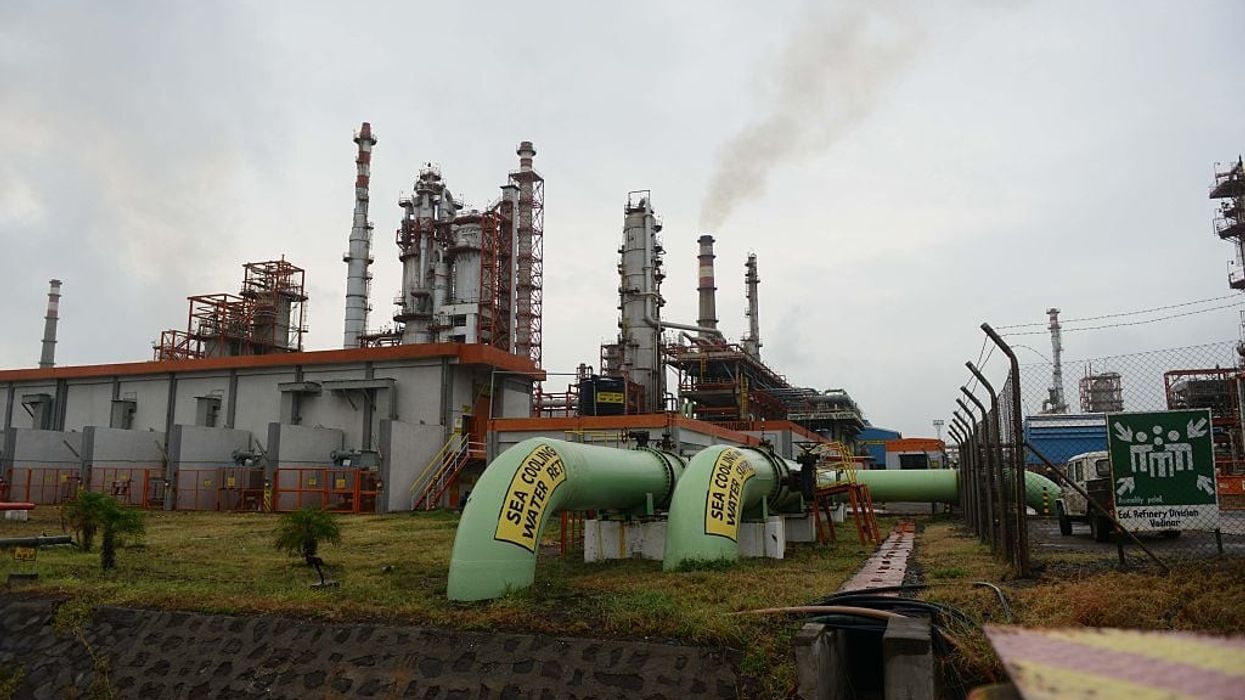

ESSAR Oil (UK) Ltd, the firm that owns and operates the Stanlow refinery in the UK, on Friday (30) announced the setting up of the company’s first advisory council.
“The new four-person council comprises highly experienced senior leaders from across the legal, financial and diplomatic sectors. The group will be responsible for advising the EOUK Board on a host of strategic themes, with particular focus on commercial risk management and corporate finance matters,” it said in a statement.
The council will feature barrister Sue Preverzer QC, former president of BHP Billiton Europe John Grant, corporate financier Richard Heald OBE and former Essar Capital managing director Sanjay Mehta.
“The announcement represents another key milestone in the company’s ongoing programme of embedding a best-in-class corporate governance and strategic leadership framework, at a time when EOUK looks to accelerate its growth ambitions and continue its transformation into a ‘low carbon energy provider’ of the future, working to build the UK's green economy,” the statement added.
Besides creating the advisory council, EOUK has also declared appointing Andrew Wright as the non-executive director. Wright is a qualified solicitor of England and Wales with over 20 years of legal and commercial experience.
EOUK chairman Prashant Ruia said: “EOUK made a clear commitment to building an industry-leading corporate governance and executive advisory regime. We continue to deliver upon that promise.”
Stanlow annually produces over 16 per cent of the UK’s road transport fuels, while playing a key role in Britain’s broader petrochemical industry.
Since acquiring Stanlow in 2011, Essar has invested $1 billion in margin improvement and other efficiency initiatives to ensure the refinery remains competitive in a rapidly changing market.