
Highlights
- British artist David Hockney has died at the age of 88
- Best known for his California swimming pool paintings and groundbreaking portraits
- His career spanned more than six decades and embraced both traditional and digital art
- Hockney challenged artistic conventions while becoming one of Britain's most influential cultural figures
From Bradford roots to global acclaim
David Hockney, one of Britain's most celebrated and influential artists, has died aged 88.
Born in Bradford in 1937, Hockney emerged from a working-class family and showed artistic promise from an early age. After studying at Bradford College, he gained wider recognition at London's Royal College of Art, where his talent was matched by a willingness to challenge convention.
Even as a student, Hockney resisted established norms. His refusal to follow certain academic requirements nearly cost him his diploma, but the institution ultimately recognised the originality of his work and awarded him his qualification.
During the 1960s, he became a leading figure in British pop art, developing a distinctive visual language that would make him one of the defining artists of his generation.
The artist who changed how people saw the world
Hockney's fame grew through paintings that captured the atmosphere of Los Angeles, particularly works featuring swimming pools, bright light and emotional undercurrents beneath seemingly idyllic scenes.
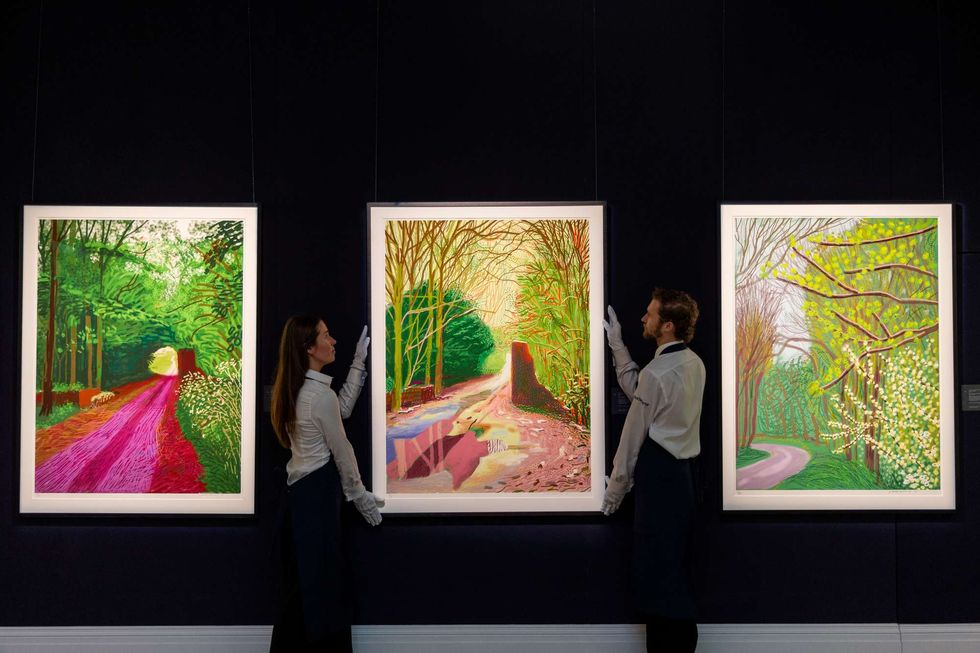 Even as a student, Hockney resisted established normsGetty Images
Paintings such as A Bigger Splash and Portrait of an Artist (Pool With Two Figures) became some of the most recognisable images in modern art. The latter sold for $90.3 million (£70.2m) in 2018, setting a record at the time for a living artist.
His work, however, extended far beyond California landscapes. Hockney explored portraiture, photography, collage and landscape painting, continually experimenting with perspective and visual storytelling.
Openly depicting gay relationships in his art at a time when homosexuality remained illegal in Britain, he also helped broaden the scope of what contemporary art could address.
A lifelong innovator
Throughout his career, Hockney embraced new technology as readily as paint and canvas. He worked with photocopiers, fax machines, printers and later the iPad, creating digital artworks that demonstrated his enduring curiosity and creativity.
His interests also extended to opera and ballet, where he designed sets and costumes, while his book Secret Knowledge sparked debate by challenging accepted theories about how Old Masters created their paintings.
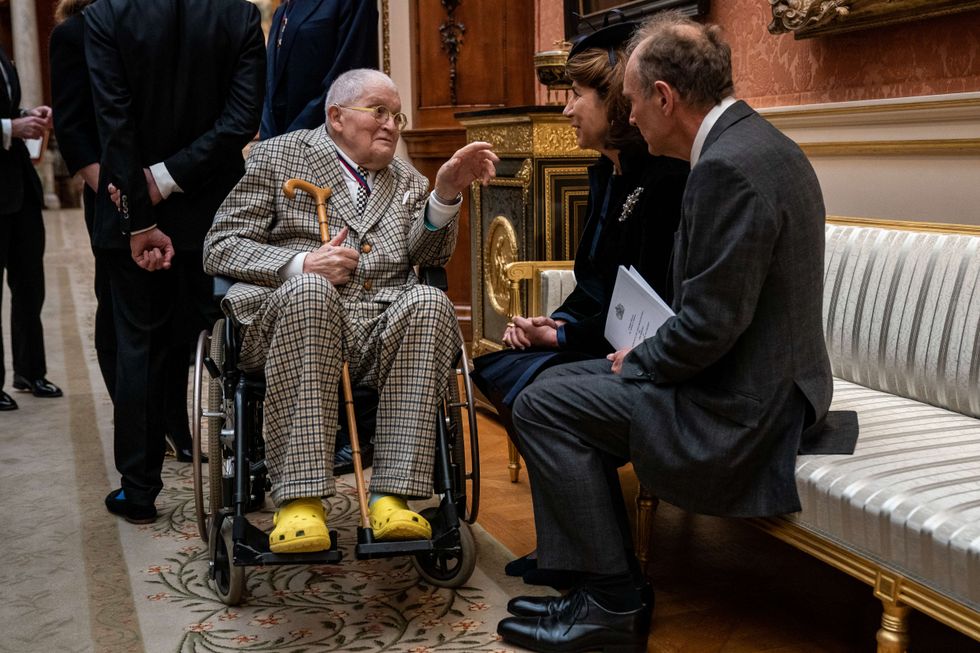 He reportedly declined a knighthood on several occasions and once turned down a request to paint a portrait of Queen Elizabeth IIGetty Images
Despite suffering a stroke in 2012 and enduring personal tragedy, including the death of assistant Dominic Elliott in 2013, Hockney continued to work and exhibit.
Known for his independent spirit, he reportedly declined a knighthood on several occasions and once turned down a request to paint a portrait of Queen Elizabeth II.
For more than 60 years, Hockney remained committed to looking at the world differently and encouraging others to do the same. His death marks the end of an extraordinary artistic career that helped redefine modern British art.