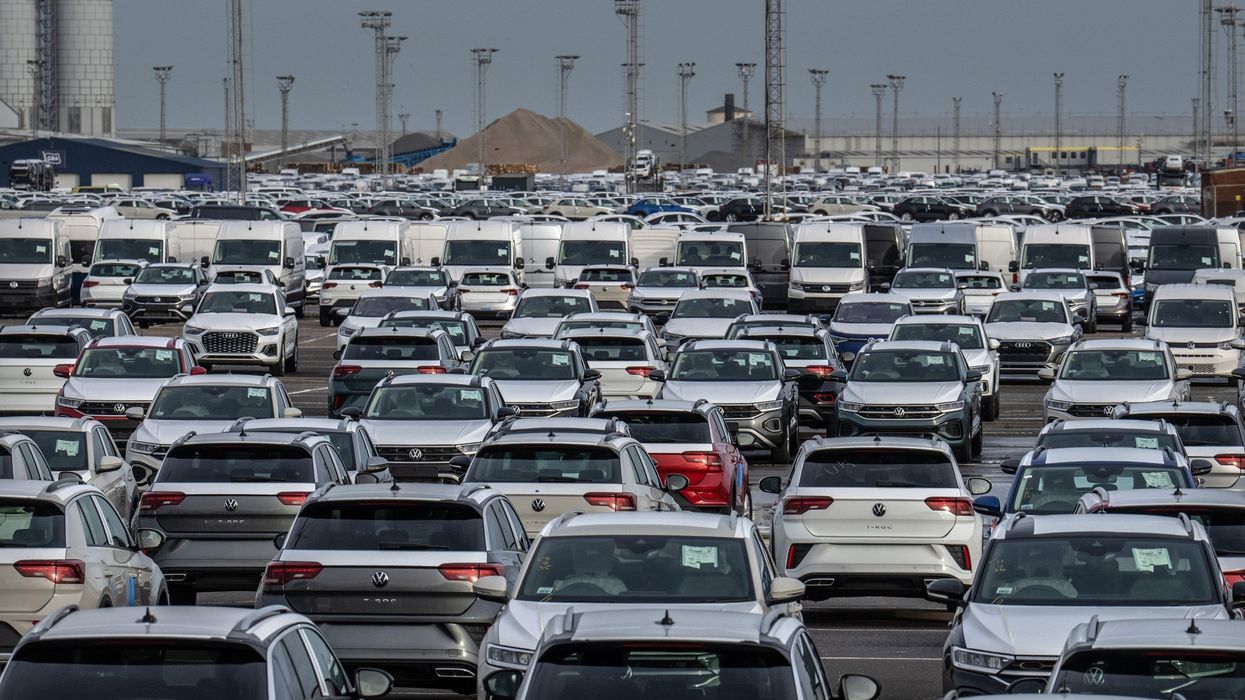

The UK automakers industry on Wednesday (18) warned that they would soon face a detrimental 10-per cent increase in customs duties on electric cars crossing the Channel.
Britain left the European Union in early 2021 after clinching a last-gasp free trade agreement that removed tariffs on cars.
But under the deal's "rules of origin" condition for goods crossing the border, from January 1, 2024, at least 45 per cent of the value of vehicle parts must originate from Britain or the European Union to be exempt from customs duties.
This could add £3,600 ($4,385) to the cost of each UK-made cars sold in Europe, and almost as much to European vehicles heading the other way, industry body the Society of Motor Manufacturers and Traders (SMMT) said in a statement.
"We've been raising this for a number of months now, that the rules of origin are a major threat," SMMT chief executive Mike Hawes told AFP.
He added that the UK "is an important market for European manufacturers and the EU is our number one market for UK exporters".
Electric car batteries often originate from China, despite UK efforts to establish its own gigafactories to produce them, and they therefore represent a significant chunk of the sale price.
The customs hike "just makes those products uncompetitive" as it is "a big additional cost to bear", Hawes added.
"Some... people will just say, actually, it is too much, too expensive, I'll just buy another petrol, diesel or keep the one I've got, and then that undermines your ability to reduce carbon emissions."
In late September, the EU's internal market chief Thierry Breton dampened car industry hopes for a postponement in the new customs rules, noting that "what has been negotiated has been negotiated".
The SMMT is nevertheless hopeful that a delay can be hammered out between London and Brussels, and wants custom hikes to be postponed to 2027.
"There is a huge amount of investment going into European and UK battery manufacturing, but you can't magic up the sufficient number of batteries in 12 months. It is going to take two or three years," noted Hawes on Wednesday.
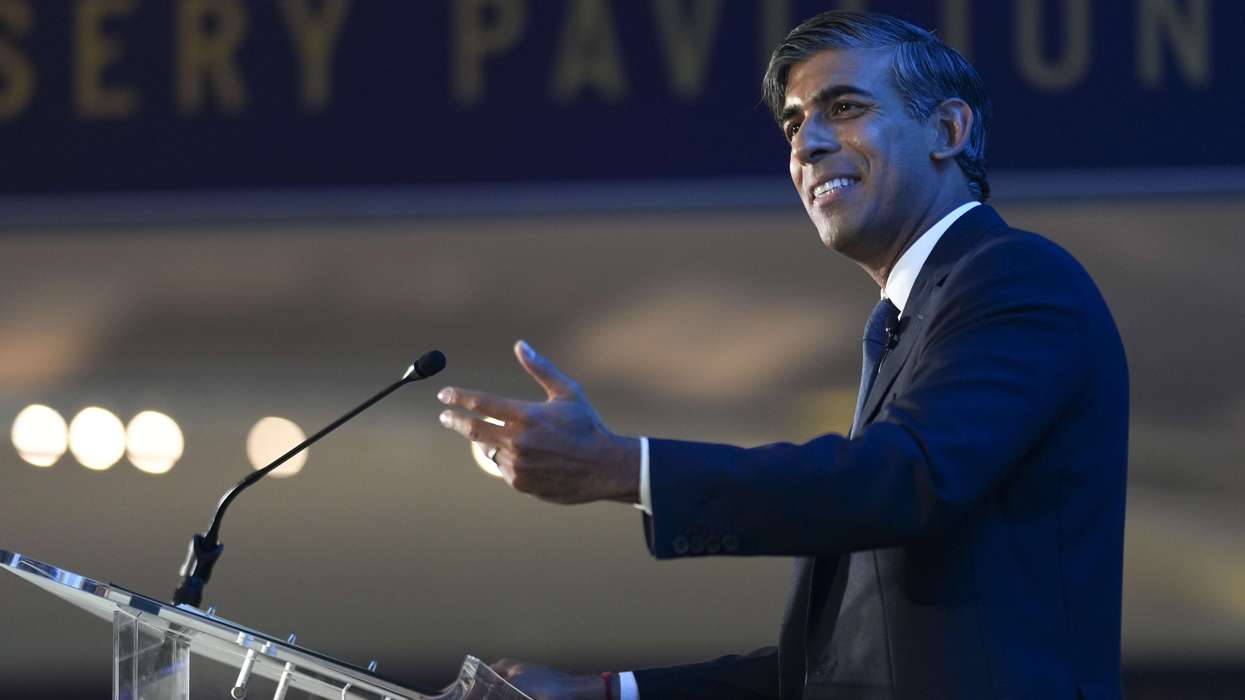
Prime minister Rishi Sunak last month softened policies aimed at achieving net zero carbon emissions by 2050, but insisted he was not slowing down efforts to tackle climate change.
The move included pushing back a ban on the sale of petrol and diesel cars from 2030 to 2035, sparking criticism from opposition lawmakers and environmental campaigners.
It also prompted outcry from the SMMT, which called for clear and consistent messaging from the government for consumers to want to switch to electric cars.
(AFP)