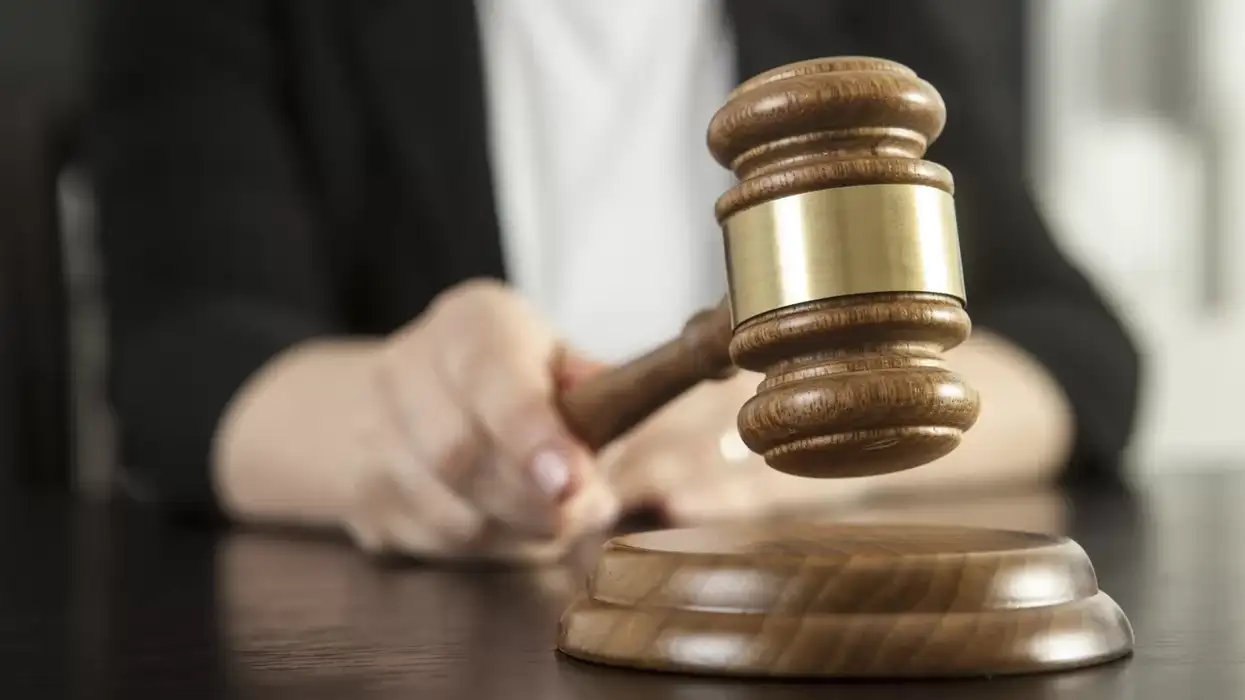

BRITAIN's Supreme Court on Friday(15) ruled that insurers must compensate small businesses forced into last year's initial coronavirus lockdown, potentially a total payout of £1.2 billion ($1.6 billion).
The country's financial watchdog successfully appealed on behalf of the companies, arguing they should be able to claim for the impact of the first UK lockdown last year.
The Financial Conduct Authority (FCA) estimates that a combined £1.2bn could now be paid out.
"It is estimated that, in addition to the particular policies chosen for the test case, some 700 types of policies across over 60 different insurers and 370,000 policyholders could potentially be affected by the outcome of this litigation," said Judge Nicholas Hamblen.
Sheldon Mills, executive director of consumers and competition at the FCA, said its aim throughout the test case had "been to get clarity for as wide a range of parties as possible, as quickly as possible, and today's judgment decisively removes many of the roadblocks to claims by policyholders.
"As we have recognised from the start of this case, tens of thousands of small firms and potentially hundreds of thousands of jobs are relying on this," he added.
The FCA was joined in the appeal by the Hiscox Action Group (HAG), who were up against insurer Hiscox.
"This is a landmark victory for a small group of businesses who took on a huge insurance player and have been fully vindicated," said Richard Leedham of law firm Mishcon de Reya which represented HAG.
"What is important now is that Hiscox accepts the Supreme Court's verdict and starts paying out to its policy holders, many of whom are in danger of going under."
The government welcomed the ruling.
"A very welcome decision by the Supreme Court," tweeted Business Secretary Kwasi Kwarteng.
"This will be a lifeline for tens of thousands of hairdressers, bars, restaurants and other small businesses that did the right thing and closed their doors to protect the health of the nation."
Huw Evans, director general of the Association of British Insurers, said it welcomes "the clarity that the judgment will bring to a number of complex issues.
"We recognise this has been a particularly difficult time for many small businesses and naturally regret the Covid-19 restrictions have led to disputes with some customers," he added.
Much of the UK is now under a new strict lockdown, with economists warning of a double-dip recession for the country.