
Highlights
- Profits rise three times to £108.3 million.
- £50 million investment in British farming planned.
- Iran conflict could push up energy prices.
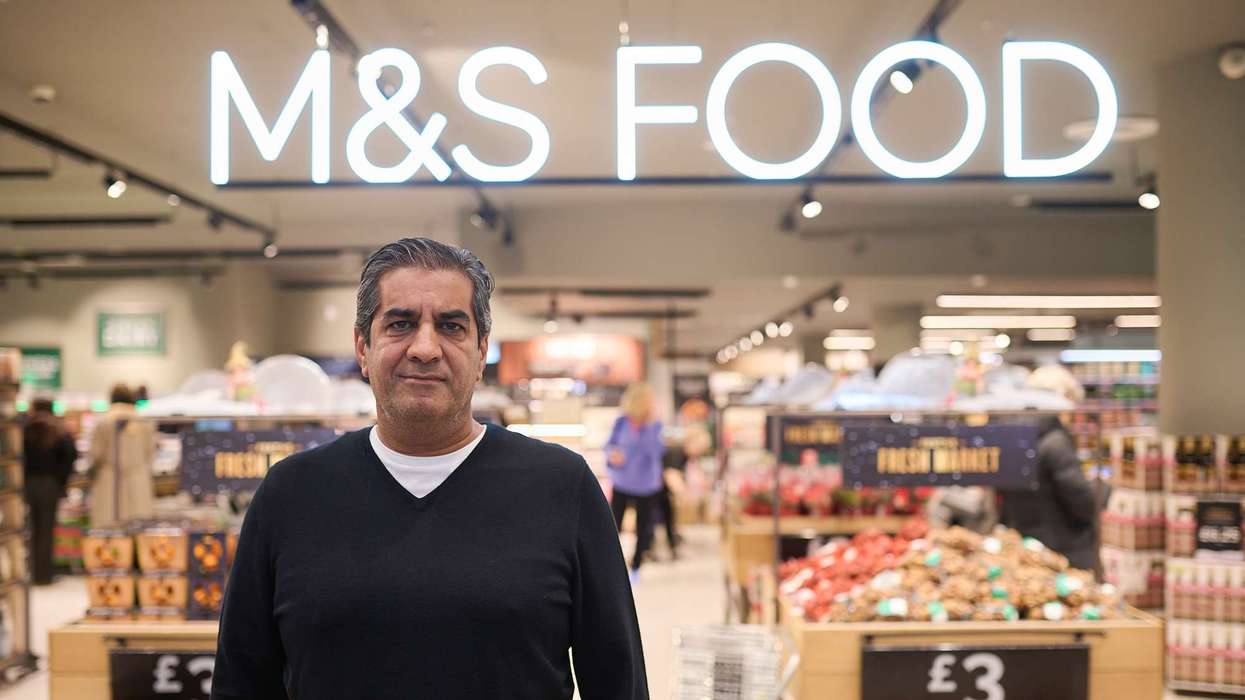
Boparan Holdings reported profits of £108.3 million for the year ending July 2025. This is three times higher than the £35.5 million it made the year before.
The firm supplies chicken to big supermarkets like Marks & Spencer and the Co-op. Its total sales also grew by 8.5 percent to £2.38 billion.
Ranjit Singh Boparan, who runs the company and is known as "The Chicken King," told The Standard that the results show his business plan is working well.
"These results demonstrate how our next generation strategy has continued to gain momentum during the past 12 months as we transform our business," he added.
The company also said it is investing in its factories and using new technology to help the business grow while meeting environmental goals.
Part of the good performance came from selling the European side of 2 Sisters to Boparan's private family business in 2024. This helped reduce how much money the company owes.
Challenges lie ahead
While the numbers look good, Boparan Holdings says it is only "cautiously optimistic" about the future.
The company pointed to several problems it cannot control. The war in the Middle East is the biggest worry. This conflict could make energy prices go up, which would cost the company more money to run its factories.
Government rules are also creating difficulties. Officials are making plans in case there are shortages of carbon dioxide, which the food industry needs for packaging and keeping food fresh.
The company also mentioned that Britain does not have enough farm space. It wants to work more closely with the government and local councils to fix planning problems that affect food security.
Boparan noted that many families are still struggling with the high cost of living. However, this might actually help the business because more people will cook at home instead of eating out or buying ready meals.
The company is also putting money into green projects. One big plan is to change what it feeds its chickens. Instead of using imported soyameal, it will use oilseed rape and beans grown in Britain.
This change will put about £50 million into British farming. It will also help Britain produce more of its own food instead of relying on imports.